
In an era where portable electronics and electric vehicles are becoming increasingly prevalent, the demand for reliable and durable power sources has surged. Among these, waterproof battery packs have emerged as a critical component in various applications, ranging from consumer electronics to industrial machinery. These battery packs are designed to withstand exposure to moisture, dust, and other environmental factors that could compromise their performance and longevity.
The integration of waterproofing technologies into battery design not only enhances the reliability of the devices they power but also expands their usability in challenging environments. Waterproof battery packs are particularly essential in sectors such as outdoor recreation, marine applications, and even in medical devices where exposure to liquids is a significant concern. For instance, a waterproof battery pack used in a marine GPS device must endure harsh conditions, including saltwater exposure and extreme humidity.
Similarly, in the realm of consumer electronics, waterproof battery packs are crucial for devices like smartphones and smartwatches that are frequently exposed to water and sweat. As technology continues to evolve, the need for innovative solutions to enhance the durability and functionality of battery packs has never been more pressing.
Key Takeaways
- Waterproofing battery packs is crucial to protect against moisture damage and ensure reliability.
- Achieving effective waterproofing presents challenges such as maintaining battery performance and durability.
- Polyurethane casting offers a robust solution by encapsulating battery packs to prevent water ingress.
- This method enhances battery pack longevity and performance in harsh, wet environments.
- Case studies demonstrate the practical benefits and key factors to consider when selecting polyurethane casting for waterproofing.
Importance of Waterproofing Battery Packs
The importance of waterproofing battery packs cannot be overstated, especially in applications where exposure to moisture is inevitable. Water ingress can lead to short circuits, corrosion of internal components, and ultimately, battery failure. This not only affects the performance of the device but can also pose safety risks to users.
For example, a compromised battery in a power tool could lead to overheating or even fires, making waterproofing a critical safety feature. Moreover, waterproofing extends the lifespan of battery packs by protecting them from environmental factors that can degrade their materials over time. In outdoor applications, for instance, batteries are often subjected to rain, humidity, and temperature fluctuations.
A waterproof battery pack can resist these elements, ensuring consistent performance and reducing the need for frequent replacements. This not only saves costs for manufacturers and consumers alike but also contributes to sustainability efforts by minimizing electronic waste.
Challenges in Waterproofing Battery Packs
Despite the clear advantages of waterproofing battery packs, several challenges must be addressed during the design and manufacturing processes. One of the primary challenges is achieving a balance between waterproofing and thermal management. Batteries generate heat during operation, and effective cooling is essential to maintain optimal performance.
However, traditional waterproofing methods can create barriers that trap heat, leading to overheating and reduced efficiency. Another significant challenge is the selection of appropriate materials that can withstand both moisture and the chemical properties of the battery itself. Many conventional waterproofing materials may not be compatible with the electrolytes used in batteries, leading to degradation over time.
Additionally, ensuring that seals and enclosures remain intact under various conditions—such as pressure changes during deep-sea applications or vibrations in automotive environments—adds another layer of complexity to the design process.
Benefits of Polyurethane Casting Solution
Polyurethane casting solutions have emerged as a promising method for waterproofing battery packs due to their unique properties. One of the most significant benefits of polyurethane is its excellent flexibility and resilience. Unlike rigid materials that may crack or break under stress, polyurethane can absorb shocks and vibrations without compromising its integrity.
This makes it an ideal choice for applications where batteries are subjected to physical impacts or movement. Furthermore, polyurethane exhibits outstanding chemical resistance, which is crucial for protecting batteries from potential leaks or spills of corrosive substances. Its ability to form a seamless barrier around battery components ensures that moisture cannot penetrate while allowing for effective thermal management.
This combination of flexibility, chemical resistance, and thermal stability positions polyurethane casting as a superior solution for creating durable and reliable waterproof battery packs.
How Polyurethane Casting Solution Works
| Metric | Value | Unit | Notes |
|---|---|---|---|
| Waterproof Rating | IP68 | – | Fully dust-tight and protected against continuous immersion |
| Polyurethane Casting Thickness | 3 | mm | Typical thickness for effective waterproofing |
| Battery Capacity | 10000 | mAh | Standard capacity for portable battery packs |
| Operating Temperature Range | -20 to 60 | °C | Safe operating temperature for battery and polyurethane |
| Weight | 250 | grams | Including polyurethane casing |
| Voltage Output | 5 | Volts | Standard USB output voltage |
| Impact Resistance | 5 | Joules | Energy absorbed without damage |
| Polyurethane Shore Hardness | 85A | – | Typical hardness for durable casting |
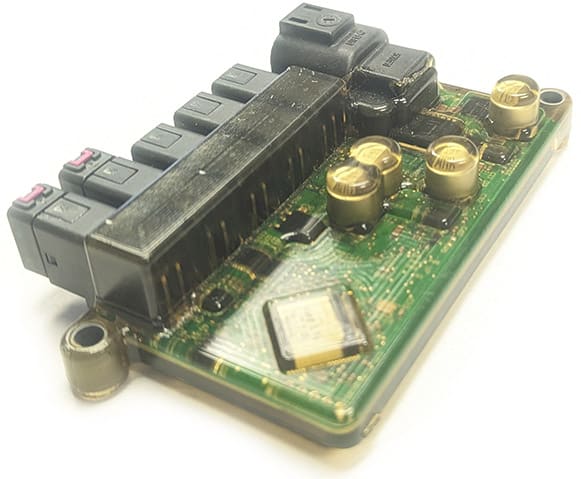
The process of using polyurethane casting for waterproofing battery packs involves several key steps that ensure comprehensive protection against moisture and environmental factors. Initially, the battery components are prepared by cleaning and possibly pre-treating surfaces to enhance adhesion. Once ready, a liquid polyurethane mixture is poured into a mold that encapsulates the battery pack.
As the polyurethane cures, it undergoes a chemical reaction that transforms it from a liquid into a solid state. This curing process creates a robust protective layer around the battery pack, effectively sealing it from external elements. The resulting encapsulation is not only waterproof but also provides insulation against temperature fluctuations and mechanical shocks.
The versatility of polyurethane allows for customization in terms of thickness and density, enabling manufacturers to tailor the solution according to specific application requirements.
Case Studies of Waterproof Battery Packs with Polyurethane Casting Solution
Several companies have successfully implemented polyurethane casting solutions in their waterproof battery pack designs, showcasing its effectiveness across various industries. One notable example is a manufacturer of underwater drones that required batteries capable of operating at significant depths without succumbing to water pressure or corrosion. By utilizing polyurethane casting, they were able to create battery packs that not only withstood extreme conditions but also maintained optimal performance levels throughout their operational lifespan.
Another case study involves a leading brand in outdoor sports equipment that developed a line of waterproof portable chargers for adventurers and athletes. These chargers needed to be lightweight yet durable enough to handle exposure to rain and mud during outdoor activities. By employing polyurethane casting technology, the company produced battery packs that were not only waterproof but also resistant to impacts from drops or rough handling.
The success of these products in the market has reinforced the viability of polyurethane as a go-to solution for waterproofing battery packs.
Considerations for Choosing Polyurethane Casting Solution
When selecting a polyurethane casting solution for waterproofing battery packs, several factors must be taken into account to ensure optimal performance and reliability. First and foremost is the specific application requirements; different environments may necessitate varying levels of waterproofing and chemical resistance. For instance, batteries intended for marine applications may require formulations that can withstand saltwater exposure.
Additionally, manufacturers should consider the curing time and processing conditions associated with different polyurethane formulations. Some may cure quickly at room temperature while others might require elevated temperatures or specific humidity levels for optimal results. Understanding these parameters is crucial for integrating polyurethane casting into existing manufacturing processes without causing delays or complications.
Another important consideration is the environmental impact of the materials used in polyurethane casting. As sustainability becomes an increasingly pressing concern across industries, manufacturers should seek out eco-friendly formulations that minimize harmful emissions during production and disposal. This not only aligns with corporate social responsibility goals but also appeals to environmentally conscious consumers.
Advantages of Using Polyurethane Casting Solution for Waterproof Battery Packs
The advantages of utilizing polyurethane casting solutions for waterproof battery packs are manifold and significant. By providing exceptional flexibility, chemical resistance, and thermal stability, polyurethane emerges as an ideal material for encapsulating batteries in various applications. The ability to create seamless barriers against moisture while allowing for effective heat dissipation ensures that these battery packs can perform reliably even in challenging environments.
Moreover, real-world case studies demonstrate the successful implementation of polyurethane casting in diverse industries, reinforcing its effectiveness as a waterproofing solution. As manufacturers continue to innovate and seek ways to enhance product durability and performance, polyurethane casting stands out as a forward-thinking approach that addresses both current challenges and future demands in battery technology.