Waterproof ratings are essential for anyone looking to invest in gear that can withstand the elements. These ratings are typically expressed in terms of water resistance, measured in millimeters (mm) of water pressure that a fabric can withstand before it begins to leak. For instance, a fabric with a rating of 1,500 mm can resist the pressure of a column of water 1.5 meters high.
This measurement is crucial for determining how suitable a piece of gear is for specific weather conditions. The higher the number, the more water-resistant the material is, making it ideal for heavy rain or prolonged exposure to wet environments. In addition to the mm rating, there are other factors to consider when evaluating waterproof gear.
Breathability is one such factor, which refers to the ability of a fabric to allow moisture vapor from sweat to escape while preventing water from entering. This is particularly important for active pursuits like hiking or cycling, where perspiration can accumulate inside clothing, leading to discomfort and chilling. Manufacturers often use terms like “waterproof-breathable” to describe fabrics that balance these two properties effectively.
Understanding these ratings and characteristics can help consumers make informed decisions about which products will best meet their needs in various outdoor scenarios.
Key Takeaways
- Waterproof ratings help determine the level of protection gear provides against water exposure.
- Selecting appropriate waterproof gear depends on activity type and expected weather conditions.
- Applying waterproof treatments can enhance the water resistance of clothing and footwear.
- Protecting electronics requires specialized waterproof cases or coatings to prevent damage.
- Proper waterproofing is essential for comfort, safety, and equipment longevity in wet environments.
Choosing the Right Waterproof Gear
Selecting the appropriate waterproof gear involves more than just checking the waterproof rating; it requires an understanding of the specific activities you plan to engage in and the environmental conditions you may encounter. For instance, if you are an avid hiker who frequently traverses wet and muddy trails, investing in high-quality waterproof boots with a solid grip and ankle support is crucial. Look for features such as sealed seams and waterproof membranes like Gore-Tex, which enhance durability and comfort while keeping your feet dry.
On the other hand, if your activities lean more towards casual outings or urban environments, you might prioritize lightweight and packable options. A rain jacket with a lower waterproof rating may suffice for light showers, especially if it is designed to be breathable and easy to carry. Additionally, consider the fit and style of the gear; a well-fitted jacket or pants will not only keep you dry but also allow for ease of movement.
Ultimately, the right choice will depend on your personal preferences, the intensity of your activities, and the specific weather conditions you expect to face.
Waterproofing Your Clothing and Footwear

While many outdoor clothing items come with built-in waterproofing features, over time, these can wear down due to regular use and exposure to harsh conditions. To maintain their effectiveness, it is essential to periodically reapply waterproofing treatments. There are various methods available for this purpose, including spray-on treatments and wash-in solutions that can rejuvenate the water-repellent properties of your gear.
For example, products like Nikwax or Granger’s offer specialized treatments designed for different types of fabrics, ensuring that you can find a solution tailored to your specific clothing. Footwear also requires special attention when it comes to waterproofing. Leather boots can be treated with wax or oils that not only provide a barrier against moisture but also condition the material to prevent cracking and deterioration.
Synthetic materials often benefit from sprays that create a protective layer without compromising breathability. It’s important to follow the manufacturer’s instructions for application and drying times to ensure optimal results. Regular maintenance not only extends the life of your gear but also enhances its performance in wet conditions.
Waterproofing Your Electronics and Gadgets
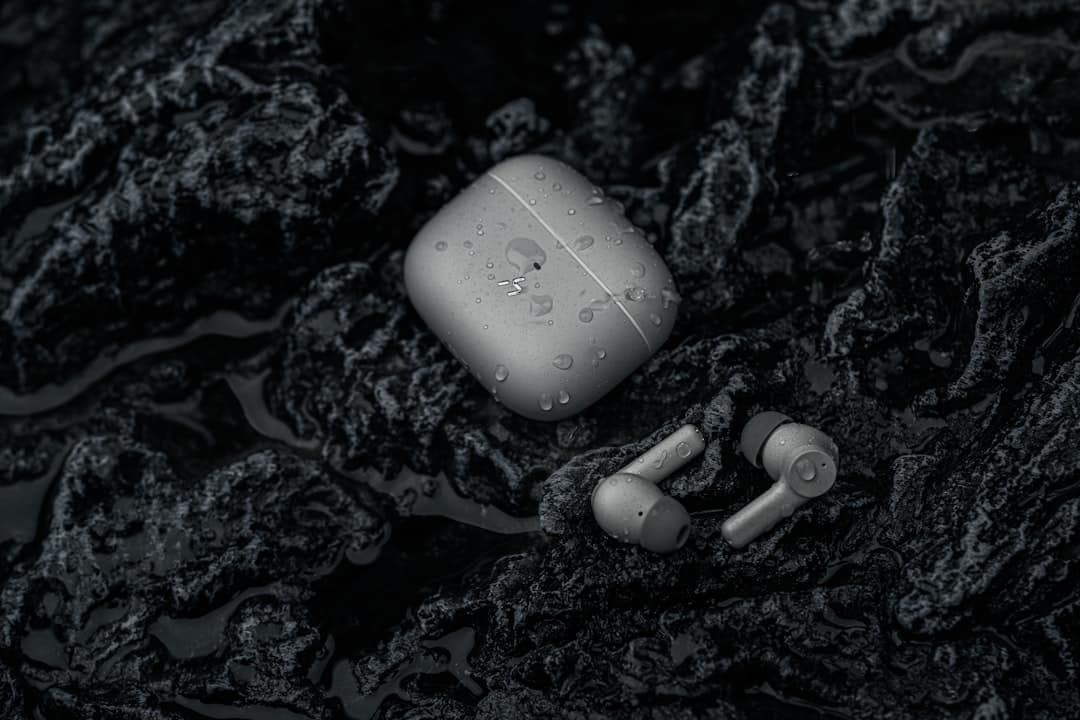
In today’s digital age, protecting electronics from water damage is paramount. Many devices come with some level of water resistance, indicated by an IP (Ingress Protection) rating. For example, an IP67 rating means that a device can withstand immersion in water up to one meter for 30 minutes.
However, this does not guarantee complete protection in all scenarios, especially if the device has been dropped or damaged. To enhance protection, consider investing in waterproof cases or pouches specifically designed for your gadgets. These accessories provide an additional layer of security against accidental spills or exposure to rain.
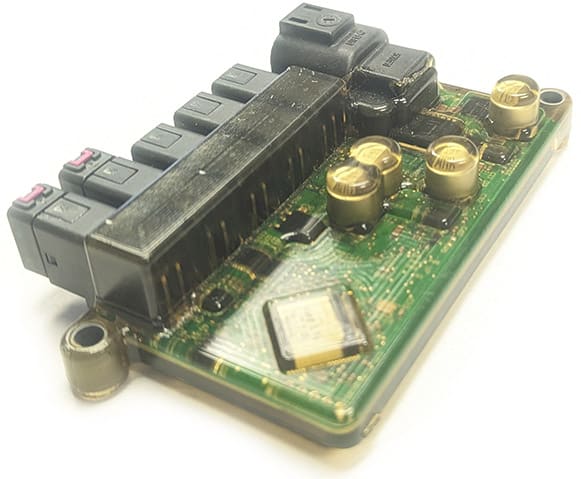
Moreover, there are DIY methods for waterproofing electronics that can be effective in a pinch. For instance, using silicone sealant on vulnerable areas or applying a conformal coating can help protect circuit boards from moisture damage. However, these methods should be approached with caution as they may void warranties or affect functionality if not done correctly.
It’s also wise to keep devices stored in waterproof bags or containers when not in use during outdoor activities, ensuring they remain dry even in unpredictable weather.
Waterproofing Your Camping and Outdoor Equipment
| Waterproof Rating | Description | Common Applications | Test Method |
|---|---|---|---|
| IPX0 | No protection against water | Indoor electronics without water exposure | None |
| IPX4 | Protection against water splashes from any direction | Outdoor speakers, watches | Water splashing for 10 minutes |
| IPX6 | Protection against powerful water jets | Outdoor lighting, rugged phones | Water jets at 100 liters/minute for 3 minutes |
| IPX7 | Protection against immersion up to 1 meter for 30 minutes | Smartphones, fitness trackers | Immersion in 1m water for 30 minutes |
| IPX8 | Protection against continuous immersion beyond 1 meter | Diving equipment, underwater cameras | Immersion beyond 1m, specified by manufacturer |
Camping gear is often exposed to various weather conditions, making waterproofing an essential consideration for outdoor enthusiasts. Tents are one of the most critical pieces of equipment that require attention; they should be treated with a waterproofing spray designed for fabric to maintain their integrity against rain and moisture. Additionally, ensure that all seams are sealed properly using seam tape or sealant to prevent leaks during heavy downpours.
Other camping equipment such as backpacks and sleeping bags also benefit from waterproofing measures. Many backpacks come with built-in rain covers that can be deployed during inclement weather; however, it’s advisable to check for any wear and tear on these covers regularly. For sleeping bags, look for models with water-resistant shells or consider using a waterproof liner to keep your sleeping gear dry during unexpected wet nights.
By taking proactive steps to waterproof your camping equipment, you can ensure a more comfortable and enjoyable outdoor experience.
Tips for Staying Dry in Wet Conditions

Staying dry in wet conditions requires a combination of proper gear and smart strategies. Layering is one effective approach; wearing moisture-wicking base layers helps draw sweat away from your skin while insulating layers provide warmth without adding bulk. An outer waterproof shell acts as a barrier against rain and wind, ensuring that you remain comfortable throughout your activities.
It’s essential to choose materials that work well together; for instance, avoid cotton as it retains moisture and can lead to chilling. Another critical aspect is planning your activities around weather forecasts. If rain is expected, consider adjusting your schedule or choosing alternative routes that offer more shelter from the elements.
Additionally, staying aware of your surroundings can help you find natural cover during sudden downpours—look for trees or rock formations that can provide temporary refuge until conditions improve. Carrying extra gear such as quick-dry towels or additional layers can also make a significant difference in maintaining comfort when faced with unexpected wetness.
Emergency Waterproofing Hacks
In situations where you find yourself unprepared for wet conditions, there are several emergency hacks you can employ to protect yourself and your belongings. One common method is using plastic bags as makeshift waterproof covers for electronics or clothing items. A simple zip-lock bag can keep small devices safe from moisture while larger trash bags can be used to cover backpacks or other gear temporarily.
Another effective hack involves using duct tape to seal seams on clothing or tents that may be leaking. While this is not a permanent solution, it can provide temporary relief until you can address the issue more thoroughly later on. Additionally, if you find yourself caught in the rain without proper gear, consider using a poncho made from a garbage bag; simply cut holes for your head and arms, creating an impromptu rain cover that can keep you dry until you reach shelter.
The Importance of Proper Waterproofing
Proper waterproofing is not merely about staying dry; it plays a crucial role in ensuring safety and comfort during outdoor activities. Wet clothing can lead to hypothermia even in mild temperatures, making it vital to invest in quality waterproof gear and maintain it regularly. Furthermore, protecting electronics from water damage is essential in today’s technology-driven world; losing valuable devices due to moisture exposure can be both costly and inconvenient.
Moreover, understanding waterproof ratings and how they apply to different activities allows individuals to make informed choices about their gear. Whether hiking through rain-soaked trails or camping under unpredictable skies, being adequately prepared with waterproofed equipment enhances overall enjoyment and reduces stress associated with adverse weather conditions. Ultimately, prioritizing proper waterproofing measures ensures that outdoor adventures remain enjoyable regardless of what Mother Nature has in store.