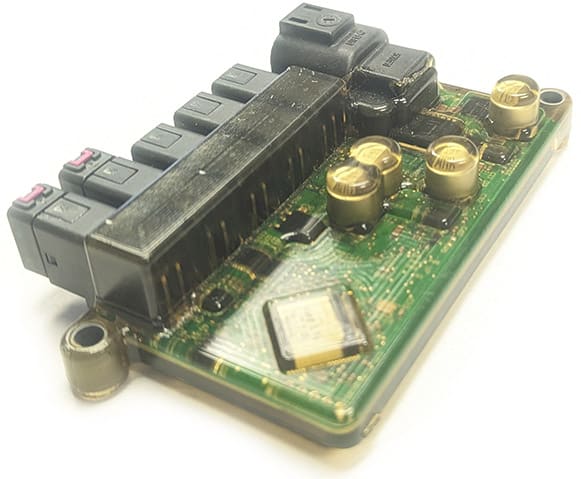

TPE overmolding is a manufacturing process that involves applying a layer of thermoplastic elastomer (TPE) onto a substrate, typically made of a rigid plastic or metal. This technique creates a composite part with enhanced properties, merging the benefits of both materials. TPEs are a class of polymers that exhibit elastomeric properties, meaning they can stretch and return to their original shape. They offer a unique combination of rubber-like flexibility and plastic-like processability, making them a versatile choice for a wide range of applications. The overmolding process itself is analogous to creating a protective shell or a functional skin for a core component. This “skin” can impart a variety of desirable characteristics, from improved grip and shock absorption to a more refined aesthetic.
What is Thermoplastic Elastomer (TPE)?
Thermoplastic elastomers are a hybrid material type. Unlike thermoset rubbers, which undergo irreversible chemical cross-linking during curing, TPEs can be melted and reshaped multiple times, behaving like thermoplastics when heated and like elastomers at room temperature. This dual nature is a key advantage, allowing for efficient manufacturing processes and the ability to recycle scrap material. The chemical structures of TPEs vary, but they generally consist of a hard thermoplastic block and a soft elastomeric block. The hard blocks form a continuous phase at elevated temperatures, allowing the material to flow, while at lower temperatures, they solidify and act as physical cross-links, creating the elastic network. This is akin to having tiny, rigid anchors floating within a flexible matrix. Different TPE chemistries, such as TPE-S (styrenic block copolymers), TPE-U (thermoplastic polyurethanes), TPE-E (thermoplastic copolyesters), and TPE-A (thermoplastic polyamides), offer a spectrum of properties, including varying hardness, chemical resistance, temperature resistance, and adhesion to different substrates.
The Overmolding Process
TPE overmolding typically involves two main stages. First, the substrate is molded or prepared. This substrate is the foundation upon which the TPE layer will be applied. Common substrates include injection-molded rigid plastics like ABS, polycarbonate, or nylon, as well as metal components. Second, the TPE material is heated to its melting point and injected into a secondary mold cavity where the substrate is already positioned. The TPE flows around and encapsulates the substrate, forming a strong bond as it cools and solidifies. This process can be achieved through various methods, including:
Two-Shot Injection Molding
This is a highly efficient method where both the substrate and the TPE overmold are molded in sequential shots within the same machine and mold. The mold is designed with two distinct cavities, and the process is automated to transfer the partially molded substrate to the second cavity for overmolding. This method offers excellent part consistency and reduces labor costs, as there is no manual handling between molding stages. It’s like painting a wall and then immediately applying a protective sealant without moving the can or the brush.
Insert Molding
In insert molding, a pre-made substrate (the insert) is placed into a mold cavity before the plastic material (in this case, TPE) is injected. The TPE then flows around and encapsulates the insert. This method allows for the use of a wider variety of pre-made components as substrates, including metal parts, and can be performed with standard injection molding machines by simply incorporating the insert into the mold.
Overmolding with Separate Machines
This approach involves molding the substrate in one injection molding machine and then manually or robotically transferring the substrate to a second injection molding machine equipped with a different mold for the TPE overmolding step. While it may require more handling, it offers flexibility in sourcing substrates and can be a cost-effective solution for lower production volumes or when specific substrate materials are not compatible with two-shot systems.
Bonding Mechanisms
The success of TPE overmolding hinges on achieving a strong and durable bond between the TPE and the substrate. Several mechanisms contribute to this adhesion:
- Mechanical Interlocking: This occurs when the TPE flows into intricate features or undercuts on the substrate’s surface. As the TPE cools, it solidifies, creating microscopic anchors that physically hold the two materials together. This is similar to how rebar strengthens concrete by embedding itself within the material.
- Chemical Bonding: In some cases, a chemical interaction can occur between the TPE and the substrate material. This often involves a shared or compatible polymer chemistry or the use of surface treatments on the substrate to promote a stronger molecular bond. Certain TPE formulations are specifically designed to bond with particular plastics.
- Solubility Parameter Matching: For optimal adhesion, the solubility parameters of the TPE and the substrate should be reasonably close. The solubility parameter is a measure of the cohesive energy density of a substance, indicating its ability to dissolve or interact with other substances. A closer match suggests a greater potential for intermolecular attraction and a stronger bond.
Enhancing Product Durability
Durability is a critical aspect of product design, ensuring longevity and reliability under various operating conditions. TPE overmolding significantly contributes to this by providing several protective and strengthening functionalities.
Shock Absorption and Vibration Damping
TPE’s inherent elastomeric nature makes it an excellent material for absorbing impact and dissipating vibrational energy. When applied as an overmold on a rigid substrate, it acts as a buffer. Consider a smartphone case; the rigid plastic inner shell provides structural integrity, while the TPE outer layer absorbs shocks from drops, preventing damage to the phone. Similarly, in tools or sporting equipment, TPE overmolding can reduce user fatigue by damping vibrations transmitted through the handle. This cushioning effect is a direct result of the TPE’s ability to deform under stress and then slowly return to its original shape, absorbing the energy in the process. This is like a shock absorber in a car, smoothing out bumps on the road.
Abrasion and Scratch Resistance
Many TPE formulations offer good resistance to abrasion and scratching. When used as an overmolding on exposed surfaces, they protect the underlying substrate from wear and tear caused by friction and impact. This is particularly beneficial for products that are frequently handled or exposed to demanding environments. For example, the grips on power tools, often made with TPE, can withstand repeated contact with rough surfaces and the user’s hands without significant degradation. The resilience of the TPE acts as a sacrificial layer, bearing the brunt of the abrasion instead of the more sensitive substrate.
Chemical and Environmental Resistance
Certain TPEs exhibit good resistance to a range of chemicals, oils, and environmental factors such as UV radiation and extreme temperatures. This property can extend the lifespan of a product, especially in industrial, automotive, or outdoor applications. For instance, TPE overmolded seals on automotive components can maintain their integrity when exposed to engine oils, fuels, and varying weather conditions, preventing leaks and ensuring proper function. The molecular structure of specific TPEs, like TPE-U (polyurethane-based), is known for its inherent resistance to many solvents and hydrocarbons, making them a robust choice for such demanding applications.
Enhanced Grip and Ergonomics
Beyond protection, TPE overmolding significantly improves the user experience through enhanced grip and ergonomics. The inherent tackiness and soft-touch feel of TPE provide a secure and comfortable hold, reducing the likelihood of slippage. This is crucial for handheld devices, tools, and any product where a firm grip is paramount for control and safety. Think about the difference between holding a slippery plastic handle and one wrapped in a soft, grippy TPE. The ergonomic design, often facilitated by the formability of TPEs, allows for custom shapes that fit naturally in the hand, further reducing fatigue and improving usability.
Advancing Product Functionality

The application of TPE overmolding extends beyond mere protection, actively contributing to a product’s performance and functionality.
Sealing and Water Resistance
The ability of TPEs to form a continuous, flexible, and often airtight seal makes them ideal for overmolding in applications requiring water or dust resistance. By encapsulating edges or forming gaskets directly onto a component, TPE overmolding eliminates the need for separate sealing components and potential assembly errors. This is commonly seen in electronic enclosures, automotive connectors, and medical devices where ingress protection is critical. The pliable nature of the TPE allows it to conform to irregular surfaces, creating a robust barrier against environmental contaminants.
Electrical Insulation
Many TPEs possess excellent electrical insulating properties, making them suitable for overmolding electrical components and connectors. This not only protects the delicate circuitry from physical damage but also prevents short circuits and electrical hazards. Examples include overmolded connectors for automotive wiring harnesses, where the TPE provides insulation and strain relief, ensuring the reliability and safety of the electrical connections. The TPE acts as a dielectric shield, preventing the flow of unwanted electrical current.
Tactile Feedback and User Interface Design
The tactile properties of TPEs can be deliberately engineered to provide specific feedback to the user. This is particularly valuable in the design of buttons, keypads, and control surfaces. By modulating the hardness and surface texture of the TPE overmold, designers can create distinct haptic responses that confirm button presses or indicate different functional states. This enhances the intuitiveness and user-friendliness of a product, as the user receives positive physical confirmation of their interactions. This is like a distinct click you feel when pressing a well-designed button.
Integration of Features and Consolidation of Parts
TPE overmolding allows for the seamless integration of multiple features into a single component. This can reduce the number of individual parts required for a product, leading to simpler assembly, lower manufacturing costs, and improved overall product integrity. For instance, a rigid housing can have flexible grips, protective bumpers, and decorative elements all molded as a single unit through the overmolding process. This consolidates functionality, much like a Swiss Army knife consolidating multiple tools into one unit.
Material Selection and Design Considerations

The successful implementation of TPE overmolding requires careful consideration of both material properties and design aspects.
Choosing the Right TPE Grade
The vast array of TPE formulations available presents designers with a wide spectrum of properties to choose from. Key factors in selecting the appropriate TPE grade include:
- Hardness (Durometer): TPEs are available across a broad range of hardness, from very soft and pliable to firm and semi-rigid. The desired grip, cushioning effect, or sealing capability will dictate the required durometer.
- Tensile Strength and Elongation: The ability of the TPE to withstand stretching and pulling forces is crucial for applications involving flex or strain.
- Temperature Resistance: The service temperature range of the TPE must be compatible with the operating environment of the final product. This includes both high-temperature performance during processing and in sustained use.
- Chemical Resistance: As mentioned previously, the TPE must be resistant to any chemicals or fluids it may encounter.
- UV and Ozone Resistance: For outdoor applications, resistance to sunlight and ozone is important to prevent material degradation.
- Flame Retardancy: In applications where fire safety is a concern, flame-retardant TPE grades are available.
- FDA or Medical Compliance: For applications involving food contact or medical use, TPEs certified to relevant regulatory standards must be selected.
Substrate Compatibility
The choice of substrate material is equally important. The substrate must be capable of withstanding the processing temperatures of the TPE and must be compatible for bonding. Common substrate materials include:
- Polypropylene (PP): Often used due to its good chemical resistance and reasonable cost.
- Acrylonitrile Butadiene Styrene (ABS): Offers a good balance of impact strength and rigidity.
- Polycarbonate (PC): Known for its high impact strength and clarity.
- Nylon (Polyamide): Provides excellent strength, stiffness, and wear resistance.
- Metals (e.g., Aluminum, Steel): Used for structural components where high strength is required.
The adhesion between the TPE and the substrate is paramount. Manufacturers often conduct adhesion tests to ensure the bond strength meets the application requirements. Surface preparation of the substrate, such as texturing or plasma treatment, can sometimes be employed to enhance adhesion.
Mold Design for Overmolding
The design of the injection mold is critical for successful TPE overmolding. Considerations include:
- Gate Design: The placement and type of injection gates influence the flow of the TPE and can impact surface finish and potential for short shots or warpage.
- Ventilation: Adequate venting in the mold cavity is essential to allow air to escape as the TPE is injected, preventing defects like air traps.
- Cooling: Efficient cooling channels within the mold ensure consistent cooling of the TPE, which is vital for part quality and cycle time.
- Ejection System: The mold must be designed to facilitate easy ejection of the finished overmolded part without damage.
- Dimensional Accuracy: The mold must be precisely manufactured to achieve the required tolerances for both the substrate and the TPE overmold.
Applications Across Industries
| Metric | Description | Typical Values | Unit |
|---|---|---|---|
| Shore Hardness | Measure of TPE hardness, indicating flexibility and softness | 30 – 90 | Shore A |
| Tensile Strength | Maximum stress TPE can withstand while being stretched | 5 – 30 | MPa |
| Elongation at Break | Percentage elongation before TPE breaks | 300 – 700 | % |
| Processing Temperature | Recommended temperature range for TPE overmolding | 180 – 250 | °C |
| Adhesion Strength | Bond strength between TPE and substrate material | 1 – 5 | MPa |
| Cycle Time | Time required to complete one overmolding cycle | 30 – 90 | Seconds |
| Coefficient of Friction | Friction level of TPE surface | 0.3 – 0.6 | Unitless |
The versatility of TPE overmolding has led to its widespread adoption across numerous industries, highlighting its ability to solve design challenges and improve product performance.
Consumer Electronics
In consumer electronics, TPE overmolding is prevalent in smartphones, tablets, gaming consoles, and audio devices. It provides soft-touch grips on controllers, protective bumper cases for devices, and dust seals for ports. The aesthetic appeal and tactile feedback also contribute to a premium user experience. For instance, a tablet’s stand might feature a TPE overmold for a non-slip base and a comfortable grip when adjusting its angle.
Automotive Industry
The automotive sector utilizes TPE overmolding extensively for interior and exterior components. This includes soft-touch interior surfaces on dashboards and door panels, vibration-damping mounts for engines and components, weather seals for doors and windows, and protective boots for CV joints. The durability, chemical resistance, and flexibility of TPEs make them well-suited for the demanding environment of a vehicle. Overmolded steering wheels offer improved grip and comfort for the driver.
Medical Devices
In the medical field, TPEs are favored for their bio-compatibility, sterilizability, and flexibility. TPE overmolding is used in medical tubing, seals for diagnostic equipment, grips for surgical instruments, and components for drug delivery systems. The ability to create complex shapes and ensure a hygienic, easy-to-clean surface is crucial for medical applications. For example, a peristaltic pump tube might be overmolded with a specific TPE grade to ensure both flexibility and resistance to pumping action.
Sporting Goods and Tools
Products in the sporting goods and tools sectors benefit significantly from TPE overmolding. It’s found in the grips of bicycles, tennis rackets, golf clubs, and power tools, providing enhanced comfort and preventing slippage during strenuous use. TPE overmolded handles on kitchen utensils offer a more secure and comfortable grip. The shock-absorbing properties are also valuable in sporting equipment to reduce impact stress on the user.
Industrial Equipment
For industrial machinery and equipment, TPE overmolding offers functional benefits such as improved grip on control handles, vibration isolation for sensitive components, and protective covers for electrical interfaces. Its resistance to oils, greases, and harsh cleaning agents makes it a suitable choice for rugged industrial environments. For example, a robotic arm might have TPE overmolded grippers to securely handle various objects without damage.
Future Trends and Innovations
The field of TPE overmolding continues to evolve, driven by the demand for higher performance, greater sustainability, and more sophisticated functionalities.
Advanced TPE Formulations
Research is ongoing to develop TPEs with enhanced properties, such as even greater temperature and chemical resistance, improved flame retardancy without sacrificing flexibility, and specific electrical conductivity or shielding capabilities. This expansion of material properties will open up new application possibilities.
Sustainable TPEs and Recycling
With a growing emphasis on sustainability, there is increasing interest in developing bio-based TPEs derived from renewable resources and improving the recyclability of TPE overmolded products. Circular economy principles are driving innovation in material design and end-of-life solutions.
Multi-Material Overmolding
The integration of more than two materials in a single overmolding process is becoming more feasible. This allows for the creation of highly complex components with tailored properties in specific areas, further enhancing functionality and potentially reducing assembly steps.
Enhanced Automation and Integration
Advances in robotics and automation are streamlining the TPE overmolding process, leading to greater precision, higher production speeds, and reduced manufacturing costs. The integration of in-line quality control systems ensures consistent product quality.
In conclusion, TPE overmolding is a powerful manufacturing technique that offers a compelling blend of durability, functionality, and design flexibility. By carefully selecting TPE materials and considering design parameters, manufacturers can leverage this process to create products that are not only robust and reliable but also offer enhanced user experience and performance across a wide spectrum of applications.
This innovative approach to TPE molding facilitates the production of intricate designs that meet specific performance requirements while maintaining structural integrity. Furthermore, the ability to seamlessly integrate various materials opens up opportunities for unique product applications, enhancing overall user satisfaction. With continued advancements in technology, TPE overmolding is poised to redefine standards in product durability and functionality across diverse industries.