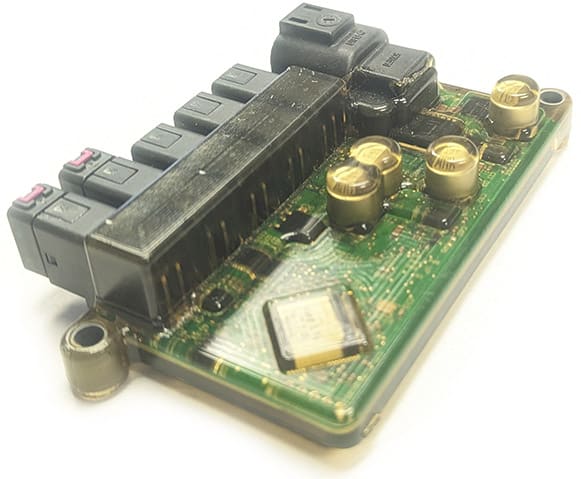
The electronics industry is experiencing significant technological advancement across multiple domains. Current developments include the integration of artificial intelligence, Internet of Things (IoT) systems, and sustainable manufacturing practices, resulting in more efficient and environmentally conscious electronic devices. These technologies are creating closer integration between electronic systems and human activities through adaptive interfaces and predictive functionality.
Several key technologies are driving this transformation. The deployment of 5G networks enables faster data transmission and lower latency communications. Quantum computing research is progressing toward practical applications that could exponentially increase processing capabilities.
Wearable technology continues to expand, incorporating more sophisticated sensors and health monitoring features. These technological developments are interconnected and influence multiple industries including healthcare, entertainment, manufacturing, and telecommunications. The trajectory of electronics development indicates continued miniaturization, increased processing power, and enhanced connectivity.
These advances aim to address practical challenges in areas such as energy efficiency, medical diagnostics, autonomous systems, and smart infrastructure. The industry is also focusing on sustainable materials and manufacturing processes to reduce environmental impact while maintaining performance standards.
Key Takeaways
- Electronics are rapidly evolving with breakthroughs across multiple cutting-edge fields.
- Wearable technology is becoming more advanced, offering enhanced health and connectivity features.
- AI and machine learning innovations are driving smarter, more autonomous electronic devices.
- Quantum computing is emerging as a transformative technology with vast potential applications.
- Sustainable electronics and improved energy storage solutions are key focuses for future development.
Advancements in Wearable Technology
Wearable technology has emerged as one of the most exciting frontiers in electronics, with applications that extend far beyond fitness tracking. Devices such as smartwatches, fitness bands, and augmented reality glasses are becoming increasingly sophisticated, incorporating advanced sensors and connectivity features that allow for real-time data collection and analysis. For instance, modern smartwatches can monitor heart rates, track sleep patterns, and even detect irregularities that may indicate health issues.
This capability not only empowers users to take charge of their health but also enables healthcare providers to offer more personalized care based on continuous monitoring. Moreover, the integration of artificial intelligence into wearable technology is enhancing user experience significantly. AI algorithms can analyze data collected from wearables to provide actionable insights tailored to individual users.
For example, a smartwatch equipped with AI might suggest lifestyle changes based on a user’s activity levels and health metrics. Additionally, advancements in materials science are leading to the development of more comfortable and durable wearables. Flexible electronics and skin-like materials are paving the way for devices that can be worn unobtrusively, further blurring the lines between technology and everyday life.
Innovations in Artificial Intelligence and Machine Learning
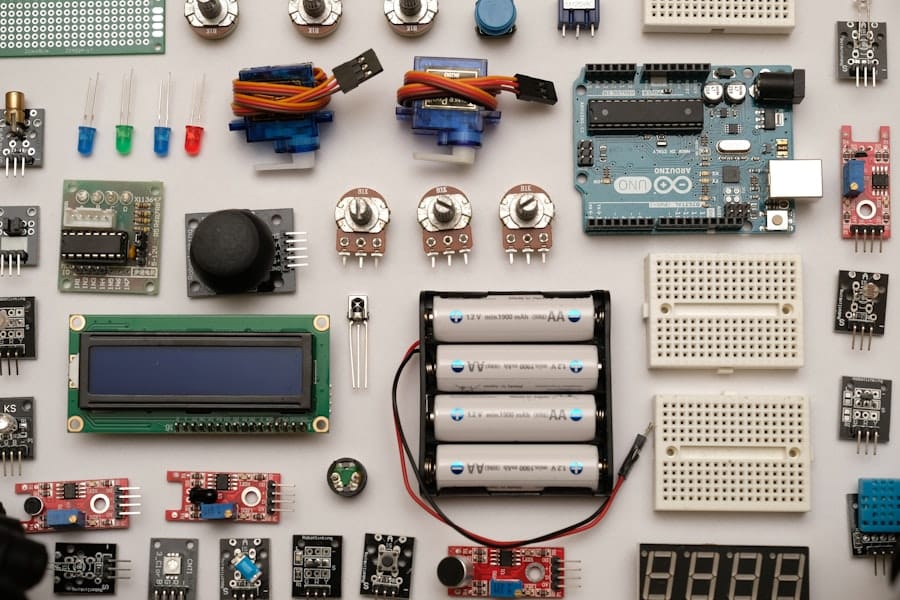
Artificial intelligence (AI) and machine learning (ML) are at the forefront of the electronics revolution, driving innovations that enhance functionality and efficiency across various devices. These technologies enable machines to learn from data, adapt to new inputs, and perform tasks that traditionally required human intelligence. In consumer electronics, AI is being utilized to create smarter home assistants that can understand natural language commands, manage household tasks, and even control other smart devices seamlessly.
For instance, Amazon’s Alexa and Google Assistant have become household names, showcasing how AI can simplify daily routines through voice-activated technology. In industrial applications, AI and ML are transforming manufacturing processes by optimizing supply chains and predictive maintenance. Smart factories equipped with AI algorithms can analyze vast amounts of data from machinery to predict failures before they occur, thereby reducing downtime and maintenance costs.
Furthermore, AI-driven analytics are being employed in sectors such as agriculture and healthcare to improve decision-making processes. In agriculture, for example, AI systems can analyze soil conditions and weather patterns to optimize crop yields. In healthcare, machine learning algorithms are being used to analyze medical images for early detection of diseases like cancer, demonstrating the profound impact these technologies have on improving outcomes across various fields.
The Rise of Quantum Computing
Quantum computing represents a paradigm shift in the field of electronics, promising computational power far beyond what classical computers can achieve. By leveraging the principles of quantum mechanics—such as superposition and entanglement—quantum computers can process information in ways that were previously unimaginable. This capability opens up new avenues for solving complex problems in fields ranging from cryptography to drug discovery.
For instance, quantum computers could potentially break current encryption methods or simulate molecular interactions at an unprecedented scale, leading to breakthroughs in material science and pharmaceuticals. Companies like IBM and Google are at the forefront of this technological revolution, investing heavily in research and development to create practical quantum computers. IBM’s Quantum Experience platform allows researchers and developers to experiment with quantum algorithms using real quantum processors via the cloud.
As these technologies mature, they will likely lead to significant advancements in various industries by enabling faster data processing and more efficient problem-solving techniques. The implications of quantum computing extend beyond mere speed; they could fundamentally alter our understanding of computation itself.
Sustainable and Eco-Friendly Electronics
| Category | Units Sold (Millions) | Average Price | Market Share (%) | Year |
|---|---|---|---|---|
| Smartphones | 1500 | 700 | 35 | 2023 |
| Laptops | 300 | 1200 | 15 | 2023 |
| Tablets | 200 | 450 | 10 | 2023 |
| Wearables | 250 | 250 | 8 | 2023 |
| Televisions | 100 | 900 | 12 | 2023 |
| Audio Devices | 180 | 150 | 5 | 2023 |
As environmental concerns become increasingly pressing, the electronics industry is responding with a focus on sustainability and eco-friendliness. Manufacturers are exploring ways to reduce electronic waste through recycling programs and designing products with longer lifespans. For example, companies like Fairphone are pioneering modular smartphones that allow users to replace individual components rather than discarding the entire device when one part fails.
This approach not only minimizes waste but also empowers consumers to maintain their devices over time. Additionally, advancements in materials science are leading to the development of biodegradable components and energy-efficient manufacturing processes. Researchers are investigating organic materials that can replace traditional plastics in electronic devices, reducing their environmental impact.
Solar-powered gadgets are also gaining traction as consumers seek greener alternatives. The integration of renewable energy sources into electronic devices not only reduces reliance on fossil fuels but also aligns with global efforts to combat climate change. As sustainability becomes a core value for consumers, companies that prioritize eco-friendly practices will likely gain a competitive edge in the market.
Integration of Internet of Things (IoT) in Electronics
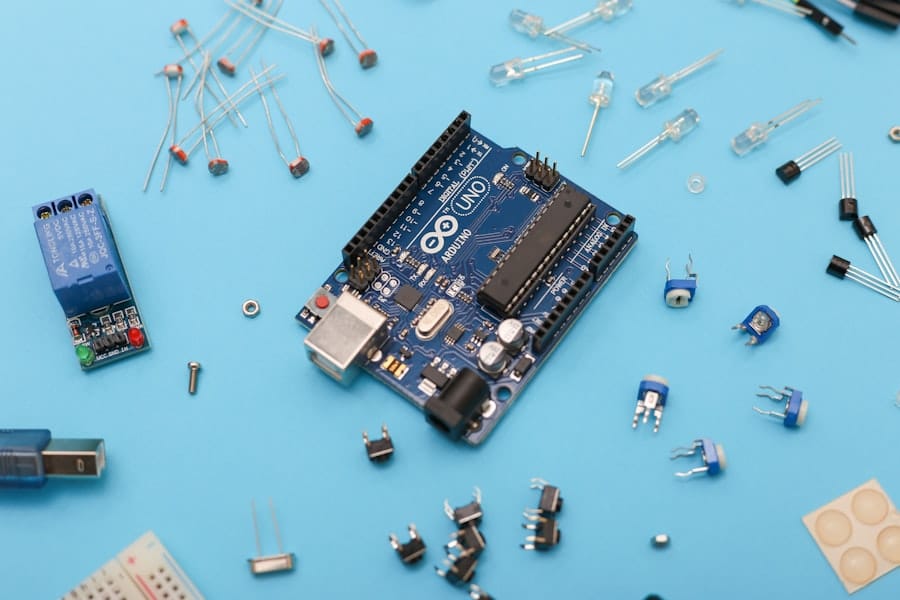
The Internet of Things (IoT) is revolutionizing how electronic devices communicate with each other and with users. By embedding sensors and connectivity features into everyday objects, IoT enables a level of interactivity that was previously unattainable. Smart home devices such as thermostats, lights, and security systems can now be controlled remotely via smartphones or voice commands, creating a more convenient living environment.
For instance, smart thermostats learn user preferences over time and adjust heating or cooling automatically to optimize energy usage. In industrial settings, IoT is enhancing operational efficiency through real-time monitoring and data analysis. Sensors placed on machinery can provide insights into performance metrics, allowing for proactive maintenance and reducing downtime.
This connectivity extends beyond individual devices; entire systems can be integrated to create smart cities where traffic lights adjust based on real-time traffic conditions or waste management systems optimize collection routes based on sensor data. The potential applications of IoT are vast, promising improvements in efficiency, safety, and quality of life across various sectors.
Advancements in Energy Storage and Battery Technology
Energy storage technology is critical for the future of electronics as it directly impacts device performance and sustainability. Traditional lithium-ion batteries have dominated the market for years; however, researchers are exploring alternative materials and chemistries that could lead to higher energy densities and faster charging times. Solid-state batteries represent one such innovation; they replace liquid electrolytes with solid materials, potentially increasing safety while enhancing performance.
Companies like Toyota are investing heavily in solid-state battery technology for electric vehicles (EVs), aiming to overcome limitations associated with current battery technologies. Moreover, advancements in energy storage are not limited to batteries alone; supercapacitors are gaining attention for their ability to deliver rapid bursts of energy while maintaining longevity. These devices can complement batteries in applications requiring quick charging and discharging cycles.
As renewable energy sources like solar and wind become more prevalent, efficient energy storage solutions will be essential for balancing supply and demand. Innovations in this field will enable a more sustainable energy ecosystem by allowing excess energy generated during peak production times to be stored for later use.
The Impact of 5G Technology on Electronics
The rollout of 5G technology is set to revolutionize the electronics landscape by providing faster data transfer speeds, lower latency, and increased connectivity for a multitude of devices. This next-generation wireless technology will enable seamless communication between devices in real-time, facilitating advancements in various applications such as autonomous vehicles, smart cities, and telemedicine. For instance, 5G networks can support the massive data requirements of connected vehicles communicating with each other to enhance safety and efficiency on the roads.
In addition to enhancing existing technologies, 5G will pave the way for new innovations that rely on high-speed connectivity. Augmented reality (AR) and virtual reality (VR) applications will benefit significantly from 5G’s capabilities, allowing for immersive experiences without lag or interruptions. Industries such as entertainment and education stand to gain immensely as 5G enables high-quality streaming and interactive learning environments that were previously limited by bandwidth constraints.
As 5G technology continues to expand globally, its impact on electronics will be profound, driving innovation across multiple sectors while reshaping how we connect with technology in our daily lives.
The integration of 5G technology is set to revolutionize the Internet of Things (IoT), facilitating seamless communication between devices and enhancing automation in various industries. Smart homes and cities will emerge as central hubs of connectivity, optimizing energy use and improving overall quality of life through real-time data analysis. Furthermore, advancements in semiconductor materials will lead to smaller, more efficient electronics, unlocking new possibilities for portable devices and wearables. As these technologies converge, the landscape of electronics will be dramatically transformed, reflecting a future characterized by unprecedented interconnectivity and innovation. The rise of 5G will also accelerate advancements in artificial intelligence, enabling faster data processing and more sophisticated algorithms. This synergy will enhance applications in healthcare, allowing for remote monitoring and telemedicine solutions that improve patient outcomes. In the automotive industry, 5G will support the development of connected and autonomous vehicles, paving the way for safer and more efficient transportation systems. As businesses adapt to this new technological landscape, they will need to invest in infrastructure and cybersecurity measures to protect the vast amount of data being transmitted. Ultimately, the full potential of 5G technology will reshape not only consumer electronics but also the very fabric of society and the economy.