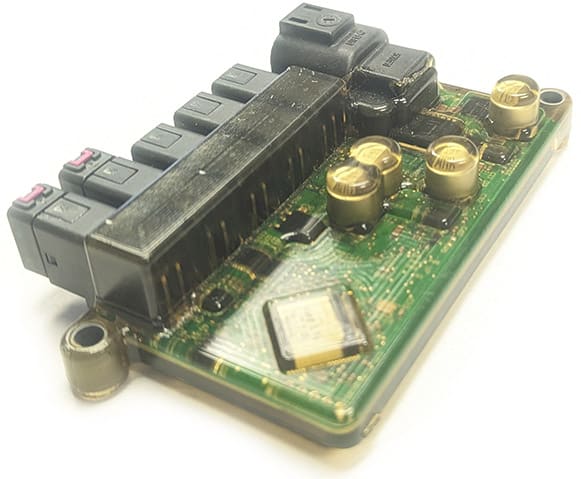

Overmold Express provides epoxy overmolding technologies for passing the FIPS levels 2, 3 and 4 compliance. Below are some details on the requirements for the various levels of protection
The ability to protect sensitive information is a cornerstone of modern computing. In a world increasingly reliant on digital data, ensuring its confidentiality and integrity is paramount. One well-established and widely recognized standard for achieving this protection is Federal Information Processing Standards (FIPS) encryption. This document outlines the principles and practices of securing data through FIPS-compliant cryptographic modules, providing a robust framework for organizations to safeguard their most valuable digital assets.
Before delving into the specifics of FIPS encryption, it is important to establish a foundational understanding of what FIPS is and its role in the broader landscape of cybersecurity. FIPS, standing for Federal Information Processing Standards, are publicly announced standards developed by the National Institute of Standards and Technology (NIST) in the United States for use by all federal departments and agencies. While originating from a US federal mandate, FIPS standards have gained international recognition and adoption due to their rigorous nature and their focus on security and interoperability.
FIPS standards are not haphazard recommendations; they are the result of extensive research, development, and peer review. They aim to provide clear and actionable guidelines for the acquisition and use of information technology systems and services, ensuring a baseline level of security across government operations and, by extension, the private sector that interacts with or is influenced by government mandates.
The Role of FIPS
The National Institute of Standards and Technology (NIST) serves as the primary custodian and developer of FIPS. NIST is a non-regulatory agency of the U.S. Department of Commerce. Its mission is to promote U.S. innovation and industrial competitiveness by advancing measurement science, standards, and technology in ways that enhance economic security and improve our quality of life. In the realm of cybersecurity, NIST’s work is critical, providing the technical expertise and consensus-building necessary to establish reliable security standards. NIST’s development process for FIPS typically involves public comment periods, expert workshops, and extensive testing to ensure that the standards are both effective and practical.
Cryptographic Modules and Their Importance
At the heart of FIPS encryption lies the concept of a cryptographic module. A cryptographic module is a set of hardware, software, and/or firmware that implements cryptographic functions. These functions, such as encryption, decryption, digital signatures, and key generation, are the building blocks of secure communication and data protection. The security of these modules is not left to chance. FIPS encryption standards specifically address the validation and assurance of these modules.
The security of any encryption system is only as strong as its weakest link. If the underlying cryptographic module is flawed, improperly implemented, or susceptible to attack, the entire security posture of the system is compromised. Imagine a bank vault: the vault door itself is the cryptographic module. If that door has a weak lock or faulty hinges, the contents of the vault are at risk, regardless of how strong the vault walls are. FIPS certification provides a level of assurance that these critical components have been thoroughly tested and meet stringent security requirements.
The Evolution of Cryptographic Standards
Cryptographic standards are not static; they evolve in response to advancements in computing power, the emergence of new cryptanalytic techniques, and evolving threat landscapes. Early encryption algorithms, while once considered secure, are now vulnerable to modern computing capabilities and sophisticated attacks. FIPS standards reflect this evolution, often deprecating older algorithms in favor of newer, more robust ones. For example, the transition from DES (Data Encryption Standard) to AES (Advanced Encryption Standard) is a prime illustration of this necessary evolution.
This ongoing evolution ensures that FIPS remains a relevant and effective standard for securing data in an ever-changing technological environment. Organizations that adhere to FIPS standards are, in essence, aligning themselves with a continuously updated best practice for cryptography, rather than relying on outdated or potentially compromised methods.
FIPS encryption is a critical aspect of securing sensitive data, especially for organizations that must comply with government regulations. For more information on how FIPS-compliant solutions can enhance your data security, you can read a related article on this topic at Pack Power Services. This resource provides insights into various encryption methods and their importance in maintaining data integrity and confidentiality.
FIPS 140-2 and FIPS 140-3: The Pillars of Data Security
The most prominent FIPS standards related to cryptographic modules are FIPS 140-2 and its successor, FIPS 140-3. These standards provide a uniform framework for validating the security of cryptographic modules used by federal agencies and other organizations that handle sensitive information. Understanding the distinctions and requirements of these standards is crucial for anyone involved in data security.
FIPS 140-2, released in 2001, has been the foundational standard for cryptographic module validation for many years. It defines security requirements for cryptographic modules across four security levels, each offering progressively stronger security. These levels, ranging from Level 1 to Level 4, address various aspects of the module’s physical security, operational security, and cryptographic algorithm implementation.
Understanding FIPS 140-2 Security Levels
- Level 1: This is the most basic security level. It requires the fewest security measures and is intended for environments where physical security is not a primary concern and the module is not expected to be exposed to adversarial conditions. At this level, the focus is primarily on the correct implementation of approved cryptographic algorithms.
- Level 2: This level adds tamper-evidence features to the module. This means that any attempt to physically access or interfere with the module should leave visible evidence. This can include tamper-evident seals or coatings. Level 2 also requires role-based authentication, meaning different users are granted different levels of access to the module’s functions.
- Level 3: This level imposes stricter tamper-resistance measures. Instead of just evidence of tampering, Level 3 requires measures that prevent or detect tampering and initiate a zeroization process where all sensitive cryptographic information is erased. This level also requires an identity-based authentication mechanism, ensuring that only specific, authenticated individuals can access sensitive functions.
- Level 4: This is the highest and most stringent security level. It builds upon Level 3 by requiring robust physical tamper-detection and response capabilities. Level 4 modules are designed to withstand sophisticated physical attacks, and any intrusion triggers an immediate self-destruction of sensitive information. This level is typically reserved for the most critical and sensitive applications.
The Transition to FIPS 140-3
Recognizing the need to adapt to evolving cryptographic landscapes and address advancements in cryptanalysis, NIST developed FIPS 140-3. This new standard supersedes FIPS 140-2 and introduces a more modernized approach to cryptographic module validation. FIPS 140-3 aligns with international standards, specifically ISO/IEC 19790, which provides a globally recognized baseline for cryptographic module security.
Key changes and enhancements in FIPS 140-3 include:
- Alignment with International Standards: By harmonizing with ISO/IEC 19790, FIPS 140-3 facilitates international interoperability and reduces redundant validation efforts for vendors selling products globally.
- Modernized Cryptographic Algorithm Support: FIPS 140-3 provides updated requirements for the use of modern and more secure cryptographic algorithms, while also outlining guidance for the deprecation of older, less secure ones.
- Enhanced Requirements for Random Number Generation: The quality of random numbers is paramount for strong cryptography. FIPS 140-3 places greater emphasis on the rigorous testing and assurance of random number generators within cryptographic modules.
- Improved Documentation and Testing Expectations: The standard clarifies expectations for testing procedures and documentation, aiming to ensure that validation reports are comprehensive and understandable.
Organizations currently relying on FIPS 140-2 validated modules should plan for a transition to FIPS 140-3 as their existing certifications expire or as new procurements arise. The transition is a continuous process, ensuring that security remains a dynamic and adaptive strength.
Implementing FIPS Encryption in Your Organization

Adopting FIPS encryption is not merely a technical decision; it involves strategic planning, careful selection of solutions, and ongoing management. Implementing FIPS-compliant solutions can serve as a strong foundation for a robust data security program.
The process begins with understanding your organization’s specific data protection needs and the regulatory requirements it must meet. Once these are identified, you can begin the search for FIPS-validated products and services.
Identifying Your Security Requirements
Before exploring FIPS solutions, conduct a thorough assessment of the data you need to protect and the potential threats it faces.
Data Classification
Categorize your data based on its sensitivity. This includes identifying:
- Confidential data: Information that, if disclosed, could cause significant harm to individuals or the organization (e.g., personally identifiable information, financial records, intellectual property).
- Internal use data: Information that, if disclosed, could cause moderate harm.
- Publicly available data: Information that has no confidentiality requirements.
The higher the sensitivity of your data, the more critical it is to employ strong encryption methods, and FIPS validation becomes increasingly important.
Threat Modeling
Engage in threat modeling to understand the potential attack vectors and adversaries your organization might face. Consider:
- Internal threats: Malicious insiders or accidental data breaches by employees.
- External threats: Cybercriminals, nation-state actors, or competitors.
- Physical threats: Theft of devices or unauthorized access to facilities.
Understanding these threats will guide your choice of FIPS security levels and the types of cryptographic solutions needed.
Selecting FIPS-Validated Products and Services
When procuring hardware, software, or services that utilize cryptography, look for explicit FIPS validation.
The Cryptographic Module Validation Program (CMVP)
The Cryptographic Module Validation Program (CMVP) is a joint effort between NIST and the Communications Security Establishment of Canada (CSE). The CMVP validates cryptographic modules to FIPS 140-2 and FIPS 140-3 standards. A module that has successfully undergone this validation process is listed on the CMVP website. This list is a crucial resource for identifying legitimate FIPS-validated products.
When evaluating products, verify that they are listed on the official CMVP validation list. Be wary of claims of FIPS compliance without proper validation documentation.
Types of FIPS-Validated Solutions
FIPS-validated solutions can be found across a wide range of technologies:
- Hardware Security Modules (HSMs): These are dedicated hardware devices designed to protect cryptographic keys and perform cryptographic operations. HSMs are often used for key management, digital signing, and secure transaction processing.
- Encryption Software: Many software applications, including operating systems, databases, and file encryption tools, incorporate FIPS-validated cryptographic libraries.
- Network Devices: Firewalls, VPNs, and other network security appliances often include FIPS-validated modules to secure network communications.
- Cloud Services: Cloud providers may offer FIPS-validated cryptographic services as part of their offerings, allowing organizations to leverage cloud infrastructure with assurance of FIPS compliance.
Choosing the right type of FIPS-validated solution depends on your specific use case and where in your infrastructure you need to enforce cryptographic security.
Integrating FIPS Encryption into Your Security Architecture
Successfully integrating FIPS encryption requires careful planning and execution.
Key Management Practices
The security of any encryption system is inextricably linked to the security of its cryptographic keys. FIPS standards place significant emphasis on secure key generation, storage, distribution, and destruction.
- Secure Generation: Keys should be generated using cryptographically secure random number generators.
- Secure Storage: Keys should be stored in protected environments, preferably within FIPS-validated Hardware Security Modules (HSMs) or equivalent secure storage mechanisms.
- Secure Distribution: The process of sharing keys with authorized parties must be secure to prevent interception.
- Secure Destruction: When keys are no longer needed, they must be securely destroyed to prevent their recovery.
Poor key management practices can undermine even the strongest encryption algorithms, rendering the entire security effort moot.
Policy and Procedure Development
FIPS implementation should be supported by clear policies and procedures.
- Acceptable Use Policies: Define how FIPS-encrypted data should be handled, stored, and transmitted.
- Incident Response Plans: Outline steps to take in the event of a suspected or confirmed data breach, including procedures for identifying compromised keys and affected data.
- Regular Audits: Conduct periodic audits to ensure adherence to FIPS policies and the continued effectiveness of the implemented security controls.
These policies act as the operational framework that guides the day-to-day use of FIPS encryption and ensures that it remains a consistent and reliable security measure.
Benefits of Adopting FIPS Encryption

The adoption of FIPS-validated cryptographic solutions offers a multitude of benefits that extend beyond mere compliance. These advantages contribute to an organization’s overall security posture, regulatory standing, and trustworthiness.
One of the primary drivers for adopting FIPS encryption is the assurance it provides.
Enhanced Data Confidentiality and Integrity
At its core, FIPS encryption is about making data unreadable to unauthorized individuals. By employing algorithms validated under FIPS standards, organizations can be confident that their sensitive information is protected from unauthorized access, theft, and disclosure. This is akin to locking away sensitive documents in a high-security vault rather than leaving them on an open desk.
Beyond confidentiality, FIPS-compliant solutions also ensure data integrity. This means that the data has not been tampered with or altered in transit or while at rest. Mechanisms like digital signatures, which are part of many cryptographic suites, provide a verifiable way to confirm that data has not been modified.
Meeting Regulatory and Compliance Demands
Many industries and government bodies have specific regulations concerning data protection. For organizations operating in or interacting with the U.S. federal government, adherence to FIPS standards is often a strict requirement. Examples include:
- HIPAA (Health Insurance Portability and Accountability Act): While HIPAA doesn’t mandate FIPS encryption specifically, it requires the use of appropriate technical, physical, and administrative safeguards to protect electronic protected health information (ePHI). FIPS-validated encryption is a strong mechanism to meet these safeguard requirements.
- PCI DSS (Payment Card Industry Data Security Standard): For organizations handling credit card data, PCI DSS mandates the use of strong encryption for cardholder data. FIPS-validated encryption is a well-accepted method for meeting these requirements.
- Government Procurement: Many government contracts and solicitations explicitly require that the technology solutions used be FIPS-validated.
By adopting FIPS encryption, organizations can proactively address these compliance obligations, avoiding potential fines, legal repercussions, and reputational damage. It transforms compliance from a burden into a functional aspect of their security strategy.
Building Trust and Reputation
In today’s data-conscious environment, trust is a valuable commodity. Demonstrating a commitment to robust data security through measures like FIPS encryption can significantly enhance an organization’s reputation among customers, partners, and stakeholders.
When customers entrust their sensitive information to a company, they expect it to be handled with the utmost care. Highlighting the use of FIPS-validated encryption signals a dedication to protecting that trust. This can be a significant differentiator in competitive markets, fostering stronger relationships and a more loyal customer base. It communicates that the organization is not just meeting minimum requirements but is actively investing in best-in-class security practices.
Future-Proofing Security Investments
The landscape of cyber threats is constantly evolving, with adversaries developing new methods to compromise data. FIPS standards are regularly updated to reflect these changes, ensuring that validated cryptographic algorithms remain effective against emerging threats. By selecting FIPS-validated solutions, organizations are investing in security measures that are designed to stand the test of time and adapt to future challenges.
This proactive approach helps to avoid the costly cycle of retrofitting security solutions or dealing with the consequences of using outdated and vulnerable encryption methods. It’s like building a house with modern building codes that account for seismic activity and high winds, rather than one constructed with outdated practices that could leave it vulnerable to the next major storm.
FIPS encryption is an essential aspect of securing sensitive data, particularly in government and financial sectors. For those looking to deepen their understanding of this topic, a related article can provide valuable insights into the implementation and compliance requirements associated with FIPS standards. You can explore more about this in the article linked here: FIPS encryption guidelines. This resource offers a comprehensive overview that can help organizations ensure they meet necessary security protocols.
Challenges and Considerations in FIPS Encryption
| Metric | Description | Value / Standard |
|---|---|---|
| FIPS 140-2 Level | Security level of the cryptographic module | Levels 1 to 4 |
| Algorithm | Type of encryption algorithm used | AES, Triple DES, RSA, SHA |
| Key Length | Size of the cryptographic key | 128, 192, 256 bits (AES) |
| Validation Certificate | FIPS validation certificate number | Varies per module (e.g., #1234) |
| Approved Mode | Encryption mode approved under FIPS | CBC, GCM, ECB (depending on algorithm) |
| Operational Environment | Type of environment where module operates | Firmware, Software, Hardware |
| Random Number Generator | Type of RNG used for key generation | Deterministic RNG, True RNG |
While the benefits of FIPS encryption are substantial, its implementation is not without its challenges. Organizations must be aware of these potential hurdles and plan accordingly to ensure a smooth and effective adoption.
The complexity of cryptographic standards and their validation processes can present a learning curve.
Complexity and Expertise Requirements
Understanding the intricacies of FIPS standards, the nuances of cryptographic algorithms, and the validation process requires specialized knowledge. Organizations may need to invest in training their IT staff, hire security professionals with FIPS expertise, or rely on external consultants.
This is not a turnkey solution that can be implemented without a degree of technical understanding. It’s like understanding the blueprints for a complex building; without the right architectural and engineering knowledge, construction can be fraught with errors.
Validation Costs and Time
Obtaining FIPS validation for a cryptographic module is a rigorous and often expensive process. It involves extensive testing by accredited laboratories, which incurs costs for labor, equipment, and reporting. The validation lifecycle can also be lengthy, potentially impacting product development timelines and market release.
Vendors who provide FIPS-validated products have already borne these costs, which are then reflected in the price of their offerings. Organizations procuring these solutions need to factor in these costs when budgeting for their security infrastructure.
Interoperability and Compatibility
While FIPS aims to standardize cryptographic security, ensuring interoperability between different FIPS-validated modules and existing systems can sometimes be a challenge. Different implementations or versions of FIPS-validated components might require careful configuration to work seamlessly together.
It’s important not to assume that simply because two components are FIPS-validated, they will automatically be compatible without any integration effort. Think of it as assembling furniture from different manufacturers; while they both use screws, the threading and sizes might differ, requiring some adjustment.
Algorithm Agility and Deprecation
As mentioned earlier, cryptographic standards evolve. Algorithms once considered secure can become obsolete over time due to advancements in computing power and cryptanalysis. FIPS standards often dictate which algorithms are approved and which are deprecated.
Organizations need to maintain awareness of these changes and have a plan for migrating to newer, more secure algorithms. Relying on an outdated FIPS-validated module that uses a deprecated algorithm will no longer provide adequate security. This requires ongoing vigilance and a commitment to updating cryptographic implementations as standards evolve.
Ensuring Continuous Compliance
FIPS validation is not a one-time event. Cryptographic modules and the systems that use them require ongoing maintenance and revalidation. Changes to the operating environment, firmware updates, or new versions of the module itself may necessitate re-validation or assessment to ensure continued compliance.
This necessitates a commitment to proactive security management, including regular reviews of validation status, monitoring for algorithm deprecation, and planning for future re-validation cycles. It is an ongoing journey, not a destination.
The Future of FIPS and Data Security
The landscape of data security is dynamic, and FIPS encryption is evolving to meet these continuous changes. As technology advances and new threats emerge, FIPS standards will undoubtedly adapt to maintain their relevance and effectiveness.
The ongoing development of FIPS standards reflects a commitment to staying ahead of the curve.
The Rise of Post-Quantum Cryptography
One of the most significant future considerations for cryptographic standards is the advent of quantum computing. The immense processing power of quantum computers poses a threat to many of the public-key cryptographic algorithms currently in use, including those that underpin many secure communication protocols.
NIST is actively engaged in the development and standardization of post-quantum cryptography (PQC) algorithms. These algorithms are designed to be resistant to attacks from both classical and quantum computers. Future versions of FIPS will almost certainly incorporate PQC standards, requiring organizations to transition to these new cryptographic primitives to ensure long-term data security. This transition will be a significant undertaking, akin to switching from an analog telephone system to a digital one, but it is essential for future data protection.
Increasing Emphasis on Machine Learning and AI in Security
Machine learning (ML) and artificial intelligence (AI) are increasingly being leveraged in cybersecurity for threat detection, anomaly identification, and automated security responses. FIPS validation may also begin to incorporate requirements related to the secure use of ML/AI within cryptographic systems, such as ensuring the integrity of training data and the robustness of AI models used in security functions.
The integration of AI and ML into security operations offers the potential to enhance the effectiveness of cryptographic solutions, but it also introduces new avenues for attack that will need to be addressed by evolving standards.
Global Harmonization of Standards
As cybersecurity becomes a global concern, there is a growing trend towards the harmonization of international security standards. FIPS 140-3’s alignment with ISO/IEC 19790 is a testament to this trend. Future iterations of FIPS may continue to seek greater alignment with global best practices, simplifying compliance for multinational organizations and fostering broader adoption of robust security measures.
This global collaboration is crucial because data does not respect national borders. A unified approach to cryptographic security benefits everyone by creating a more secure global digital ecosystem.
In conclusion, securing data with FIPS encryption provides a vital framework for organizations seeking to protect their sensitive information. By understanding the principles behind FIPS, adhering to the requirements of standards like FIPS 140-2 and FIPS 140-3, and proactively addressing the challenges, organizations can build a strong and resilient data security posture. As the technological landscape continues to evolve, staying informed about the future direction of FIPS and embracing emerging cryptographic solutions will be essential to maintaining effective data protection in the years to come.
FAQs
What does FIPS encryption mean?
FIPS encryption refers to cryptographic methods and algorithms that comply with the Federal Information Processing Standards (FIPS), specifically FIPS 140-2 or FIPS 140-3. These standards are set by the U.S. government to ensure the security and integrity of cryptographic modules used in sensitive but unclassified information systems.
Why is FIPS encryption important?
FIPS encryption is important because it provides a validated level of security for cryptographic modules, ensuring that data is protected against unauthorized access and tampering. Many government agencies and regulated industries require FIPS-compliant encryption to meet legal and security requirements.
Which algorithms are commonly approved under FIPS encryption standards?
Commonly approved algorithms under FIPS standards include AES (Advanced Encryption Standard), Triple DES (3DES), RSA, SHA (Secure Hash Algorithm) variants, and HMAC (Hash-based Message Authentication Code). These algorithms have been tested and validated for secure use in cryptographic modules.
How can organizations implement FIPS encryption?
Organizations can implement FIPS encryption by using cryptographic modules and software that have been validated and certified under the FIPS 140-2 or FIPS 140-3 standards. This often involves selecting hardware security modules (HSMs), encryption libraries, or software solutions that explicitly state FIPS compliance.
Does FIPS encryption guarantee complete security?
While FIPS encryption ensures that cryptographic modules meet rigorous security standards, it does not guarantee complete security on its own. Security also depends on proper implementation, key management, system configuration, and overall security practices within an organization.