Protecting Electronics: The Benefits of Circuit Board Potting
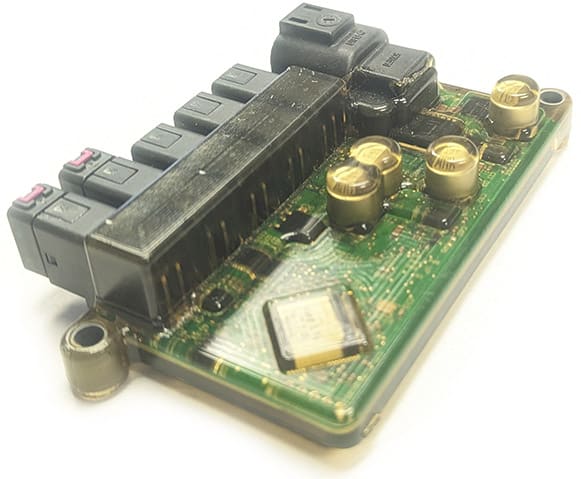
Circuit board potting, also known as encapsulation or conformal coating, is a process where a protective material is applied to an assembled printed circuit board (PCB). This material, often a polymer resin, forms a barrier around the electronic components, shielding them from various environmental hazards. Understanding the benefits of this technique is crucial for anyone involved in the design, manufacturing, or maintenance of electronic devices. This article will explore the advantages of circuit board potting and the reasons why it has become an essential practice in many industries.
Environmental factors can significantly degrade the performance and lifespan of electronic components. Potting provides a robust defense against these insidious elements, ensuring that your circuits can operate reliably even in challenging conditions. When a circuit board is not protected, it is like a soldier in an open field, vulnerable to every incoming threat. Potting equips that soldier with armor, allowing them to face the battlefield with confidence.
Moisture and Humidity Protection
Water and high humidity are notorious enemies of electronics. Even small amounts of moisture can lead to corrosion of solder joints, short circuits, and component failure. Potting creates a hermetic or semi-hermetic seal around the PCB, preventing moisture ingress.
Preventing Corrosion
The ingress of moisture can create electrochemical reactions that lead to the degradation of conductive pathways. This corrosion can increase electrical resistance, cause open circuits, and ultimately lead to device malfunction. The potting material acts as a physical barrier, keeping water molecules away from the delicate copper traces and solder joints. Think of it like sealing a letter in an airtight envelope; the contents remain dry and protected from atmospheric moisture.
Mitigating Condensation
In environments with fluctuating temperatures, condensation can form on the surface of electronic components. This condensed water can bridge gaps between conductive elements, leading to unintended electrical connections and potential short circuits. A well-applied potting compound effectively seals these pathways, preventing the formation of dew points on vulnerable areas of the PCB.
Chemical Resistance
Exposure to chemicals, solvents, oils, and other corrosive substances can rapidly damage electronic components. Potting provides a crucial barrier against these chemical attacks.
Protection from Industrial Solvents
Many industrial environments utilize solvents for cleaning or as part of manufacturing processes. These solvents can dissolve protective coatings, attack plastic housings, and even corrode metal components. Potting resins, when selected appropriately, offer excellent resistance to a wide range of chemical agents, preserving the integrity of the circuit. This is akin to applying a protective coating to a valuable artifact before exposing it to a potentially damaging environment.
Defense Against Salt Spray
In marine or coastal applications, salt spray is a persistent problem. Salt is highly conductive and corrosive. When deposited on a PCB, it can create conductive pathways, leading to short circuits and rapid corrosion of metal parts. Potting creates a barrier that prevents salt particles from adhering to and infiltrating the circuit board.
Dust and Debris Exclusion
Fine particulate matter, such as dust and dirt, can accumulate on PCBs, leading to increased surface resistance and potential short circuits. It can also impede heat dissipation, causing components to overheat.
Preventing Short Circuits Due to Contamination
Dust particles, especially those with conductive properties, can bridge the gaps between adjacent components or traces, creating unintended electrical paths. This can lead to unpredictable behavior or outright failure of the electronic device. Potting seals the board, preventing any external contaminants from settling on the sensitive circuitry. The potting material acts as a blanket, keeping the delicate components free from the abrasive touch of dust.
Maintaining Thermal Performance
A layer of dust can act as an insulator, hindering the ability of components to dissipate heat. This can lead to overheating, reduced performance, and accelerated component aging. By excluding dust, potting helps maintain optimal operating temperatures.
Circuit board potting is an essential process for protecting electronic components from environmental factors, and for those looking to delve deeper into the tooling aspects of this procedure, a related article can be found at Overmold Express Tooling. This resource provides valuable insights into the various tooling options available for potting applications, helping manufacturers enhance the durability and reliability of their circuit boards.
Mechanical Protection
Beyond environmental threats, electronic circuits are often susceptible to physical stresses that can lead to damage. Potting offers a significant level of mechanical reinforcement, helping to secure components and prevent failures due to vibration, shock, and abrasion. In this regard, potting is like adding a sturdy frame to a delicate painting, providing support and preventing it from being damaged by accidental bumps.
Vibration and Shock Resistance
Electronic devices, especially those used in mobile, automotive, or industrial settings, are frequently subjected to vibrations and sudden shocks. These mechanical stresses can cause solder joints to crack, components to fracture, or wires to break.
Securing Components
Potting encapsulates components and their solder connections, effectively bonding them to the PCB. This greatly reduces the movement of individual parts, preventing fatigue and fracture of solder joints. Think of it as filling the gaps around loose teeth; they become much more stable and less prone to breakage.
Preventing Component Dislodgement
In high-vibration environments, components can actually vibrate loose from the PCB or break their leads. Potting embeds these components within the resin, providing a firm and stable mounting.
Abrasion Resistance
In applications where the PCB might come into contact with other surfaces, abrasion can lead to the wearing away of traces or component markings.
Protecting Surface Traces
The potting compound creates a hard, durable outer surface that resists scratching and abrasion. This is particularly important for PCBs that are exposed or are in close proximity to moving parts. This outer layer acts as a sacrificial shield, absorbing any abrasive forces before they can reach the delicate circuit.
Maintaining Labeling and Markings
Potting can also protect any labels or markings on the PCB, ensuring that identification and assembly information remains legible.
Electrical Insulation
Beyond its physical protective qualities, potting also plays a vital role in enhancing the electrical performance and safety of a circuit board. The insulating properties of potting compounds can prevent unwanted electrical interactions and improve overall reliability.
Preventing Short Circuits
As previously mentioned, moisture, dust, and physical damage can all lead to short circuits. Potting’s physical barrier and inherent insulating properties work in tandem to minimize these risks.
Dielectric Strength
Potting resins are chosen for their high dielectric strength, meaning they can withstand a significant electric field before breaking down and allowing current to flow. This high resistance to electrical current prevents unintended electrical connections between different parts of the circuit. This is similar to how high-voltage insulators are used on power lines to prevent electricity from escaping.
Improved Isolation Between Components
Potting fills voids between components, ensuring adequate spacing and preventing electrical arcing, especially in high-voltage applications. This effectively isolates individual sections of the circuit.
Enhancing High-Voltage Performance
In applications involving high voltages, such as power supplies or medical equipment, proper insulation is paramount for safety and performance. Potting provides a reliable and consistent dielectric barrier.
Preventing Corona Discharge
Corona discharge is an ionization of the air surrounding a high-voltage conductor, which can lead to energy loss and damage to components. Potting eliminates air voids where corona discharge can occur.
Ensuring Electrical Safety
By providing a robust insulating layer, potting significantly enhances the electrical safety of a device, protecting users from accidental shocks.
Thermal Management

While not its primary function, the choice of potting material can also influence the thermal performance of a circuit board. Some potting compounds are specifically designed to assist in heat dissipation.
Heat Dissipation
Certain potting compounds are formulated with thermally conductive fillers, allowing them to draw heat away from hot components.
Thermal Conductivity
While standard potting materials may offer some degree of insulation, thermally conductive epoxies and silicones can actively transfer heat from components to a heat sink or the enclosure. This is akin to using a heat pipe within a computer cooler; it actively moves heat away from the source.
Preventing Component Overheating
By facilitating better heat dissipation, potting can prevent components from reaching critical temperatures, thereby improving their lifespan and reliability.
Thermal Cycling Resistance
Electronic devices often experience cycles of heating and cooling during operation. The potting material needs to withstand these changes without cracking or delaminating.
Coefficient of Thermal Expansion
Potting materials are selected to have a coefficient of thermal expansion that is compatible with the PCB and its components, minimizing stress during temperature changes. This prevents the material from expanding or contracting at a vastly different rate than the components it encases, which could lead to cracking.
Circuit board potting is an essential process that protects electronic components from environmental factors, ensuring longevity and reliability. For those interested in exploring more about this topic, a related article discusses the benefits and techniques of overmolding, which can enhance the durability of electronic devices. You can read more about it in this insightful piece on overmolding. Understanding these methods can significantly improve the performance and lifespan of circuit boards in various applications.
Cost-Effectiveness and Durability
| Metric | Description | Typical Values | Unit |
|---|---|---|---|
| Potting Compound Type | Material used for encapsulating the circuit board | Epoxy, Silicone, Polyurethane | – |
| Dielectric Strength | Ability to resist electrical breakdown | 15,000 – 25,000 | V/mil |
| Thermal Conductivity | Heat transfer capability of the potting material | 0.2 – 0.5 | W/m·K |
| Viscosity | Flow characteristic of the potting compound before curing | 500 – 5,000 | cP (centipoise) |
| Cure Time | Time required for the potting compound to fully cure | 1 – 24 | hours |
| Operating Temperature Range | Temperature range in which the potting remains effective | -40 to 150 | °C |
| Shrinkage | Percentage volume reduction after curing | 0.5 – 3 | % |
| Hardness (Shore D) | Measure of cured potting material hardness | 30 – 80 | Shore D |
| Moisture Absorption | Amount of moisture absorbed over time | 0.1 – 1.0 | % weight gain |
When considering the long-term operational life and reduced failure rates, circuit board potting often proves to be a cost-effective solution, despite the initial investment.
Increased Product Lifespan
By protecting the circuit board from environmental, mechanical, and electrical stresses, potting significantly extends the operational lifespan of electronic devices. This reduces the need for frequent repairs and replacements. A well-potted device is more likely to be a loyal workhorse, performing its duty for years to come.
Reduced Repair Costs
Failures caused by environmental degradation or mechanical damage are often costly to diagnose and repair. Potting minimizes these failure modes, leading to substantial savings in repair and warranty costs. The cost of a robust shield is often far less than the cost of repairing damage caused by its absence.
Enhanced Reliability
The enhanced protection offered by potting directly translates to increased reliability. Devices that are potted are less likely to fail unexpectedly in the field, leading to improved customer satisfaction and reduced service calls. This reliability is the bedrock upon which trust in an electronic product is built.
Material Selection Considerations
It is important to note that the benefits of potting are contingent upon the correct selection of the potting material. Various types of potting compounds exist, each with different properties:
- Epoxies: Offer excellent chemical resistance, mechanical strength, and adhesion.
- Silicones: Provide good flexibility, thermal stability, and UV resistance.
- Urethanes: Exhibit good abrasion resistance, toughness, and flexibility.
- Acrylics: Offer good clarity, UV resistance, and ease of application, often used for conformal coating.
The choice of material will depend on the specific operating environment, the types of stresses the PCB will encounter, and the desired level of protection. Consulting with material suppliers and considering the application’s specific requirements is crucial for maximizing the benefits of circuit board potting. The potting material is the armor, and choosing the right type is like selecting the most appropriate metal for a sword; its effectiveness depends on the intended adversary.
In conclusion, circuit board potting is a sophisticated yet essential process that provides a multifaceted layer of protection for electronic assemblies. From safeguarding against harsh environmental conditions and mechanical stresses to enhancing electrical insulation and contributing to thermal management, the benefits are far-reaching. The increased product lifespan, reduced repair costs, and overall enhanced reliability make potting a vital practice for ensuring the long-term success of electronic devices across a wide spectrum of industries.
Give us a call to discuss your next project
FAQs
What is circuit board potting?
Circuit board potting is the process of encapsulating electronic components and circuit boards in a solid or gel-like compound to protect them from environmental factors such as moisture, dust, vibration, and chemicals.
What materials are commonly used for potting circuit boards?
Common potting materials include epoxy resins, silicone, polyurethane, and acrylic compounds. Each material offers different levels of protection, flexibility, and thermal conductivity depending on the application.
Why is potting important for circuit boards?
Potting enhances the durability and reliability of circuit boards by providing mechanical support, electrical insulation, and protection against corrosion, thermal stress, and physical damage.
Can potting affect the thermal performance of a circuit board?
Yes, potting materials can influence heat dissipation. Some compounds have good thermal conductivity to help manage heat, while others may insulate heat, so selecting the right potting material is crucial for thermal management.
Is potting reversible or can the circuit board be repaired after potting?
Potting is generally a permanent process. Removing the potting compound to repair or modify the circuit board can be difficult and may damage the components, so potting is typically done after final testing and approval.