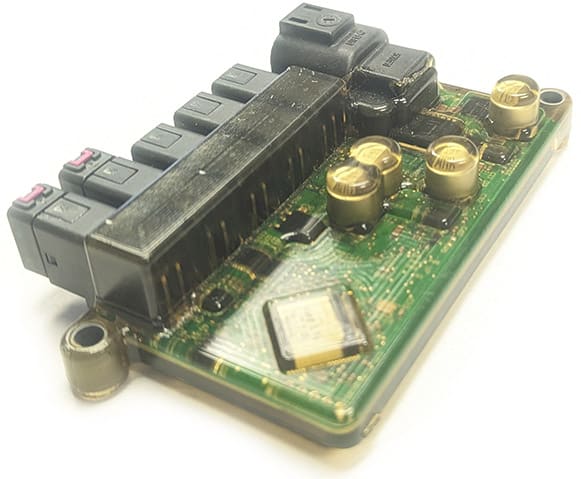
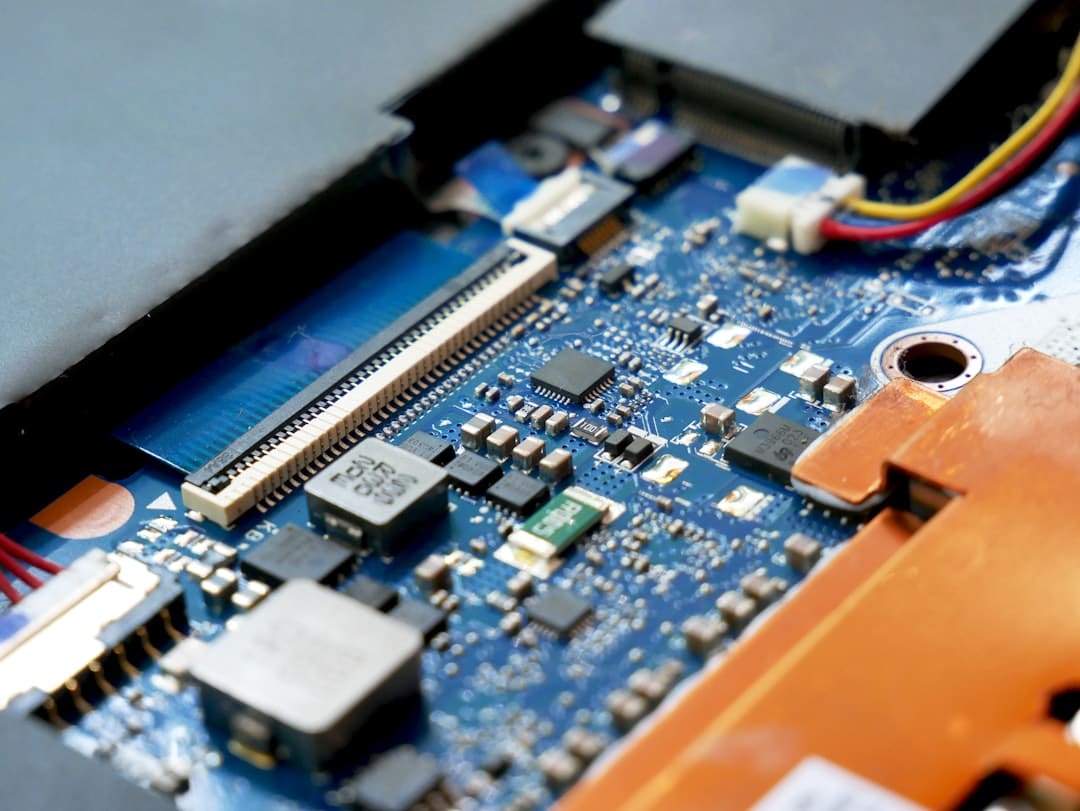
Elastomer overmolding is a specialized manufacturing process that combines two different materials to create a single, cohesive product. This technique is particularly prevalent in the electronics industry, where the need for enhanced functionality and user experience drives innovation. By applying a layer of elastomer—a flexible, rubber-like material—over a rigid substrate, manufacturers can produce components that are not only aesthetically pleasing but also offer improved tactile feedback, grip, and protection against environmental factors.
The versatility of elastomers allows for a wide range of applications, from consumer electronics to medical devices, making overmolding an essential technique in modern manufacturing. The process of elastomer overmolding involves the careful selection of materials and precise engineering to ensure compatibility between the elastomer and the substrate. This compatibility is crucial for achieving strong adhesion and optimal performance.
As technology advances, the methods and materials used in elastomer overmolding continue to evolve, leading to enhanced properties such as increased durability, resistance to chemicals, and improved thermal stability. The growing demand for high-performance electronic devices has further propelled the adoption of elastomer overmolding, as manufacturers seek innovative solutions to meet consumer expectations.
Key Takeaways
- Elastomer overmolding enhances electronics by providing improved protection and durability.
- Various elastomers like silicone and TPU are commonly used for their flexibility and resilience.
- The overmolding process involves molding elastomer materials directly onto electronic components.
- Design considerations include material compatibility, adhesion, and component geometry.
- Future trends focus on advanced materials and sustainable, eco-friendly overmolding solutions.
Benefits of Elastomer Overmolding for Electronics
One of the primary benefits of elastomer overmolding in electronics is the enhancement of user experience through improved ergonomics. Devices that incorporate elastomer overmolding often feature soft-touch surfaces that provide a comfortable grip, reducing user fatigue during prolonged use. For instance, handheld devices such as smartphones and gaming controllers benefit significantly from this process, as the elastomer layer can be designed to fit the contours of the hand, making them more user-friendly.
Additionally, the tactile feedback provided by elastomers can enhance the overall interaction with the device, making it more intuitive and enjoyable to use. Another significant advantage is the protective qualities that elastomer overmolding imparts to electronic components. The elastomer layer acts as a barrier against moisture, dust, and other environmental contaminants that could potentially damage sensitive electronic parts.
This is particularly important in applications where devices are exposed to harsh conditions, such as outdoor equipment or medical devices used in various environments. The ability to create a waterproof seal through overmolding not only extends the lifespan of electronic products but also reduces maintenance costs and enhances reliability.
Types of Elastomers Used in Overmolding
A variety of elastomers can be utilized in the overmolding process, each offering distinct properties suited for specific applications. Thermoplastic elastomers (TPEs) are among the most commonly used materials due to their excellent flexibility, durability, and ease of processing. TPEs can be easily molded and reprocessed, making them an attractive option for manufacturers looking to streamline production while maintaining high-quality standards.
They are often used in consumer electronics, automotive components, and medical devices due to their versatility and performance characteristics. Silicone elastomers are another popular choice for overmolding applications, particularly in environments where temperature extremes or chemical exposure are concerns. Silicone offers superior thermal stability and resistance to UV light, making it ideal for outdoor applications or products that require sterilization.
For example, silicone overmolded components are frequently found in medical devices such as surgical instruments and diagnostic equipment, where biocompatibility and ease of cleaning are paramount. The choice of elastomer ultimately depends on the specific requirements of the application, including mechanical properties, environmental resistance, and regulatory compliance.
Process of Elastomer Overmolding
The elastomer overmolding process typically involves several key steps that ensure a successful bond between the elastomer and the substrate. Initially, the substrate—often made from materials like plastic or metal—is prepared through cleaning and surface treatment to enhance adhesion. This preparation may involve processes such as plasma treatment or chemical etching to create a rough surface that promotes better bonding with the elastomer.
Once the substrate is ready, it is placed into an injection molding machine where the elastomer is heated until it reaches a molten state. The molten elastomer is then injected into the mold cavity surrounding the substrate. As it cools and solidifies, it forms a tight bond with the substrate material.
This process can be performed using various molding techniques, including injection molding or compression molding, depending on the design requirements and production volume. After cooling, the finished product is ejected from the mold and undergoes quality control checks to ensure it meets specifications.
Design Considerations for Elastomer Overmolding
| Metric | Value | Unit | Description |
|---|---|---|---|
| Impact Resistance | 50-100 | Joules | Energy absorbed by elastomer overmolding before electronic damage |
| Ingress Protection Rating | IP67 | Standard | Protection against dust and water immersion up to 1 meter for 30 minutes |
| Operating Temperature Range | -40 to 125 | °C | Temperature range in which the overmolded electronics can operate safely |
| Vibration Resistance | 20 | g RMS | Resistance to vibration levels without performance degradation |
| Shock Resistance | 1000 | g | Peak acceleration the overmolded electronics can withstand |
| Material Hardness (Shore A) | 40-70 | Shore A | Typical hardness range of elastomers used for overmolding |
| Elongation at Break | 300-600 | % | Stretchability of elastomer before breaking |
| Dielectric Strength | 15-25 | kV/mm | Electrical insulation capability of the elastomer |
| Moisture Absorption | 0.1-0.5 | % | Percentage of moisture absorbed by elastomer over 24 hours |
Designing for elastomer overmolding requires careful consideration of several factors to ensure optimal performance and manufacturability. One critical aspect is the geometry of the substrate; sharp edges or complex shapes can complicate the molding process and affect adhesion. Designers must consider draft angles and radii that facilitate easy ejection from molds while maintaining structural integrity.
Additionally, features such as undercuts should be minimized or strategically placed to avoid complications during production. Another important consideration is the selection of appropriate elastomer materials based on their mechanical properties and compatibility with the substrate. Factors such as hardness, tensile strength, and elongation at break must be evaluated to ensure that the final product meets performance requirements.
Furthermore, designers should account for potential shrinkage during cooling, which can affect tolerances and fit between components. By addressing these design considerations early in the development process, manufacturers can streamline production and reduce costs associated with rework or redesign.
Environmental Protection and Durability
Elastomer overmolding plays a crucial role in enhancing environmental protection for electronic devices. The elastomer layer provides a robust barrier against moisture ingress, dust accumulation, and other contaminants that could compromise electronic functionality. This protective feature is particularly vital in industries such as automotive and consumer electronics, where devices are often exposed to challenging conditions.
For example, smartphones with overmolded cases can withstand accidental spills or exposure to rain without suffering damage. Durability is another key advantage offered by elastomer overmolding. The inherent flexibility of elastomers allows them to absorb shocks and vibrations that electronic components may encounter during use.
This shock-absorbing capability is essential for devices subjected to rigorous handling or movement, such as portable medical equipment or ruggedized outdoor tools. Moreover, many elastomers exhibit excellent resistance to wear and tear, ensuring that products maintain their appearance and functionality over time. This durability not only enhances user satisfaction but also contributes to sustainability by extending product lifecycles.
Case Studies of Successful Elastomer Overmolding Applications
Numerous case studies illustrate the successful application of elastomer overmolding across various industries. One notable example is in the realm of consumer electronics with smartphone cases that utilize TPE overmolding. These cases not only provide a comfortable grip but also protect devices from drops and impacts.
Companies like OtterBox have leveraged this technology to create rugged cases that meet military drop-test standards while maintaining a sleek design aesthetic. In the medical field, elastomer overmolding has been employed in the production of insulin pens used by diabetic patients. These pens often feature a hard plastic body with a soft-touch silicone overmold that enhances grip during injection.
The silicone layer also provides a barrier against contamination while ensuring that patients can easily handle the device without discomfort. Such applications highlight how elastomer overmolding can improve both functionality and user experience in critical healthcare settings.
Future Trends in Elastomer Overmolding for Electronics
As technology continues to advance, several trends are emerging in elastomer overmolding that promise to shape its future applications in electronics. One significant trend is the increasing integration of smart materials into overmolded components. These materials can respond dynamically to environmental changes—such as temperature or pressure—enhancing device functionality beyond traditional capabilities.
For instance, smart elastomers could enable touch-sensitive surfaces that change texture based on user interaction or environmental conditions. Another trend is the growing emphasis on sustainability within manufacturing processes. As consumers become more environmentally conscious, manufacturers are exploring bio-based elastomers derived from renewable resources as alternatives to traditional petroleum-based materials.
These sustainable options not only reduce environmental impact but also align with corporate social responsibility initiatives aimed at minimizing waste and promoting eco-friendly practices. In conclusion, elastomer overmolding represents a vital intersection of material science and engineering innovation within the electronics industry. Its ability to enhance user experience through improved ergonomics while providing essential protection against environmental factors makes it an invaluable technique for manufacturers seeking to create high-performance products that meet evolving consumer demands.