
Lithium-ion battery technology has revolutionized portable electronics, electric vehicles, and a growing array of other applications. While off-the-shelf lithium battery packs offer a standardized solution, many devices and systems demand more than what a consumer-grade unit can provide. This is where custom lithium battery packs step in, offering a tailored approach to power management designed to meet specific operational requirements. These packs are not merely assembled components; they are engineered solutions, meticulously crafted to optimize performance, longevity, and safety for a particular application. Understanding the principles and benefits of custom lithium battery packs is crucial for engineers, product designers, and anyone seeking to push the boundaries of what is possible with portable power.
Understanding the Core Components of a Lithium Battery Pack
A lithium battery pack is a complex assembly of individual lithium-ion cells, managed and protected by a sophisticated system. At its foundation are the individual lithium-ion cells. These electrochemical units, often cylindrical or prismatic in shape, store and release energy. The choice of cell chemistry (e.g., Lithium Cobalt Oxide, Lithium Manganese Oxide, Lithium Iron Phosphate, Nickel Manganese Cobalt) is a critical design decision, influencing factors like energy density, power output, lifespan, and safety characteristics.
Cell Chemistry and its Implications
The selection of cell chemistry is akin to choosing the engine for a vehicle; different chemistries are suited for different driving conditions.
- Lithium Cobalt Oxide (LCO): Often found in consumer electronics, LCO offers high energy density but generally has a shorter cycle life and can be more sensitive to thermal runaway.
- Lithium Manganese Oxide (LMO): Provides good thermal stability and power capability but has a lower energy density than LCO.
- Lithium Iron Phosphate (LFP): Characterized by excellent safety, long cycle life, and good thermal stability. However, it typically has a lower energy density compared to some other chemistries, making it a compelling option where safety and longevity are paramount.
- Nickel Manganese Cobalt (NMC): A popular choice, NMC offers a balance of energy density, power, and lifespan. It is widely used in electric vehicles and power tools.
Interconnection and Assembly
Individual cells are connected in series and parallel configurations to achieve the desired voltage and capacity.
- Series Connection: Increases the overall voltage of the pack. If you link multiple batteries end-to-end, their voltages add up.
- Parallel Connection: Increases the overall capacity (ampere-hours) and therefore the runtime. Connecting batteries side-by-side allows them to share the load, effectively increasing the total energy storage.
The Brains of the Operation: Battery Management System (BMS)
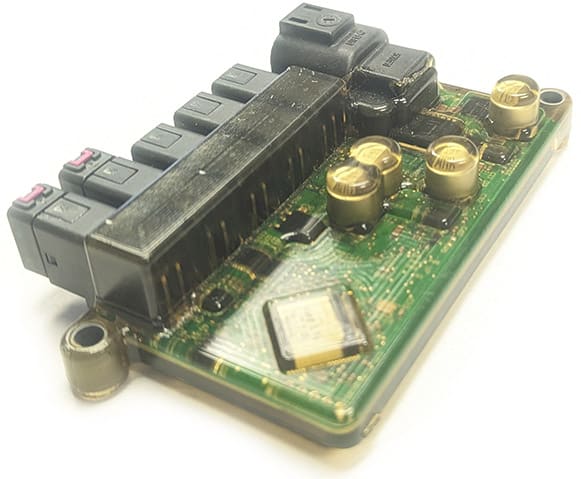
The Battery Management System (BMS) is the indispensable control unit of any lithium battery pack. It is the vigilant guardian and intelligent conductor, ensuring the pack operates within safe parameters and maximizes its lifespan. Without a BMS, a lithium battery pack would be like a powerful engine without a governor – prone to overexertion and potential damage.
Key Functions of a BMS
The BMS performs a multitude of essential tasks:
- Monitoring Cell Voltage: The BMS continuously measures the voltage of each individual cell. This prevents overcharging (charging a cell beyond its safe upper voltage limit) and over-discharging (draining a cell below its safe lower voltage limit). Think of it as constantly checking the water level in multiple interconnected tanks to prevent any one tank from overflowing or becoming completely empty.
- Cell Balancing: Over time, individual cells within a pack can drift in their charge levels. The BMS actively balances these cells, ensuring they all have similar voltage levels. This prevents premature aging of individual cells and maximizes the usable capacity of the entire pack. It’s like ensuring all members of a rowing team are pulling with equal force to maintain optimal speed and prevent strain on individuals.
- Temperature Monitoring: Lithium batteries are sensitive to temperature. The BMS monitors the pack’s temperature, preventing operation in extreme heat or cold, which can degrade performance and pose safety risks.
- Overcurrent and Short-Circuit Protection: The BMS protects the pack from excessive current draw and short circuits, which can lead to overheating and potential fire hazards.
- State of Charge (SoC) and State of Health (SoH) Estimation: Advanced BMS units can estimate the current charge level (SoC) and the overall health or remaining lifespan (SoH) of the battery pack. This information is vital for predicting runtime and managing the battery’s lifecycle.
Housing and Encapsulation
The pack’s enclosure provides physical protection for the cells and BMS, safeguarding them from environmental factors, mechanical shock, and vibration. The choice of material and design for the housing is critical for durability, thermal management, and compliance with safety standards.
The Advantages of Customization: Beyond Off-the-Shelf Limitations
The appeal of custom lithium battery packs lies in their ability to transcend the one-size-fits-all approach of standard offerings. These packs are designed with a specific purpose in mind, allowing for an optimized solution where generic options fall short.
Tailored Energy and Power Requirements
Many applications have unique demands for energy storage (how long the device needs to run) and power delivery (how much current it needs to supply at any given moment).
- High Energy Density for Extended Runtime: If an application requires long operating times, such as a portable medical device or an industrial sensor, a custom pack can be designed with a higher capacity by utilizing more cells or cells with higher energy density chemistry. This is like designing a fuel tank precisely to meet the required travel distance, avoiding unnecessary weight or fuel.
- High Power Output for Demanding Operations: Conversely, applications that require bursts of high power, such as power tools, drones, or electric propulsion systems, necessitate a custom pack capable of delivering high discharge currents without compromising safety or performance. This is akin to designing an engine that can instantly deliver a surge of power when needed for acceleration or to overcome a difficult obstacle.
- Specific Voltage Profiles: Some systems are designed to operate within a very narrow voltage range. Custom packs can be engineered to provide precisely the required voltage by configuring the series and parallel cell arrangements.
Form Factor and Mechanical Integration
Standard battery packs often dictate the physical design of the device they power. Custom packs, however, can be molded and shaped to fit within the unique constraints of a device’s chassis or enclosure.
- Optimized Space Utilization: In applications where space is at a premium, such as within compact consumer electronics or specialized industrial equipment, a custom battery pack can be designed to occupy the available space as efficiently as possible, maximizing the battery capacity within those limitations.
- Ergonomic Design Considerations: For handheld devices or wearable technology, the shape and weight distribution of the battery pack can significantly impact user comfort and ergonomics. Custom packs can be sculpted to fit comfortably in the hand or integrate seamlessly into a wearable design.
- Robust Mechanical Connections: Custom packs can incorporate specialized connectors and mounting points that are designed for the specific operational environment and mechanical stresses the device will encounter. This ensures reliable power delivery and prevents disconnection due to vibration or shock.
Enhanced Safety Features
While all reputable lithium battery packs incorporate safety measures, custom designs can incorporate additional layers of protection tailored to the specific risks of an application.
- Redundant Safety Circuits: In critical applications where failure is not an option, such as in medical devices or aerospace, custom BMS designs can include redundant safety circuits to ensure continuous protection even if one component fails.
- Advanced Thermal Management: For applications operating in extreme environments (e.g., high ambient temperatures or undergoing significant self-heating), custom packs can integrate sophisticated thermal management systems, including advanced heat sinks, phase-change materials, or even active cooling mechanisms, to maintain optimal operating temperatures.
- Environmental Sealing: Applications exposed to harsh environments, such as underwater equipment or outdoor sensors, can benefit from custom battery packs with specialized sealing to protect against moisture, dust, and corrosive elements.
Extended Lifespan and Performance Optimization
Beyond the immediate operational needs, custom battery packs can be engineered for long-term reliability.
- Cycle Life Maximization: By carefully selecting cell chemistry, optimizing charging and discharging algorithms within the BMS, and implementing effective thermal management, custom packs can be designed to achieve significantly longer cycle lives, reducing the frequency of replacement and lowering total cost of ownership.
- Charge and Discharge Rate Optimization: The BMS can be programmed to precisely control the charge and discharge rates, preventing the cells from being stressed by overly rapid charging or heavy discharge, thereby preserving their health and extending their useful life.
- High Altitude or Extreme Temperature Compensation: For applications operating in environments with significant atmospheric pressure changes or extreme temperature fluctuations, custom BMS algorithms can compensate for these conditions to maintain optimal performance and safety.
The Design and Development Process: From Concept to Completion
Creating a custom lithium battery pack is a collaborative and iterative process that requires expertise in electrochemistry, electrical engineering, mechanical design, and software development. It is not a simple matter of picking parts; it is an engineering endeavor.
Initial Consultation and Requirements Gathering
The journey begins with a thorough understanding of the application’s needs.
- Defining Operational Parameters: This involves clearly defining the required voltage, current draw profiles (continuous and peak), desired runtime, operating temperature range, cycle life expectations, and any critical safety considerations.
- Physical Constraints and Integration: The physical dimensions, weight limitations, and how the pack will integrate with the rest of the system are also critical inputs.
- Regulatory and Certification Requirements: Understanding any relevant safety standards and certification requirements (e.g., UL, CE, UN 38.3) from the outset is vital to avoid costly redesigns later.
Cell Selection and Configuration
Based on the gathered requirements, the appropriate lithium-ion cells are chosen.
- Balancing Performance Metrics: This involves evaluating trade-offs between energy density, power density, cycle life, cost, and safety of different cell chemistries and manufacturers.
- Series and Parallel Arrangement: The number of cells connected in series (for voltage) and parallel (for capacity) is calculated to meet the target voltage and capacity specifications. This is like designing the plumbing system for a house, ensuring the right flow and pressure at each tap.
BMS Design and Programming
The heart of the custom pack lies in its BMS.
- Feature Set Selection: The BMS must be equipped with the necessary features, including overcharge, over-discharge, overcurrent, short-circuit, and temperature protection.
- Algorithm Development: Custom algorithms can be developed for more sophisticated functions such as precise State of Charge (SoC) estimation, predictive State of Health (SoH) monitoring, and optimized charge/discharge profiles tailored to the application’s usage patterns.
- Communication Protocols: If the battery pack needs to communicate with the host device, appropriate communication protocols (e.g., SMBus, CAN bus) are implemented.
Mechanical Design and Enclosure
The physical construction of the pack is as important as its electrical components.
- 3D Modeling and Prototyping: The pack’s enclosure is designed using CAD software, often with multiple iterations and 3D printed prototypes to test fit and form factor within the target device.
- Thermal Management Integration: Heat dissipation is a critical consideration. The enclosure design must facilitate efficient heat transfer away from the cells, especially under heavy load or in high ambient temperatures.
- Durability and Environmental Protection: The enclosure is selected or designed to withstand the intended operating environment, including potential shocks, vibrations, and exposure to water or dust.
Safety Analysis and Testing
Before and during development, rigorous safety analysis and testing are paramount.
- Failure Mode and Effects Analysis (FMEA): This systematic process identifies potential failure modes of the battery pack and their effects, allowing for design modifications to mitigate risks.
- Short-Circuit Testing, Overcharge Testing, Thermal Abuse Testing: These tests, often conducted according to industry standards, ensure the pack behaves safely under extreme conditions.
- Environmental Testing: Testing under various temperature and humidity conditions simulates real-world operation.
Manufacturing and Quality Control
Once the design is finalized and validated, the packs are manufactured.
- Automated Assembly Processes: For larger production runs, automated machinery is often used to ensure consistency and efficiency.
- Stringent Quality Checks: Each stage of the manufacturing process, from cell inspection to final pack testing, is subject to strict quality control measures to ensure every pack meets specifications and safety standards.
Applications Driving the Demand for Custom Lithium Battery Packs
The versatility of custom lithium battery packs means they are finding their way into an ever-expanding range of innovative applications. Their ability to be precisely engineered allows them to unlock new levels of performance and functionality where standard solutions are inadequate.
Medical Devices: Powering Life-Saving Innovations
In the realm of healthcare, reliability and precision are non-negotiable. Custom lithium battery packs are essential for a growing number of portable and implantable medical devices.
- Portable Diagnostic Equipment: Devices like portable ultrasound machines, ECG monitors, and blood glucose meters require compact, lightweight, and long-lasting power sources that can be easily recharged or swapped.
- Surgical Robotics and Tools: The precise movements and high power demands of surgical robots and powered surgical instruments necessitate custom battery solutions that offer both high power output and extended operational times for critical procedures.
- Implantable Devices: Pacemakers, neurostimulators, and drug delivery pumps often rely on custom-designed, highly reliable, and long-lasting lithium battery packs that are tailored to the small form factor and specific power requirements of these life-sustaining implants. The safety and longevity aspects are paramount here.
Unmanned Aerial Vehicles (UAVs) and Drones: Extending Mission Capabilities
The drone industry, from consumer photography to industrial inspection and defense, is a prime beneficiary of custom battery technology.
- Extended Flight Times: To perform longer surveillance missions, deliver packages over greater distances, or conduct detailed aerial surveys, custom battery packs with optimized energy density are crucial for maximizing flight duration.
- High Power-to-Weight Ratio: For agile and high-performance drones, a battery pack offering a high power-to-weight ratio is essential to enable rapid acceleration, lift heavy payloads, and maintain maneuverability.
- Fast Charging Capabilities: For commercial drone operations, minimizing downtime is critical. Custom battery packs can be designed to support rapid charging protocols without compromising cell health.
Industrial and Robotic Applications: Enhancing Automation and Mobility
The push towards greater automation and mobility in industrial settings is heavily reliant on advanced power solutions.
- Mobile Robots and Automated Guided Vehicles (AGVs): These robots, used for logistics, warehousing, and manufacturing, require battery packs that can power them through long shifts, often with the ability to quickly recharge or swap batteries during operational breaks.
- Power Tools and Equipment: High-drain industrial power tools, such as cordless drills, grinders, and saws, benefit from custom battery packs that deliver consistent high power output for demanding tasks, along with the robustness to withstand harsh industrial environments.
- Remote Monitoring and Sensing Systems: In areas where grid power is unavailable or impractical, custom battery packs power remote sensors and monitoring equipment for environmental studies, infrastructure inspection, and security.
Consumer Electronics: Pushing the Boundaries of Portable Devices
While many consumer electronics use standard batteries, niche and high-performance devices often require custom solutions.
- High-Performance Laptops and Tablets: Devices designed for demanding tasks like gaming, video editing, or 3D rendering can benefit from custom battery packs that offer higher capacity for extended productivity or higher discharge rates to support peak processing demands.
- Wearable Technology: Smartwatches, fitness trackers, and augmented reality headsets often have very tight space constraints. Custom battery packs are essential to maximize battery life within these small form factors.
- Portable Audio and Video Equipment: High-end portable audio players, advanced cameras, and portable projectors may require custom battery solutions to meet specific voltage requirements or provide extended operating times for professional use.
Electric Vehicles and Transportation: Powering the Future of Mobility
While the electric vehicle (EV) market often relies on large, modular battery packs, customization plays a role in specialized vehicles.
- Electric Bicycles and Scooters: These lighter EVs can utilize custom battery packs designed to balance range, weight, and cost for their specific intended use.
- Specialty Electric Vehicles: This includes electric boats, industrial utility vehicles, and niche electric aircraft, which may have unique power, space, or environmental requirements that necessitate customized battery solutions.
- Hybrid Powertrains: In hybrid vehicles, custom battery packs can be designed to integrate seamlessly with the internal combustion engine, optimizing energy regeneration and electric-only driving capabilities.
The Future Landscape: Innovations in Custom Lithium Battery Packs
The field of lithium battery technology is anything but static, and the development of custom packs is at the forefront of these advancements. Continuous innovation is aimed at making these power solutions even more efficient, safer, and sustainable.
Advanced Cell Chemistries and Designs
Research and development efforts are focused on improving the fundamental building blocks of battery packs.
- Solid-State Batteries: The development of solid-state electrolytes promises to revolutionize battery safety by eliminating flammable liquid electrolytes, while also offering higher energy densities and potentially faster charging capabilities. Custom solid-state battery packs are on the horizon for a wide range of applications.
- Silicon Anodes: Incorporating silicon into the anode of lithium-ion batteries can significantly increase energy density, allowing for more power in the same volume or weight.
- New Cathode Materials: Ongoing research into novel cathode materials aims to improve charge rates, cycle life, and reduce reliance on scarce or expensive elements.
Smarter and More Integrated BMS
The intelligence of the BMS is continually evolving.
- Artificial Intelligence (AI) and Machine Learning (ML): AI and ML algorithms are being integrated into BMS to enable more accurate predictive maintenance, optimize charging strategies in real-time based on usage patterns, and improve overall battery health management.
- Wireless BMS: Eliminating the complex wiring harnesses associated with traditional BMS can reduce weight, cost, and potential failure points, especially in large battery packs.
- Cybersecurity in BMS: As battery packs become more connected, ensuring the cybersecurity of the BMS is becoming increasingly important to protect against unauthorized access or manipulation.
Enhanced Thermal Management Techniques
Effective thermal management is crucial for performance and safety, and new techniques are emerging.
- Advanced Cooling Systems: Beyond passive cooling, active cooling systems utilizing liquid coolants or innovative heat pipe technologies are being developed for high-performance applications that generate significant heat.
- Integrated Thermal Sensors: More distributed and sophisticated thermal sensors within the battery pack allow for finer-grained temperature monitoring and control.
- Phase-Change Materials (PCMs): These materials can absorb and release large amounts of heat at a specific temperature, providing a passive form of thermal regulation.
Sustainable Manufacturing and Recycling
The environmental impact of battery production and disposal is a growing concern, driving innovation in these areas.
- Greener Manufacturing Processes: Efforts are underway to reduce the energy and water consumption, as well as the hazardous waste generated, during battery cell and pack manufacturing.
- Design for Disassembly and Recyclability: Custom battery packs are increasingly being designed with end-of-life considerations in mind, making it easier to disassemble them and recover valuable materials for recycling.
- Second-Life Applications: Retired EV battery packs, which still retain significant capacity, are being repurposed for stationary energy storage applications, extending their useful life before final recycling.
In conclusion, custom lithium battery packs represent a powerful confluence of scientific advancement and engineering ingenuity. They are not simply replacements for off-the-shelf options; they are bespoke power solutions that unlock the full potential of a diverse range of technologies. As innovation continues, these tailored energy sources will undoubtedly play an even more critical role in shaping the future of portable power, driving progress across industries and enabling capabilities that were once only theoretical.
Give us a call to discuss your next project
FAQs
What are custom lithium battery packs?
Custom lithium battery packs are specially designed and assembled battery units made from lithium-ion or lithium-polymer cells tailored to meet specific voltage, capacity, size, and shape requirements for various applications.
What are the advantages of using custom lithium battery packs?
Custom lithium battery packs offer benefits such as optimized energy density, improved performance, enhanced safety features, precise fit for the device, and the ability to meet unique power and size specifications that standard batteries may not provide.
Which industries commonly use custom lithium battery packs?
Custom lithium battery packs are widely used in industries including consumer electronics, electric vehicles, medical devices, aerospace, robotics, and renewable energy storage systems.
How is the capacity of a custom lithium battery pack determined?
The capacity of a custom lithium battery pack is determined based on the required energy storage, discharge rate, device power consumption, and desired runtime, often measured in ampere-hours (Ah) or watt-hours (Wh).
What safety considerations are important when designing custom lithium battery packs?
Safety considerations include incorporating protective circuitry such as battery management systems (BMS), ensuring proper cell balancing, thermal management, using high-quality cells, and adhering to industry standards to prevent overcharging, overheating, short circuits, and other hazards.