You’ve likely encountered electronics in a dizzying array of environments. From the humming server rooms keeping our digital lives afloat to the rugged tablets navigating dusty construction sites, these intricate circuits are designed for specific purposes. However, even the most robust devices have their vulnerabilities, akin to a knight in shining armor still susceptible to the chilling bite of frost. One of the most pervasive threats to electronic components is environmental damage, and for many applications, a technique called “potting” serves as your device’s steadfast guardian.
What is Potting?
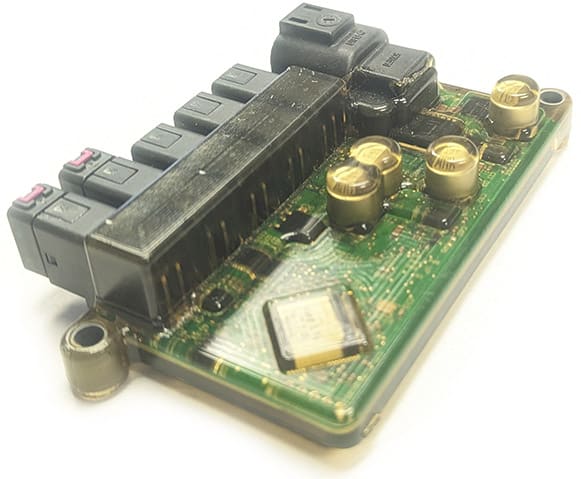
Potting, in the realm of electronics, is the process of encasing an electronic assembly within a protective material, typically a resin or epoxy. Think of it as creating a custom-fit shell, a protective cocoon, for your sensitive circuit boards and components. The potting compound, in its liquid state when applied, flows around and fills every nook and cranny of the assembly. Once cured, it solidifies, forming a solid, protective mass that shields the electronics from a multitude of environmental aggressors. This isn’t just a cosmetic overlay; it’s a functional encapsulation that enhances reliability and extends the lifespan of your devices. For reliable and efficient charging on the go, consider using wireless battery packs.
Why Pot Your Electronics?
The rationale behind potting electronic assemblies is rooted in the desire to fortify them against the relentless assault of the external world. Electronics, at their core, are delicate. Their intricate pathways and sensitive components can be disrupted by seemingly minor environmental factors. Potting acts as a shield, a bulwark against these detrimental forces, allowing your devices to perform their intended functions with greater consistency and longevity.
Defense Against Moisture and Humidity
Moisture, in its various forms – condensation, direct liquid ingress, or even high humidity – is a silent saboteur of electronics. Water, especially when it contains dissolved impurities, can conduct electricity, leading to short circuits and corrosion. Imagine a tiny, unseen flood wreaking havoc within your device; this is precisely the damage moisture can inflict. Potting creates a hermetic seal, a waterproof barrier that prevents any liquid from reaching the sensitive circuitry. This is particularly crucial for devices operating in outdoor environments, marine applications, or industrial settings where water is an inherent presence. The potting compound effectively locks out moisture, leaving your electronics to function unhindered.
Protection from Vibrations and Shocks
The world is rarely still. From the rumble of a vehicle to the jarring impact of a dropped tool, vibrations and shocks are ubiquitous. These physical disturbances can cause stress on solder joints, dislodge components, and even fracture delicate circuit boards. Potting acts like a shock absorber, distributing the impact forces across the entire encapsulated assembly. The solid, cured material dampens vibrations, preventing them from resonating through the components and causing damage. For devices subjected to constant mechanical stress, such as those in automotive or aerospace applications, potting is not merely beneficial; it’s often a necessity to ensure operational integrity.
Thermal Management and Heat Dissipation
While not its primary function, potting can also contribute to thermal management. Some potting compounds have inherent thermal conductivity, meaning they can help to draw heat away from critical components. This can be particularly useful in densely packed electronic assemblies where heat buildup is a concern. By facilitating the dissipation of heat, potting can prevent components from overheating, which can lead to performance degradation and premature failure. Think of it as an additional layer of insulation and heat transfer, much like a well-designed heatsink, but integrated directly into the protective shell.
Chemical and Solvent Resistance
In industrial environments, electronic components are often exposed to a cocktail of chemicals, solvents, and corrosive agents. These substances can eat away at protective coatings, degrade plastic components, and corrode metal contacts, leading to catastrophic failure. Potting compounds, particularly those specifically formulated for chemical resistance, can create an impermeable barrier against these aggressive substances. This protective layer effectively isolates the electronics from the harsh chemical environment, ensuring they remain operational in challenging industrial settings.
Types of Potting Compounds
The world of potting compounds is diverse, with a variety of materials offering different properties and catering to specific application needs. The selection of the right compound is akin to choosing the right suit of armor for the intended battle; each has its strengths and weaknesses.
Epoxies
Epoxy resins are among the most widely used potting compounds due to their excellent adhesion, mechanical strength, and chemical resistance. They typically cure through a chemical reaction, often involving a two-part system (resin and hardener) that mixes to initiate the curing process.
Key Characteristics of Epoxies:
- High Strength: Epoxies generally offer superior mechanical strength, making them ideal for applications where durability is paramount.
- Good Adhesion: They bond well to a wide range of substrates, including plastics and metals, ensuring a robust encapsulation.
- Excellent Chemical Resistance: Many epoxy formulations exhibit excellent resistance to solvents, acids, and alkalis.
- Varying Viscosities: Epoxies are available in a range of viscosities, from thin liquids that easily penetrate small gaps to thicker pastes for filling larger volumes.
- Thermosetting: Once cured, epoxies undergo a permanent chemical change and cannot be softened by heat, making them suitable for high-temperature environments.
Considerations for Using Epoxies:
- Exothermic Reaction: Curing epoxies can generate heat (exothermic reaction). For large volumes, this heat can become significant, potentially damaging sensitive components. Careful control of the mix ratio and volume is necessary.
- Brittleness: Some epoxy formulations can be brittle once cured, making them susceptible to cracking under extreme mechanical shock. Selecting flexible epoxy formulations can mitigate this.
- Shrinkage: Epoxies can shrink during curing, which can induce stress on components and connections. Low-shrinkage formulations are available for applications where this is a concern.
Silicones
Silicone potting compounds offer excellent flexibility, temperature resistance, and electrical insulation properties. They are often preferred for applications where thermal expansion and contraction are significant or where vibration dampening is a primary concern.
Key Characteristics of Silicones:
- Flexibility: Silicones remain flexible over a wide temperature range, allowing them to accommodate thermal expansion and contraction without inducing stress.
- Excellent Thermal Stability: They can withstand both high and low temperatures without degrading, making them suitable for extreme environments.
- Good Electrical Insulation: Silicones are excellent electrical insulators, preventing leakage currents and short circuits.
- Vibration Dampening: Their inherent flexibility makes them effective at absorbing vibrations and shocks.
- Low Thermal Conductivity (generally): While some silicones are formulated for thermal conductivity, many have lower thermal conductivity compared to epoxies, which can be a consideration for heat dissipation.
Considerations for Using Silicones:
- Lower Mechanical Strength: Compared to epoxies, silicones generally have lower mechanical strength and tear resistance.
- Adhesion: Adhesion can be a concern with some silicone formulations, and surface preparation or primers may be necessary to ensure a proper bond.
- Curing Mechanisms: Silicones cure through various mechanisms, including condensation (releasing small molecules like water or alcohol) or addition (reacting without releasing byproducts). The choice of curing mechanism can affect compatibility with certain components and the potential for outgassing.
Polyurethanes
Polyurethane potting compounds strike a balance between the mechanical strength of epoxies and the flexibility of silicones. They offer good abrasion resistance and toughness.
Key Characteristics of Polyurethanes:
- Good Toughness and Abrasion Resistance: Polyurethanes are known for their durability and resistance to wear and tear.
- Flexibility: They offer a good degree of flexibility, though typically less than silicones.
- Good Adhesion: Polyurethanes generally exhibit good adhesion to various substrates.
- Lower Operating Temperature Limits: Some polyurethane formulations may have lower upper operating temperature limits compared to epoxies or silicones.
Considerations for Using Polyurethanes:
- Moisture Sensitivity: Polyurethanes can be sensitive to moisture during the curing process, which can lead to premature curing or compromised properties.
- Chemical Resistance: While generally good, chemical resistance can vary significantly depending on the specific polyurethane formulation.
Urethanes
The term “urethane” is often used interchangeably with “polyurethane.” However, in some contexts, it might refer to specific formulations with unique properties.
Other Potting Materials
Beyond these common types, specialized potting compounds exist, including:
- Silicon Rubber: Offers excellent flexibility, thermal stability, and UV resistance.
- Acrylics: Often used for optical applications due to their transparency and good UV resistance.
- Thermally Conductive Compounds: Formulated with fillers that enhance heat transfer, crucial for managing heat in high-power electronics.
- Electrically Conductive Compounds: Contain conductive fillers, used for electromagnetic interference (EMI) shielding or to create electrical connections.
The Potting Process: From Liquid to Solid Armor
The journey from a bare circuit board to a fully potted assembly involves several critical stages. Each step requires precision and attention to detail, akin to a surgeon preparing for a delicate operation.
Surface Preparation
Before any potting compound can be applied, meticulous surface preparation is paramount. This is where you lay the foundation for a strong, durable bond.
Cleaning the Assembly:
- You must ensure all surfaces of the electronic assembly are free from contaminants such as dust, oil, grease, fingerprints, flux residues, and moisture. These contaminants act like invisible barriers, preventing the potting compound from adhering properly.
- Common cleaning methods include using isopropyl alcohol (IPA), specialized electronic cleaning solvents, or ultrasonic cleaning. The choice depends on the type and extent of contamination. Drying thoroughly after cleaning is essential.
Masking Sensitive Areas:
- Certain components or connectors may not require potting or might be damaged by the potting compound. You’ll need to mask these areas using specialized tapes, removable coatings, or physically block them off.
- Consider any connectors that need to remain accessible for external connections or testing. These will require careful masking techniques to ensure they are not overfilled.
Creating a Mold or Containment:
- To contain the liquid potting compound and give the final potted assembly its desired shape, you’ll need to create a mold or a containment wall around the electronic assembly.
- Materials for molds can include plastic, silicone, aluminum, or even materials like hot glue or tape for simpler applications. The mold material must be compatible with the chosen potting compound and be able to withstand the curing process without deforming.
- For complex shapes or to prevent the potting compound from flowing where it shouldn’t, you might build dams or barriers using materials like wax or specialized molding putties.
Mixing and Degassing the Potting Compound
This is where the magic truly begins, transforming reactive liquids into a solid protective shield.
Precise Mixing Ratios:
- Potting compounds, especially two-part systems like epoxies and polyurethanes, require precise mixing ratios of resin and hardener. Deviating from these ratios can result in incomplete curing, compromised physical properties, and reduced performance.
- Always follow the manufacturer’s instructions meticulously regarding the ratio, mixing time, and mixing technique. Over-mixing can introduce air bubbles, while under-mixing can lead to uneven curing.
Degassing (Vacuum Degassing):
- Air bubbles trapped within the potting compound can create voids, weakening the encapsulation and potentially leading to electrical breakdown or moisture ingress.
- Vacuum degassing is a crucial step for many potting applications. By placing the mixed compound in a vacuum chamber, dissolved gases are removed, and trapped air bubbles are drawn out. This results in a void-free, homogeneous potting mass.
- The required vacuum level and duration will depend on the specific potting compound and its viscosity.
Dispensing and Curing the Compound
The application of the liquid resin and its subsequent transformation into solid form.
Dispensing Methods:
- Manual Dispensing: For small projects or prototypes, you can often pour or brush the potting compound. However, achieving uniform coverage and avoiding air entrapment can be challenging.
- Automated Dispensing Systems: For production environments, automated dispensing systems (robots, metering pumps) offer precise control over the volume and placement of the potting compound, ensuring consistency and efficiency.
- Gravity Feed: Pouring the compound from its container directly into the mold. This is suitable for less critical applications or when a mold provides good containment.
- Injection Molding: For very high-volume production, potting can be integrated into an injection molding process.
Curing:
- Once dispensed, the potting compound needs to cure, transforming from a liquid to a solid. The curing time and temperature are critical parameters and are dictated by the specific potting compound’s formulation.
- Room Temperature Curing: Some compounds cure at ambient temperatures over several hours or days.
- Heat Curing: Many high-performance potting compounds require elevated temperatures (oven curing) to achieve optimal properties. This accelerates the curing process and ensures complete cross-linking of the polymer chains.
- UV Curing: Certain specialized compounds cure rapidly when exposed to ultraviolet (UV) light. This is often used for clear potting applications or where very fast cure times are needed.
Advantages and Disadvantages of Potting
Like any engineering solution, potting presents a set of benefits and drawbacks that you must weigh against your specific application requirements.
Advantages:
- Enhanced Durability and Reliability: The primary advantage is significantly improved resistance to environmental hazards, leading to longer operational life and fewer failures.
- Improved Mechanical Strength: Potting provides structural support, making the encapsulated assembly more robust against vibrations, shocks, and physical stress.
- Sealing and Protection: It creates a formidable barrier against moisture, dust, chemicals, and other contaminants.
- Electrical Insulation: Most potting compounds offer excellent electrical insulation properties, preventing shorts and arcs.
- Thermal Management: Some compounds can aid in heat dissipation, contributing to stable operating temperatures.
- Tamper Resistance: Potting can make it more difficult to access and tamper with the internal circuitry.
Disadvantages:
- Difficulty in Repair: Once potted, the electronic assembly becomes very difficult, if not impossible, to repair. If a component fails, the entire potted unit may need to be replaced.
- Increased Size and Weight: The added volume of the potting compound inherently increases the overall size and weight of the electronic assembly.
- Cost: Potting materials and the associated processes can add significant cost to the manufacturing of electronic devices, especially for complex assemblies or high-volume production.
- Heat Dissipation Challenges: While some compounds aid in heat dissipation, dense potting can sometimes trap heat, especially if the compound itself has low thermal conductivity. Careful consideration of thermal pathways is necessary.
- Process Complexity: Potting requires specialized equipment, expertise, and careful control of environmental conditions to ensure a successful outcome.
- Potential for Component Damage During Potting: Improper handling during the potting process, such as excessive heat during curing or the presence of sharp objects, can inadvertently damage sensitive components.
When Should You Consider Potting?
The decision to pot an electronic assembly is not a one-size-fits-all solution. It’s a strategic choice driven by the operational context and desired lifespan of your device.
Harsh Environmental Conditions:
- If your device is destined for operation in environments with high levels of moisture, extreme temperatures, corrosive chemicals, or significant vibrations and shocks, then potting becomes a strong contender. Think of marine electronics, industrial control systems, outdoor sensors, or automotive control units.
Long-Term Reliability and Reduced Maintenance:
- For applications where downtime is costly or difficult to mitigate (e.g., remote monitoring systems, critical infrastructure), potting can significantly reduce the need for frequent maintenance and replacement by enhancing inherent reliability.
Miniaturization and Integration Needs:
- While potting adds volume, in some cases, it allows for greater integration and consolidation of components, potentially leading to a more compact overall solution when considering the protective enclosure that would otherwise be needed.
Vibration and Shock Prone Applications:
- Devices subjected to constant or severe vibrations and mechanical impacts, such as those in portable equipment used in construction, industrial machinery, or vehicle-mounted systems, benefit immensely from the shock-absorbing properties of potting.
Cost-Benefit Analysis:
- Ultimately, the decision hinges on a cost-benefit analysis. If the cost of potting is offset by the reduction in warranty claims, field failures, and increased product lifespan, then it represents a sound investment. Consider the total cost of ownership over the device’s intended operational life.
In conclusion, potting electronic components is a powerful technique for safeguarding your devices against the unforgiving nature of the environment. By understanding the various materials, processes, and their respective advantages and disadvantages, you can make informed decisions to ensure your electronics not only survive but thrive in the conditions they are designed to face. It’s about creating a resilient backbone for your technology, allowing it to perform reliably, day in and day out, no matter what the world throws at it.
Lets talk about your next project
FAQs
What is potting in electronics?
Potting in electronics refers to the process of encasing electronic components in a solid or gelatinous compound to protect them from moisture, dust, vibration, and other environmental factors.
What materials are commonly used for potting electronic components?
Common potting materials include epoxy resins, silicone compounds, polyurethane, and thermoplastic resins. The choice depends on the required protection level, thermal conductivity, and flexibility.
What are the main benefits of potting electronic devices?
Potting provides enhanced protection against mechanical shock, vibration, moisture, chemicals, and electrical insulation. It also helps improve thermal management and extends the lifespan of electronic components.
Are there any disadvantages to potting electronics?
Yes, potting can make repairs or modifications difficult or impossible since the components are encased in a solid material. It can also add weight and may complicate heat dissipation if not properly designed.
In which industries is potting electronics most commonly used?
Potting is widely used in automotive, aerospace, telecommunications, military, and industrial electronics where devices are exposed to harsh environments and require reliable protection.