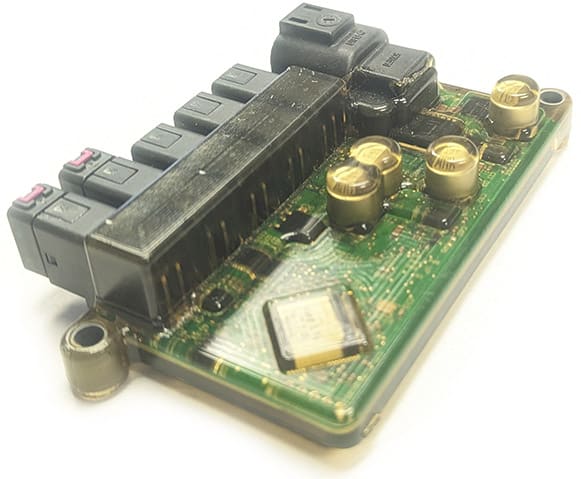

Potting compounds are specialized materials used to encapsulate electronic components, providing protection against environmental factors such as moisture, dust, and mechanical stress. These compounds are typically made from epoxy, silicone, or polyurethane resins, each offering unique properties that cater to different applications. The primary purpose of potting is to enhance the reliability and longevity of electronic devices by creating a barrier that shields sensitive components from external elements.
This encapsulation process not only protects the components but also aids in thermal management, vibration dampening, and electrical insulation. The formulation of potting compounds can vary significantly based on the intended application. For instance, some potting compounds are designed to cure quickly, making them ideal for high-volume production environments where time is of the essence.
Others may be engineered for high-temperature applications, ensuring that they maintain their integrity even under extreme conditions. Understanding the chemical composition and curing mechanisms of these compounds is crucial for selecting the right material for specific applications. Additionally, potting compounds can be tailored with additives to enhance properties such as flame resistance, flexibility, or conductivity, further broadening their applicability in various industries.
Key Takeaways
- Potting compounds protect electronic components by providing insulation and environmental resistance.
- Selecting the appropriate potting compound depends on factors like thermal conductivity, flexibility, and chemical resistance.
- Proper application techniques ensure complete coverage and prevent voids that can compromise performance.
- Using potting compounds enhances thermal management, durability, and overall device reliability.
- Avoid common mistakes such as improper mixing, inadequate curing, and insufficient testing to ensure quality results.
Choosing the Right Potting Compound for Your Application
Selecting the appropriate potting compound requires a thorough understanding of the specific requirements of the application at hand. Factors such as operating temperature range, exposure to chemicals, and mechanical stress must be considered. For example, in automotive applications where components may be subjected to high temperatures and vibrations, a high-performance epoxy potting compound may be preferred due to its excellent thermal stability and mechanical strength.
Conversely, in consumer electronics where flexibility and ease of application are paramount, a silicone-based potting compound might be more suitable. Another critical aspect to consider is the curing time and method of the potting compound. Some applications may necessitate rapid curing to minimize downtime in production processes.
In such cases, fast-curing epoxy formulations can significantly enhance productivity. On the other hand, if the application allows for longer processing times, a slower-curing compound may provide better flow characteristics and fill capabilities, ensuring complete encapsulation of intricate geometries. Additionally, it is essential to evaluate the potting compound’s viscosity and its ability to flow into tight spaces without trapping air bubbles, which can compromise the protective qualities of the encapsulation.
Proper Application Techniques for Potting Compound
The application of potting compounds requires meticulous attention to detail to ensure optimal performance and reliability. One of the most critical steps in the application process is surface preparation. Components must be cleaned thoroughly to remove any contaminants such as dust, grease, or moisture that could interfere with adhesion.
Depending on the material being potted, surface treatments such as sanding or priming may be necessary to enhance bonding between the potting compound and the substrate. Once the surfaces are prepared, the mixing and dispensing of the potting compound must be executed with precision. Many potting compounds are two-part systems that require accurate measurement and thorough mixing to achieve the desired properties.
Inadequate mixing can lead to incomplete curing or compromised mechanical properties. For larger applications or complex geometries, automated dispensing systems can ensure consistent application and minimize human error. It is also crucial to monitor environmental conditions such as temperature and humidity during application, as these factors can significantly influence curing times and final properties.
Benefits of Using Potting Compound for Performance Maximization
The use of potting compounds offers numerous advantages that contribute to performance maximization in electronic devices. One of the most significant benefits is enhanced protection against environmental factors. By encapsulating sensitive components, potting compounds prevent moisture ingress, which can lead to corrosion and electrical failures.
This is particularly important in outdoor applications or environments with high humidity levels where traditional protective measures may fall short. In addition to environmental protection, potting compounds also provide excellent thermal management capabilities. Many formulations are designed to have high thermal conductivity, allowing for efficient heat dissipation from electronic components.
This is crucial in high-power applications where overheating can lead to reduced performance or even catastrophic failure. Furthermore, potting compounds can help dampen vibrations and mechanical shocks, which is essential for maintaining the integrity of delicate components in rugged environments. By addressing these critical factors, potting compounds play a vital role in extending the lifespan and reliability of electronic devices.
Common Mistakes to Avoid When Using Potting Compound
| Property | Typical Value | Unit | Description |
|---|---|---|---|
| Dielectric Strength | 15-25 | kV/mm | Ability to withstand electric field without breakdown |
| Thermal Conductivity | 0.2-0.5 | W/m·K | Heat transfer capability |
| Shore Hardness | 30-80 | Shore A | Material hardness after curing |
| Operating Temperature Range | -40 to 150 | °C | Temperature range for stable operation |
| Cure Time | 4-24 | hours | Time required for full curing at room temperature |
| Volume Resistivity | 1×10¹⁴ – 1×10¹⁶ | ohm·cm | Electrical resistance of the material |
| Coefficient of Thermal Expansion | 30-70 | µm/m·°C | Expansion rate with temperature change |
Despite their advantages, there are several common pitfalls that manufacturers should avoid when using potting compounds. One frequent mistake is neglecting proper surface preparation before application. Failing to clean or treat surfaces adequately can lead to poor adhesion and compromised performance of the potting compound.
It is essential to follow manufacturer guidelines regarding surface preparation techniques to ensure optimal bonding. Another common error is miscalculating the amount of potting compound required for an application. Underfilling can leave sensitive components exposed, while overfilling can lead to excess material that may interfere with device functionality or aesthetics.
Accurate measurement and careful planning are crucial in determining the right volume of material needed for each specific application. Additionally, manufacturers should be cautious about mixing ratios when dealing with two-part systems; incorrect ratios can result in incomplete curing or subpar mechanical properties.
Testing and Quality Assurance for Potting Compound Applications
Testing and quality assurance are integral components of any manufacturing process involving potting compounds. To ensure that the encapsulated components meet performance standards, various tests should be conducted throughout the production cycle. These tests may include thermal cycling tests to evaluate how well the potting compound withstands temperature fluctuations, as well as humidity tests to assess moisture resistance.
Moreover, mechanical testing is essential for determining the strength and durability of the potting compound under stress. Techniques such as tensile testing or impact testing can provide valuable insights into how well the encapsulated components will perform in real-world conditions. Implementing a robust quality assurance program not only helps identify potential issues early in the production process but also ensures that end products meet industry standards and customer expectations.
Maximizing Thermal Management with Potting Compound
Effective thermal management is critical in electronic applications where heat generation can significantly impact performance and reliability. Potting compounds designed with high thermal conductivity can facilitate heat dissipation from components such as power transistors or LED drivers, preventing overheating and ensuring optimal operation. The choice of filler materials within the potting compound plays a pivotal role in enhancing thermal conductivity; materials such as aluminum oxide or boron nitride are often incorporated to achieve desired thermal properties.
In addition to selecting thermally conductive materials, proper application techniques also contribute to effective thermal management. Ensuring complete encapsulation without air voids is essential; trapped air can act as an insulator, hindering heat transfer away from critical components. Manufacturers should consider using vacuum degassing techniques during the mixing process to eliminate air bubbles before application.
By prioritizing both material selection and application methods, manufacturers can significantly enhance thermal management capabilities through effective use of potting compounds.
Case Studies: Successful Applications of Potting Compound for Performance Enhancement
Numerous industries have successfully leveraged potting compounds to enhance performance across a variety of applications. In aerospace engineering, for instance, potting compounds have been utilized to protect sensitive avionics from harsh environmental conditions encountered during flight operations. By encapsulating critical electronic components within a robust potting material, manufacturers have achieved significant improvements in reliability and longevity, reducing maintenance costs associated with component failures.
In another example from the automotive sector, electric vehicle manufacturers have adopted advanced potting compounds to safeguard battery management systems from moisture and vibration damage. The use of specialized epoxy formulations has enabled these systems to operate efficiently under extreme conditions while maintaining safety standards. These case studies illustrate how strategic use of potting compounds not only enhances performance but also contributes to overall system reliability across diverse applications in various industries.