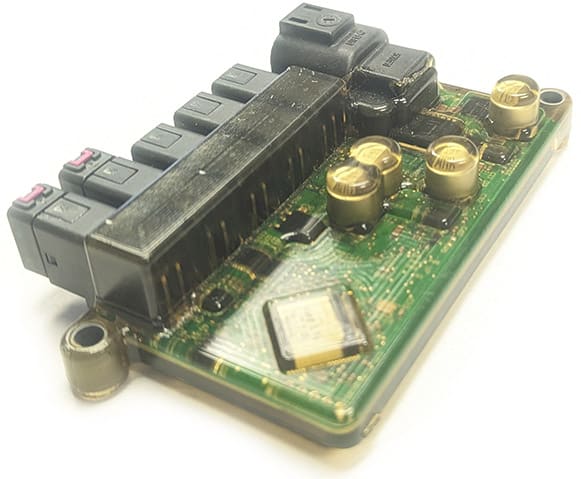
Insert molding is a manufacturing process that combines injection molding with the integration of pre-formed components, called inserts, into molded parts. This technique enables the production of complex components that incorporate multiple materials and functions within a single manufacturing operation. Insert molding services are utilized across numerous industries, including automotive, consumer electronics, medical devices, and industrial equipment manufacturing.
The insert molding process involves positioning an insert—typically made from metal, plastic, ceramic, or other materials—into a mold cavity prior to plastic injection. Molten plastic is then injected into the mold, flowing around the insert and forming a mechanical and chemical bond as the material cools and solidifies. The result is a unified component that combines the properties and advantages of both the insert material and the molded plastic.
This manufacturing method offers several benefits including enhanced part performance, reduced assembly requirements, improved structural integrity, and cost efficiency through consolidated manufacturing steps. Insert molding eliminates the need for secondary assembly operations such as welding, bonding, or mechanical fastening, while providing superior dimensional accuracy and consistency compared to multi-step assembly processes.
Key Takeaways
- Insert molding integrates metal or plastic inserts into molded parts for enhanced functionality.
- Benefits include improved strength, reduced assembly time, and cost savings.
- Design must consider insert placement, material compatibility, and molding process parameters.
- Selecting appropriate materials is crucial for durability and performance.
- Partnering with experienced insert molding providers ensures quality, efficiency, and cost-effectiveness.
Advantages of Insert Molding
One of the most significant advantages of insert molding is its ability to streamline production processes. By combining multiple manufacturing steps into one, you can significantly reduce lead times and labor costs. Instead of creating separate components that require assembly later, insert molding allows you to produce a single part that is ready for use right out of the mold.
This efficiency not only saves time but also minimizes the potential for errors during assembly, leading to higher quality products. Another key benefit is the enhanced durability and performance of the final product. When you incorporate inserts made from materials like metal or ceramic into a plastic part, you can achieve superior strength and resistance to wear and tear.
This is particularly advantageous in applications where components are subjected to high stress or harsh environments. The ability to create complex geometries and integrate different materials also means that you can design parts that are lighter yet stronger, which is a critical consideration in industries such as aerospace and automotive.
Design Considerations for Insert Molding
When embarking on a project that involves insert molding, careful design considerations are paramount. The geometry of both the insert and the molded part must be meticulously planned to ensure proper fit and function. You need to consider how the insert will be positioned within the mold and how the molten plastic will flow around it.
This requires a deep understanding of material properties and flow dynamics to avoid issues such as incomplete filling or air entrapment. Additionally, you should think about the thermal properties of both the insert and the plastic material being used. Different materials expand and contract at varying rates when heated or cooled, which can lead to warping or misalignment if not accounted for in the design phase.
Collaborating closely with engineers and designers who specialize in insert molding can help you navigate these complexities and create a product that meets your specifications while maintaining manufacturability.
Material Selection for Insert Molding
Choosing the right materials for both the inserts and the molded components is critical to the success of your insert molding project. The selection process should be guided by the specific requirements of your application, including mechanical strength, thermal stability, and chemical resistance. For instance, if your product will be exposed to harsh chemicals or extreme temperatures, you’ll need to select materials that can withstand those conditions without degrading.
In addition to performance characteristics, you should also consider factors such as cost and availability when selecting materials. While high-performance materials may offer superior properties, they can also significantly increase production costs. Striking a balance between performance and budget is essential for ensuring that your project remains viable.
Engaging with suppliers who have expertise in material science can provide valuable insights into which combinations will yield the best results for your specific needs.
Maximizing Efficiency in Production
| Metric | Description | Typical Value | Unit |
|---|---|---|---|
| Material Compatibility | Types of materials that can be used in insert molding | Thermoplastics, Thermosets, Metals | – |
| Insert Size Range | Typical size range of inserts that can be molded | 1 – 100 | mm |
| Cycle Time | Average time to complete one molding cycle | 30 – 90 | seconds |
| Tolerances | Dimensional accuracy achievable in insert molding | ±0.05 – ±0.1 | mm |
| Insert Placement Accuracy | Precision of insert positioning within the mold | ±0.1 | mm |
| Production Volume | Typical production volume range suitable for insert molding | 1000 – 1,000,000+ | units |
| Insert Material Types | Common materials used for inserts | Metal, Ceramic, Plastic | – |
| Insert Molding Cost | Cost factors affecting insert molding services | Material, Complexity, Volume | – |
| Lead Time | Typical lead time from design to production | 2 – 8 | weeks |
To maximize efficiency in your insert molding production process, it’s essential to focus on optimizing every aspect of manufacturing. This begins with selecting advanced machinery that can handle the complexities of insert molding with precision and speed. Investing in high-quality injection molding machines equipped with features such as temperature control and automated handling systems can significantly enhance production rates while maintaining quality.
Moreover, implementing lean manufacturing principles can help streamline operations further. By analyzing workflows and identifying areas where waste occurs—whether in time, materials, or labor—you can make informed adjustments that improve overall efficiency. Regular training for your team on best practices in insert molding can also foster a culture of continuous improvement, ensuring that everyone is aligned toward achieving optimal production outcomes.
Quality Control in Insert Molding
Quality control is a critical component of any manufacturing process, but it takes on added significance in insert molding due to the complexity of integrating multiple materials. Establishing robust quality control measures from the outset can help you identify potential issues before they escalate into costly problems. This includes conducting thorough inspections at various stages of production, from raw material selection to final product testing.
Utilizing advanced inspection technologies such as automated vision systems or non-destructive testing methods can enhance your quality assurance efforts. These tools allow for real-time monitoring of production quality, enabling you to catch defects early and make necessary adjustments on-the-fly. Additionally, fostering open communication with your production team about quality standards and expectations can create a shared commitment to excellence throughout the manufacturing process.
Cost Considerations for Insert Molding Services
While insert molding offers numerous advantages, it’s essential to consider the associated costs carefully. The initial investment in tooling and machinery can be significant, particularly if you are producing complex parts that require custom molds. However, these upfront costs can often be offset by the long-term savings achieved through reduced labor and assembly costs.
When evaluating costs, it’s also important to factor in material expenses and potential waste during production. Selecting materials that offer a good balance between performance and cost-effectiveness can help keep your project within budget. Additionally, working closely with your insert molding partner to optimize designs for manufacturability can lead to further cost reductions by minimizing scrap rates and maximizing yield.
Choosing the Right Insert Molding Partner
Selecting the right partner for your insert molding needs is crucial for ensuring project success. You should look for a company with extensive experience in insert molding services and a proven track record of delivering high-quality products on time. A reliable partner will not only have the technical expertise required but also be willing to collaborate closely with you throughout the design and production process.
Furthermore, consider their capabilities in terms of technology and equipment. A partner equipped with state-of-the-art machinery will be better positioned to handle complex projects efficiently while maintaining high standards of quality. Finally, don’t underestimate the importance of communication; a partner who values transparency and keeps you informed at every stage will contribute significantly to a smoother production experience.
In conclusion, understanding insert molding services involves recognizing their unique advantages, design considerations, material selection processes, efficiency maximization strategies, quality control measures, cost implications, and the importance of choosing the right partner. By taking these factors into account, you can leverage insert molding to create innovative products that meet your specific needs while optimizing production efficiency and quality.