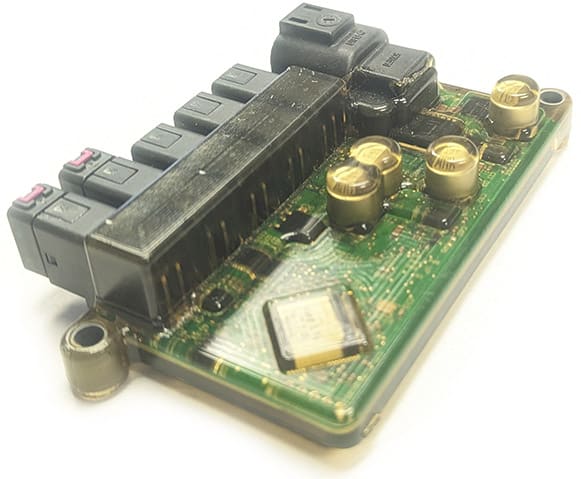
Low pressure injection molding (LPIM) is an advanced manufacturing process that has gained traction in various industries due to its unique advantages over traditional high-pressure methods. This technique involves injecting molten material into a mold cavity at significantly lower pressures, typically ranging from 10 to 50 psi, compared to the hundreds or thousands of psi used in conventional injection molding. The lower pressure not only reduces the risk of defects but also allows for the use of a wider range of materials, including thermoplastics and thermosets, which can be sensitive to high shear forces.
As industries continue to seek more efficient and cost-effective manufacturing solutions, LPIM stands out as a viable option that meets these demands. The process begins with the heating of raw materials until they reach a molten state, followed by the injection of this material into a mold. The mold is then cooled, allowing the material to solidify and take on the desired shape.
One of the key features of LPIM is its ability to produce complex geometries with intricate details, which is often challenging with traditional methods. This capability makes it particularly appealing for applications in sectors such as automotive, medical devices, and consumer goods, where precision and quality are paramount. As manufacturers increasingly prioritize sustainability and efficiency, LPIM presents an opportunity to reduce waste and energy consumption while maintaining high production standards.
Key Takeaways
- Low pressure injection molding offers a cost-effective and efficient alternative to traditional molding techniques.
- It provides advantages such as reduced tooling costs, lower stress on parts, and improved material flow.
- This method is widely used in automotive, electronics, and medical device manufacturing.
- Compared to traditional injection molding, it operates at lower pressures, minimizing wear and energy consumption.
- Future innovations are expected to enhance precision, material compatibility, and environmental sustainability in low pressure injection molding.
Advantages of Low Pressure Injection Molding
One of the most significant advantages of low pressure injection molding is its ability to minimize material waste. The lower injection pressures result in reduced shear stress on the material, which not only enhances the flow characteristics but also allows for better filling of intricate mold designs. This leads to fewer defects such as short shots or warping, which are common issues in high-pressure molding processes.
Consequently, manufacturers can achieve higher yields and lower scrap rates, translating into cost savings and improved profitability. Another notable benefit is the energy efficiency associated with LPIM. Traditional injection molding requires substantial energy input to maintain high pressures and temperatures throughout the process.
In contrast, LPIM operates at lower energy levels, which can significantly reduce operational costs over time. Additionally, the reduced cooling times associated with lower pressure processes can lead to shorter cycle times, further enhancing productivity. This efficiency not only benefits manufacturers economically but also aligns with growing environmental concerns, as reduced energy consumption contributes to a smaller carbon footprint.
Applications of Low Pressure Injection Molding in Manufacturing
Low pressure injection molding finds applications across a diverse range of industries due to its versatility and efficiency. In the automotive sector, for instance, LPIM is utilized for producing lightweight components that contribute to fuel efficiency without compromising safety or performance. Parts such as dashboards, interior trim pieces, and even certain structural components can be manufactured using this method, allowing for complex designs that meet stringent regulatory standards.
The medical device industry also benefits significantly from LPIM technology. The ability to create precise and intricate components is crucial in this field, where even minor defects can have serious implications for patient safety. LPIM is employed in the production of items such as syringes, surgical instruments, and implantable devices.
The process’s ability to handle biocompatible materials further enhances its appeal in medical applications, ensuring that products meet both functional and regulatory requirements.
Comparison of Low Pressure Injection Molding with Traditional Injection Molding
When comparing low pressure injection molding with traditional injection molding, several key differences emerge that highlight the advantages of LPIM. Traditional injection molding typically operates at much higher pressures, which can lead to increased wear and tear on machinery and molds. This not only raises maintenance costs but can also result in longer downtimes due to equipment failures or mold replacements.
In contrast, LPIM’s lower pressure requirements reduce stress on both machinery and molds, potentially extending their lifespan and reducing overall maintenance needs. Moreover, the material selection in LPIM is often broader than in traditional methods. While high-pressure processes may limit the types of materials that can be used due to their sensitivity to shear forces, LPIM accommodates a wider variety of polymers and composites.
This flexibility allows manufacturers to choose materials that best suit their specific application requirements without being constrained by processing limitations. Additionally, LPIM’s ability to produce complex geometries with fine details often results in superior surface finishes compared to traditional methods, enhancing the aesthetic appeal and functionality of the final products.
Key Considerations for Implementing Low Pressure Injection Molding
| Metric | Typical Range | Unit | Description |
|---|---|---|---|
| Injection Pressure | 5 – 50 | bar | Pressure used to inject material into the mold, significantly lower than traditional injection molding |
| Cycle Time | 20 – 60 | seconds | Time required to complete one molding cycle including injection, cooling, and ejection |
| Material Viscosity | 500 – 5000 | cP (centipoise) | Viscosity of the polymer or resin used, affecting flow and filling of the mold |
| Mold Temperature | 40 – 80 | °C | Temperature of the mold during the injection process |
| Shot Volume | 10 – 500 | cm³ | Volume of material injected per cycle |
| Clamping Force | 5 – 50 | tonnes | Force applied to keep the mold closed during injection |
| Cooling Time | 10 – 40 | seconds | Time allowed for the molded part to solidify before ejection |
| Typical Part Weight | 5 – 200 | grams | Weight of the molded part produced by low pressure injection molding |
Implementing low pressure injection molding requires careful consideration of several factors to ensure successful integration into existing manufacturing processes. One critical aspect is the selection of appropriate materials that can withstand the lower pressures while still achieving the desired mechanical properties. Manufacturers must conduct thorough testing and validation of materials to ensure compatibility with LPIM processes and end-use applications.
Another important consideration is the design of molds specifically tailored for low pressure applications. Molds must be engineered to accommodate the unique flow characteristics associated with LPIM, which may differ from those used in traditional high-pressure molding. This includes optimizing gate design, runner systems, and cooling channels to ensure efficient material flow and heat dissipation during the molding cycle.
Additionally, training personnel on the nuances of LPIM technology is essential for maximizing its benefits and minimizing potential issues during production.
Case Studies of Successful Implementation of Low Pressure Injection Molding

Several companies have successfully implemented low pressure injection molding techniques to enhance their manufacturing capabilities and improve product quality. For example, a leading automotive manufacturer adopted LPIM for producing lightweight interior components that required intricate designs while maintaining structural integrity. By transitioning from traditional high-pressure methods to LPIM, the company achieved a significant reduction in material waste and cycle times, resulting in cost savings and improved production efficiency.
In another case, a medical device company utilized low pressure injection molding to manufacture precision components for surgical instruments. The ability to produce complex geometries with tight tolerances allowed them to meet stringent regulatory requirements while ensuring patient safety. The transition not only improved product quality but also streamlined their production process, enabling faster time-to-market for new devices.
Future Trends and Innovations in Low Pressure Injection Molding
As technology continues to evolve, low pressure injection molding is poised for further advancements that will enhance its capabilities and applications. One emerging trend is the integration of automation and Industry 4.0 principles into LPIM processes. By incorporating smart sensors and data analytics into manufacturing operations, companies can optimize production parameters in real-time, leading to improved efficiency and reduced downtime.
Additionally, advancements in material science are likely to expand the range of polymers suitable for low pressure injection molding. Researchers are exploring new formulations that offer enhanced performance characteristics while remaining compatible with LPIM processes. This could open up new possibilities for applications in industries such as aerospace and electronics, where lightweight yet durable components are increasingly in demand.
The Impact of Low Pressure Injection Molding on the Manufacturing Industry
Low pressure injection molding represents a significant advancement in manufacturing technology that addresses many challenges faced by traditional methods. Its ability to reduce material waste, enhance energy efficiency, and accommodate complex designs makes it an attractive option for various industries. As manufacturers continue to seek innovative solutions that align with sustainability goals and operational efficiency, LPIM stands out as a transformative process that can reshape production methodologies across sectors.
The ongoing development of new materials and technologies will likely further enhance the capabilities of low pressure injection molding, making it an even more integral part of modern manufacturing strategies. As companies embrace these innovations, they will not only improve their competitive edge but also contribute positively to environmental sustainability efforts within their industries. The impact of low pressure injection molding on manufacturing is profound, paving the way for a more efficient and responsible future in production practices.