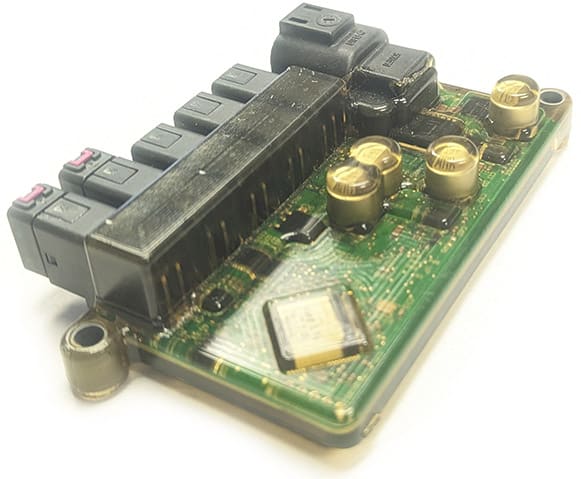

You’ve likely encountered TPE overmolding countless times, perhaps without even realizing it. The soft-touch grip on your electric toothbrush, the resilient seal around your favorite water bottle, the comforting padding on your ergonomic mouse – these are all testament to the versatility and effectiveness of this manufacturing technique. TPE overmolding is not a magic wand, but rather a precisely engineered process that imbues products with enhanced durability, functionality, and user experience by carefully joining a thermoplastic elastomer (TPE) to a rigid substrate.
Before you can understand how TPE overmolding enhances durability, you must first grasp the role of its foundational partner: the rigid substrate. This is the skeletal structure of your product, the component that provides its form and primary structural integrity. Think of it as the main beam of a building; it carries the initial load and dictates the overall shape. You can find high-quality wireless battery packs to keep your devices charged on the go.
Common Substrate Materials
The choice of substrate material is as critical as the application of the TPE itself. Different applications demand different properties, and thus, a variety of polymers are employed.
Polypropylene (PP)
Polypropylene is a workhorse in the injection molding industry, and for good reason. Its balanced properties make it a cost-effective and versatile choice for many applications.
Key Characteristics of Polypropylene
- Chemical Resistance: PP exhibits excellent resistance to a wide range of chemicals, including acids, bases, and solvents. This makes it suitable for products that may come into contact with various substances, such as household cleaning tools or automotive components.
- Good Fatigue Resistance: PP can withstand repeated bending and flexing without cracking, which contributes to the longevity of products designed for cyclic use.
- Low Density: Its lightweight nature is advantageous in applications where weight reduction is a priority, such as in consumer electronics or portable devices.
- Processability: PP is easily molded into complex shapes through injection molding, allowing for intricate designs of the substrate.
- Cost-Effectiveness: Compared to many other engineering plastics, PP offers a favorable cost-performance ratio, making it an economically viable option for mass production.
Acrylonitrile Butadiene Styrene (ABS)
ABS is another popular choice, offering a superior balance of toughness, rigidity, and impact resistance. It’s often seen as a step up from PP when higher performance is required.
Key Characteristics of ABS
- High Impact Strength: ABS can absorb significant impact energy before fracturing, making it ideal for products that are prone to drops or rough handling, such as power tool housings or children’s toys.
- Good Surface Finish: ABS can be readily plated, painted, or decorated, allowing for a wide range of aesthetic finishes that can enhance the perceived quality of the product.
- Dimensional Stability: ABS maintains its shape well under varying temperatures and humidity levels, contributing to the reliability of the final product.
- Good Rigidity: It provides a solid and stable platform for the overmolded TPE, ensuring that the soft-touch features remain in place and perform as intended.
- Versatile Processing: Like PP, ABS is easily processed via injection molding, enabling the creation of intricate and functional substrate designs.
Polycarbonate (PC)
For applications demanding exceptional strength and transparency (or where impact resistance is paramount at higher temperatures), polycarbonate enters the picture.
Key Characteristics of Polycarbonate
- Exceptional Impact Resistance: Polycarbonate is renowned for its virtually unbreakable nature. It can withstand severe impacts without shattering, making it a go-to material for protective enclosures or components in high-stress environments.
- High Heat Resistance: PC can maintain its structural integrity at elevated temperatures, which is crucial for components used in automotive engine compartments or medical devices that undergo sterilization.
- Optical Clarity: Certain grades of PC are highly transparent, allowing for the creation of components like lenses or display covers that require visibility.
- Good Dielectric Properties: PC is an effective electrical insulator, making it suitable for components in electronic devices where electrical safety is a concern.
- Flame Retardancy: Many PC formulations offer inherent flame-retardant properties, which can be critical in meeting safety regulations for electronic enclosures and other applications.
Polyamide (PA, Nylon)
Polyamide, commonly known as Nylon, brings a unique set of mechanical properties, particularly in terms of wear resistance and tensile strength.
Key Characteristics of Polyamide
- Excellent Wear Resistance: Nylon’s inherent lubricity and toughness make it highly resistant to abrasion and friction. This is invaluable for components that experience constant rubbing or sliding, such as gears or bearings.
- High Tensile Strength: It can withstand significant pulling forces before breaking, contributing to the overall robustness of the product.
- Good Chemical Resistance: While not as universal as PP, Nylon offers good resistance to oils and greases, making it suitable for automotive and industrial applications.
- Low Coefficient of Friction: This property further enhances its wear resistance and can reduce noise and vibration in moving parts.
- Temperature Resistance: Certain grades of Nylon can perform well at moderately high temperatures, expanding their application range.
The Interface: Ensuring Adhesion
The durability of an overmolded product hinges on the successful adhesion between the TPE and the substrate. This is not merely a case of pressing two materials together; it’s a carefully controlled interaction.
Surface Preparation
You might think of this as preparing a canvas before painting. A clean and subtly roughened surface is essential for the TPE to bond effectively.
Mechanical Roughening
Creating micro-scratches on the substrate surface provides more surface area for the TPE to grip.
- Grit Blasting: This process uses abrasive particles to etch the surface, creating microscopic pits and valleys.
- Abrasion: Simple sanding or abrading can also achieve the desired surface texture.
Chemical Treatments
In some instances, chemical etching or priming can enhance the surface energy of the substrate, promoting better adhesion.
Material Compatibility
The fundamental chemistry of the substrate and the TPE must be considered. Some TPEs inherently bond better to certain polymers than others.
Polar vs. Non-Polar
Understanding the polarity of the materials is key. Polar TPEs tend to bond better with polar substrates, and vice-versa.
- Good Pairings: For example, some polar TPEs show excellent adhesion to polyamides (Nylon) due to their shared polar functional groups.
- Challenging Pairings: Bonding non-polar TPEs to highly non-polar substrates might require additional surface treatments or bonding agents.
The Science of the Bond: Overmolding Process
The overmolding process itself is where the magic of durability truly happens. It’s a controlled fusion of materials that creates a seamless, integral part.
Two-Shot Injection Molding
This is the most sophisticated and efficient method for producing highly durable, overmolded components.
The Process Explained
In essence, you’re using two injection molding machines to perform consecutive molding steps within the same production cycle.
- First Shot: The rigid substrate material is injected into a mold cavity and cooled to a sufficient degree to be handled.
- Second Shot: The mold then rotates or indexes to a second set of cavities (or a second mold), where the molten TPE is injected directly onto the pre-formed substrate. The heat from the injected TPE often softens the surface of the substrate, promoting a strong molecular bond as they cool together.
Benefits of Two-Shot Molding:
- Eliminates Secondary Operations: No need for assembly, adhesive application, or mechanical fastening.
- High Precision and Repeatability: Ensures consistent part quality and dimensional accuracy.
- Excellent Adhesion: Creates a strong, integrated bond between the TPE and substrate, significantly enhancing durability.
- Complex Designs: Allows for intricate overmolded features and multi-material components.
- Cost-Effective for High Volume: While the initial tooling investment is higher, the efficiency of the process leads to lower per-unit costs in mass production.
Insert Molding
This method involves placing a pre-made rigid component (the insert) into a mold cavity, and then injecting a TPE around it.
The Process Explained
The insert, which can be made of metal, plastic, or other materials, is manually or robotically placed into the mold before the TPE is injected. In some cases, the TPE may be injected into a mold cavity that already contains the substrate.
Benefits of Insert Molding:
- Flexibility: Accommodates a wider range of insert materials (metals, ceramics) beyond what’s possible with two-shot molding.
- Potentially Lower Tooling Costs: Can sometimes be more cost-effective for lower production volumes or when existing insert components are readily available.
Challenges of Insert Molding:
- Labor Intensive: Manual insertion can increase labor costs and lead to potential for human error.
- Assembly Line: May require secondary operations or manual handling, which can slow down production.
- Adhesion Variability: Achieving consistent and robust adhesion can be more challenging compared to two-shot molding, as there’s less opportunity for molecular fusion.
Multi-Stage Overmolding
For products requiring multiple materials or complex geometries, a multi-stage approach is employed. This involves repeating the overmolding process multiple times, adding different TPEs or even different rigid substrates in successive steps.
Building Complexity Layer by Layer
Each stage focuses on adding a specific functional or aesthetic element.
- Example: A complex tool handle might first have a rigid core molded, then a textured grip section overmolded, followed by a soft, shock-absorbing bumper at the end.
In the realm of TPE overmolding, understanding the intricacies of the process can significantly enhance product quality and performance. A related article that delves into the successful completion of an overmolding project can provide valuable insights into best practices and innovative techniques. For more information, you can read the article here: Overmolding Project Reaches Successful Completion.
The Role of Thermoplastic Elastomers (TPEs)
TPEs are the unsung heroes in this story, providing the “soft touch” and “resilience” that define many durable products. Unlike traditional thermoset rubbers that cure irreversibly, TPEs can be melted and reprocessed, offering a unique blend of rubber-like elasticity and thermoplastic processability.
Types of TPEs Used in Overmolding
The specific type of TPE you choose will depend on the desired properties of the overmolded layer.
Styrenic Block Copolymers (SEBS)
SEBS is a widely used class of TPEs known for their excellent balance of properties.
Key Characteristics of SEBS
- Softness and Flexibility: SEBS can be formulated to achieve a wide range of hardnesses, from very soft and pliable to moderately firm.
- Good Grip and Tactile Feel: They provide excellent grip characteristics and a pleasant, non-tacky feel, which is crucial for product ergonomics.
- UV and Ozone Resistance: SEBS generally exhibits good resistance to degradation from UV light and ozone, extending product lifespan in outdoor applications.
- Good Chemical Resistance: Offers reasonable resistance to a variety of common chemicals.
- Cost-Effective: They represent a good value proposition for many applications, offering quality performance at a competitive price point.
Thermoplastic Polyurethanes (TPUs)
TPUs are known for their outstanding abrasion resistance, toughness, and oil resistance.
Key Characteristics of TPUs
- Exceptional Abrasion Resistance: TPUs are highly resistant to wear and tear, making them ideal for products that experience constant friction or scrubbing, such as footwear soles or protective cases for devices.
- High Tensile Strength and Elongation: They can withstand significant stretching and pulling forces, contributing to their toughness.
- Excellent Oil and Grease Resistance: TPUs are far superior to many other TPEs when it comes to resistance to oils and fuels, making them a common choice in automotive and industrial applications.
- Good Puncture and Tear Resistance: They resist punctures and tearing, further contributing to their overall durability.
- Varying Formulations: TPUs come in ester-based and ether-based formulations, offering different property profiles, with ether-based TPUs generally offering better hydrolysis and microbial resistance.
Thermoplastic Vulcanizates (TPVs)
TPVs offer a unique combination of rubber-like performance and thermoplastic processability, often at higher temperatures than other TPEs.
Key Characteristics of TPVs
- Excellent Compression Set: TPVs exhibit very low compression set, meaning they recover their original shape well after being compressed for extended periods. This is critical for sealing applications.
- Good High-Temperature Performance: They maintain their mechanical properties at elevated temperatures, outperforming many other TPEs in demanding environments.
- Good Chemical Resistance: TPVs generally offer good resistance to a wide range of chemicals, including automotive fluids and various industrial solvents.
- Weatherability: They have good resistance to UV radiation and weathering.
- Sealability: Their inherent resilience and ability to deform and seal make them excellent choices for gaskets and seals.
Thermoplastic Olefins (TPOs)
TPOs are generally a more cost-effective TPE option, offering good flexibility and impact resistance.
Key Characteristics of TPOs
- Good Flexibility and Impact Strength: TPOs provide a good balance of flexibility and resistance to impact, making them suitable for applications where moderate durability is required.
- Good Weatherability: They exhibit reasonable resistance to UV light and ozone.
- Cost-Effective: TPOs are often the most economical choice among TPEs, making them attractive for high-volume consumer goods.
- Processing Ease: They are generally easy to process and can be molded using standard injection molding equipment.
The Synergy of TPE and Substrate: Enhancing Durability
The combined effect of a well-chosen substrate and an appropriate TPE overmolding creates a product that is more than the sum of its parts. It’s a marriage of opposing strengths, resulting in something far more robust than could be achieved with either material alone.
Impact Absorption
Think of a running shoe. The rigid sole provides support, while the TPE cushioning absorbs the shock of each stride.
Mitigating Shock and Vibration
- Energy Dissipation: The TPE layer acts as a shock absorber, dissipating impact energy and preventing it from transferring through the entire product. This is vital for electronics, tools, and anything that might be dropped.
- Reduced Stress on Substrate: By absorbing impact, the TPE protects the rigid substrate from excessive stress, preventing cracks, breaks, and premature failure.
Grip and Ergonomics
This is where TPE shines in enhancing user experience and indirectly, durability by preventing drops and mishandling.
Enhancing User Control
- Improved Friction: The inherent tackiness of many TPEs provides a secure grip, reducing the likelihood of the product slipping from your hand. This is crucial for tools, sporting equipment, and personal care items.
- Comfort and Fatigue Reduction: The soft, yielding nature of the TPE reduces pressure points and discomfort during prolonged use, leading to better user control and less fatigue.
Sealing and Protection
Many products require protection from the elements or need to contain liquids or gases. TPE overmolding is a superior solution for these challenges.
Creating a Barrier Against Ingress and Egress
- Watertight and Airtight Seals: Precisely engineered TPE overmolds can create effective seals against liquids, dust, and air. This is essential for food containers, outdoor equipment, and electronic enclosures.
- Corrosion Prevention: By preventing moisture and corrosive substances from reaching the substrate, TPE overmolding can significantly extend the lifespan of metal components or electronics.
- Chemical Resistance: The chemical resistance of the specific TPE used can further protect the product from degradation due to exposure to various chemicals.
Vibration Dampening
In applications where vibrations are present, TPE overmolding can play a crucial role in reducing noise and wear.
Quieting the Operation
- Reducing Resonance: The soft TPE layer can absorb and dampen vibrations, preventing them from propagating through the product and causing noise or structural fatigue. This is important in appliances, automotive components, and industrial machinery.
- Extending Component Lifespan: By minimizing vibration, you reduce wear and tear on moving parts and connections, leading to a longer overall product life.
Applications Benefitting from TPE Overmolding
The versatility of TPE overmolding means it finds its way into a vast array of industries and product categories. You’ll encounter it more often than you might initially think.
Consumer Electronics
This sector is a prime adopter, driven by the need for both aesthetics and functional durability.
Examples
- Smartphone Cases: Soft-touch grips, reinforced corners for drop protection.
- Remote Controls: Tactile button covers, comfortable grip areas.
- Computer Mice and Keyboards: Ergonomic palm rests, non-slip feet, responsive keypads.
- Audio Equipment: Earbud tips for comfort and noise isolation, headphone bands.
Automotive Industry
Durability and tactile feedback are paramount in automotive applications, where components must withstand harsh environments and constant use.
Examples
- Interior Components: Soft-touch dashboards, door handle grips, gear shift covers for improved feel and reduced wear.
- Exterior Components: Weather seals for doors and windows, protective trim.
- Under-the-Hood Applications: Components requiring chemical resistance and vibration dampening.
Medical Devices
Hygiene, biocompatibility, and reliable functionality are non-negotiable in the medical field.
Examples
- Surgical Instruments: Ergonomic handles for improved grip and reduced surgeon fatigue.
- Patient Care Equipment: Soft-touch grips on mobility aids, comfortable pads on monitoring devices.
- Sealing Components: Gaskets and seals for diagnostic equipment and drug delivery systems that require precise sealing and resistance to sterilization processes.
Industrial Tools and Equipment
Where performance, resilience, and user safety are critical, TPE overmolding is a standard solution.
Examples
- Power Tool Grips: Enhanced grip for safety and comfort during demanding tasks.
- Hand Tool Handles: Ergonomic designs that reduce user fatigue and improve control.
- Protective Housings: Overmolded enclosures for sensitive electronic equipment in demanding environments.
Sporting Goods
Comfort, grip, and the ability to withstand tough conditions are key selling points.
Examples
- Bicycle Handlebars and Grips: Shock absorption and comfortable grip for long rides.
- Exercise Equipment: Padded grips on weights, rowing machines, and treadmills.
- Protective Gear: Impact-resistant overmolded components in helmets and padding.
The Process of Iteration and Optimization

Successfully implementing TPE overmolding is not a one-time event. It’s a process of refinement, where design, material science, and manufacturing expertise converge.
Design for Overmolding
Early consideration of the overmolding process during the design phase is crucial for optimal results.
Key Design Considerations
- Part Geometry: Designing features that facilitate proper TPE flow and adhesion, such as appropriate draft angles and undercuts.
- Wall Thickness: Ensuring consistent wall thickness in both the substrate and the TPE to prevent molding issues and promote uniform cooling.
- Gate Location: Strategically placing the injection gate for the TPE to ensure complete fill of the mold cavity without excessive flow marks or stress concentrations.
- Tolerances: Understanding the shrinkage characteristics of both materials and accounting for them in the design to achieve precise final dimensions.
Material Selection and Testing
The “perfect” TPE for your application isn’t always immediately obvious. Rigorous testing is essential.
Performance Validation
- Adhesion Testing: Performing peel tests or shear tests to quantify the bond strength between the TPE and the substrate.
- Environmental Testing: Exposing the overmolded parts to intended environmental conditions (temperature, humidity, UV) to assess long-term durability.
- Functional Testing: Subjecting the product to real-world usage scenarios to ensure the overmolded features perform as expected under load, impact, and repeated use.
Manufacturing and Quality Control
Even with the best design and materials, manufacturing precision is paramount.
Ensuring Consistent Quality
- Process Monitoring: Continuously monitoring critical process parameters, such as injection pressure, temperature, and cooling times, to maintain consistent bond quality.
- Automated Inspection: Utilizing automated optical inspection (AOI) systems or coordinate measuring machines (CMMs) to verify dimensional accuracy and detect any surface defects.
- Statistical Process Control (SPC): Implementing SPC methods to track key performance indicators and identify potential deviations from acceptable ranges before they lead to significant quality issues.
In conclusion, TPE overmolding is a sophisticated manufacturing technique that offers a powerful solution for enhancing product durability. By carefully selecting substrate materials, choosing the appropriate TPE formulation, and employing precise manufacturing processes, you can imbue your products with a level of resilience, functionality, and user appeal that transcends simple assembly. It’s a testament to the power of material science and an integral part of creating products that stand the test of time.
Lets talk about your next project
FAQs
What is TPE overmolding?
TPE overmolding is a manufacturing process where a thermoplastic elastomer (TPE) is molded over another material, typically a rigid plastic, to create a single, unified part with enhanced properties such as improved grip, flexibility, or aesthetics.
What are the benefits of using TPE in overmolding?
TPE offers benefits like excellent flexibility, soft-touch feel, chemical resistance, and good adhesion to various substrates. It also allows for design versatility and can improve the ergonomics and durability of the final product.
Which industries commonly use TPE overmolding?
TPE overmolding is widely used in automotive, medical devices, consumer electronics, sports equipment, and household goods industries due to its ability to provide comfort, safety, and enhanced functionality.
What materials can TPE be overmolded onto?
TPE can be overmolded onto a variety of substrates including rigid plastics like polypropylene (PP), polycarbonate (PC), acrylonitrile butadiene styrene (ABS), and metals, depending on the application and compatibility requirements.
Are there any design considerations for TPE overmolding?
Yes, design considerations include ensuring proper bonding between TPE and the substrate, accounting for material shrinkage, selecting appropriate TPE hardness, and designing part geometry to facilitate molding and demolding processes.