
You are tasked with creating a Wikipedia article about enhancing product durability through thermoset overmolding. The article should be factual, avoid excessive adjectives and flattery, and stand at least 1,500 words long. It needs to follow Wikipedia’s article structure, with at least five H2 subtitles and several H3 subtitles beneath them. Metaphors are permitted, but should be used judiciously to aid understanding, not to inflate the subject.
Thermoset overmolding represents a manufacturing process whereby a layer of thermosetting polymer is molded onto a pre-existing substrate, typically made of metal or another plastic. This combination creates a composite part with enhanced properties, particularly in terms of durability and performance. Unlike thermoplastics, which can be repeatedly softened and reshaped by heat, thermosetting polymers undergo an irreversible chemical reaction during curing, forming a rigid, cross-linked molecular structure. This inherent characteristic is the foundation of the durability gained through this process. When applied as an overmold, this robust structure acts as a protective shell, a shield against the trials and tribulations that a product might face during its lifecycle.
The Chemistry of Durability: Thermoset Polymers
The defining feature of thermoset materials lies in their molecular structure after curing. During the heating process, monomers link together through covalent bonds, creating a three-dimensional network. This network is analogous to a closely woven tapestry; once woven, the threads are intrinsically bound and resist being pulled apart. This cross-linking imparts excellent thermal stability, chemical resistance, and mechanical strength to the resulting material. Common thermoset polymers used in overmolding include epoxy resins, phenolic resins, polyurethanes (though some polyurethanes are thermoplastic), and silicone rubbers. Each offers a distinct balance of properties, allowing for tailored solutions to specific performance requirements.
Epoxy Resins: The Stalwart Choice
Epoxy resins are renowned for their exceptional adhesion, high chemical resistance, and good mechanical properties. Their ability to form strong bonds with various substrates makes them a popular choice for demanding applications. In overmolding, epoxies can encapsulate sensitive electronic components, providing a barrier against moisture and corrosive agents. The cured epoxy forms a rigid, form-fitting sheath, much like a suit of armor for delicate machinery.
Polyurethane Systems: Versatility in Action
Polyurethane (PU) systems, when formulated as thermosets, offer a broad spectrum of hardness and flexibility. This versatility allows for overmolding applications ranging from impact-absorbing grips to chemically resistant housings. Their resilience means they can absorb energy without permanent deformation, acting as shock absorbers for the product. The ability to fine-tune PU formulations makes them adaptable to a wide array of environmental conditions and functional needs.
Silicone Rubbers: High-Temperature Resilience and Flexibility
Silicone rubbers are prized for their excellent thermal stability, flexibility over a wide temperature range, and good electrical insulation properties. In overmolding, silicones are frequently used for applications requiring resistance to extreme temperatures or a soft, tactile feel, such as sealing components in automotive engines or creating ergonomic grips for handheld tools. Their inherent flexibility allows them to deform and return to their original shape, acting like a well-designed spring system.
The Overmolding Process: A Layered Approach
The thermoset overmolding process typically involves two main steps: preparing the substrate and then molding the thermoset material onto it. The precise sequence and techniques employed can vary depending on the specific materials and desired outcome. This layered approach is key to achieving optimal adhesion and performance.
Substrate Preparation: The Foundation of Success
The surface of the substrate plays a crucial role in the adhesion of the thermoset overmold. Proper preparation ensures a strong and durable bond, preventing delamination or premature failure. This can involve cleaning the substrate to remove oils, greases, or other contaminants, as well as surface treatments like etching, plasma treatment, or the application of primers. These steps are akin to preparing a canvas before painting; a clean and treated surface yields a superior final product.
Cleaning Protocols: Removing Impurities
Thorough cleaning is paramount. Any residual contaminants can act as a barrier, impeding the chemical bonding between the substrate and the thermoset. Solvents, aqueous cleaners, or ultrasonic cleaning methods are commonly employed to achieve a pristine surface.
Surface Treatments: Enhancing Adhesion
Surface treatments alter the surface energy and chemistry of the substrate, making it more receptive to the overmolding compound. Mechanical roughening can provide a greater surface area for interlocking. Chemical etching or plasma activation introduce functional groups that promote stronger covalent or hydrogen bonding. Primers act as intermediaries, bridging the gap between dissimilar material surfaces.
Molding Techniques: Precision and Control
Once the substrate is prepared, the thermoset material is introduced into a mold cavity where it flows around the substrate components and then cures. The most common techniques include injection molding and compression molding. The mold design is critical, ensuring precise placement of the substrate and uniform distribution of the thermoset material.
Injection Molding: Delivering the Thermoset
In injection molding, the thermoset material, often in a liquid or semi-liquid state, is injected under pressure into a heated mold cavity containing the pre-positioned substrate. The heat in the mold initiates the curing process for the thermoset. This method is efficient for high-volume production and allows for intricate geometries.
Compression Molding: Compressing for Strength
Compression molding involves placing the substrate and a pre-formed charge of thermoset material into a heated mold cavity. The mold is then closed, compressing the material and forcing it to flow around the substrate. This method is often used for larger parts or when higher density and reduced void content are desired.
Thermoset overmolding is a fascinating process that combines the durability of thermoset materials with the versatility of overmolding techniques. For those interested in learning more about this innovative manufacturing method, a related article can be found at Low Pressure Overmolding: Know Your Stuff. This resource provides valuable insights into the intricacies of overmolding, including its applications and benefits, making it a great complement to the study of thermoset overmolding.
Advantages of Thermoset Overmolding for Durability
The strategic application of thermoset overmolding offers a suite of advantages that significantly enhance product durability. By creating a unified, composite structure, the weaknesses of individual components are mitigated, and the overall resilience of the product is amplified.
Enhanced Mechanical Strength and Impact Resistance
The rigid, cross-linked structure of thermoset polymers provides superior mechanical strength and resistance to impact compared to many stand-alone materials. When overmolded onto a substrate, this layer acts as a protective barrier, absorbing and dissipating impact energy. Consider a ceramic tile; alone, it is brittle. But when the edges are encased in a resilient rubber bumper, its proneness to chipping and shattering is greatly reduced. This is analogous to how thermoset overmolding protects a component.
Load Bearing Capabilities
Certain thermoset overmolding compounds can be formulated to contribute to the structural integrity of the final assembly. They can reinforce the substrate, allowing for increased load-bearing capacity in the product. This is especially valuable in applications where the product is subjected to significant stress or strain.
Shock Absorption and Vibration Dampening
The inherent elasticity of some thermoset materials, particularly silicones and specific polyurethane formulations, allows them to effectively absorb shocks and dampen vibrations. This not only protects the underlying components from damage but also improves the user experience by reducing noise and tactile feedback from vibrations. Think of the soft grips on high-impact tools; they absorb the jarring feedback, making the tool more comfortable and less likely to transmit damaging vibrations through the user’s hand.
Superior Environmental and Chemical Resistance
Thermosets are renowned for their resistance to a wide range of environmental factors and chemicals that can degrade other materials. This makes them ideal for products operating in harsh conditions.
Protection Against Moisture and Corrosive Agents
The impermeable nature of many cured thermosets creates a formidable barrier against moisture ingress, dust, and corrosive substances like salts, acids, and alkalis. This is critical for protecting sensitive electronics, ensuring the longevity of metal components, and maintaining the integrity of the product in outdoor or industrial environments.
Temperature Extremes and Thermal Cycling
Thermoset polymers generally exhibit excellent performance across a broad temperature spectrum without significant degradation or deformation. Their ability to withstand repeated cycles of heating and cooling without cracking or losing their structural integrity is a testament to their robust molecular structure. This is crucial for components in automotive, aerospace, and industrial machinery that experience significant temperature fluctuations.
Improved Electrical Insulation and Protection
In electrical and electronic applications, thermoset overmolding provides robust insulation and protection for delicate circuitry. The materials can be formulated to meet stringent dielectric strength requirements, preventing electrical shorts and arcing.
Encapsulation of Sensitive Components
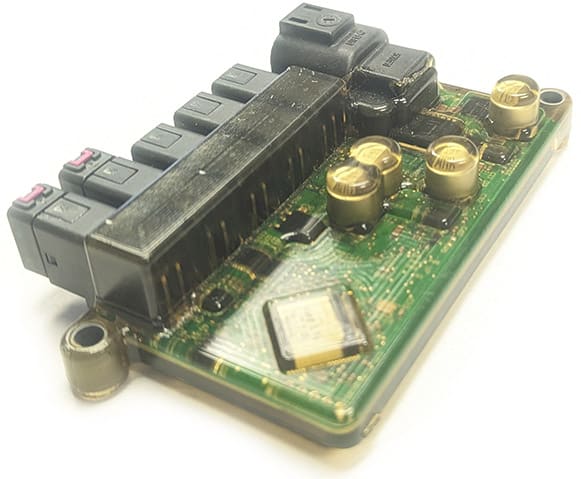
Sensitive electronic components, such as printed circuit boards (PCBs) and connectors, can be fully encapsulated within a thermoset overmold. This shields them from environmental hazards, mechanical damage, and vibration, thereby extending their operational lifespan. This encapsulation is akin to a protective cocoon, safeguarding the delicate internal workings.
Overcoming Vibration and Shock in Electronics
The combined properties of mechanical damping and electrical insulation offered by thermoset overmolding are invaluable in environments where electronic devices are subjected to constant vibration and shock, such as in vehicles or industrial equipment.
Applications Demonstrating Enhanced Durability
The effectiveness of thermoset overmolding in enhancing product durability is readily apparent across a diverse range of industries. These applications showcase how the process addresses specific challenges and contributes to product longevity.
Automotive Industry: Resisting Harsh Conditions
The automotive sector relies heavily on materials that can withstand extreme temperatures, exposure to fuels and oils, and constant vibration. Thermoset overmolding plays a vital role in improving the durability of numerous automotive components.
Engine and Powertrain Components
Components like sensors, connectors, and wiring harnesses within the engine compartment are directly exposed to high temperatures, engine fluids, and vibration. Overmolding these parts with heat-resistant and chemically inert thermosets significantly extends their service life, preventing failures that could lead to costly repairs.
Exterior and Interior Applications
From robust housings for exterior lighting and sensors to vibration-dampening grips for interior controls, thermoset overmolding enhances the durability and tactile feel of automotive parts, contributing to passenger comfort and safety.
Consumer Electronics: Protection and Longevity
The consumer electronics market demands products that are both aesthetically pleasing and remarkably resilient to everyday use. Thermoset overmolding provides a critical layer of protection for these devices.
Robust Housings for Handheld Devices
Smartphones, tablets, and other portable electronic devices benefit from the impact resistance and scratch protection offered by thermoset overmolded housings. This not only prevents cosmetic damage but also safeguards the sensitive internal components from drops and impacts. This tough exterior acts as a shield against the bumps and bruises of daily life.
Waterproofing and Sealing for Audio Equipment
High-fidelity audio equipment, particularly headphones and portable speakers, often requires protection against moisture and sweat. Thermoset overmolding provides effective sealing, preventing water ingress and ensuring continued functionality.
Industrial Equipment: Endurance in Demanding Environments
Industrial settings present some of the most challenging conditions for manufactured goods. Thermoset overmolding is instrumental in creating equipment that can withstand these rigors.
Tool Grips and Handles
Ergonomic tool grips made with thermoset overmolding provide enhanced comfort and a secure hold, even in oily or wet conditions. Their durability ensures that they will not degrade or detach from the tool over time, even with heavy use.
Protective Casings for Sensors and Connectors
Industrial sensors and connectors are often exposed to dust, chemicals, and potential physical impacts. Overmolding them with robust thermoset materials creates a protective shell that ensures reliable operation and extends their service life in challenging environments.
Design Considerations for Optimized Durability
Achieving optimal durability through thermoset overmolding necessitates careful consideration of design principles and material selection. The interplay between the substrate, the overmold, and the intended application is paramount.
Material Compatibility and Adhesion Promotion
The success of overmolding hinges on the compatibility of the thermoset material with the substrate. Beyond mere physical contact, chemical compatibility and the promotion of strong intermolecular forces are essential for achieving durable adhesion. A strong bond is like the mortar between bricks; without it, the structure will crumble.
Substrate Material Properties
The inherent properties of the substrate – its thermal expansion coefficient, surface energy, and chemical resistance – will influence the choice of thermoset overmold. Dissimilar materials may require specialized surface treatments or bonding agents to overcome potential mismatches.
Thermoset Material Selection
The selection of the thermoset polymer is driven by the specific performance requirements of the application, including its mechanical strength, chemical resistance, temperature rating, and electrical properties. Formulating the thermoset with appropriate fillers and additives can further tailor its characteristics.
Mold Design and Process Control
The design of the mold and the precision of the molding process are critical factors in achieving consistent and durable overmolded parts. Improper mold design can lead to defects such as voids, incomplete filling, or stress concentrations, all of which can compromise durability.
Gating and Venting Strategies
The placement and size of gates (where the material enters the mold) and vents (where air can escape) are crucial for ensuring complete filling of the mold cavity and the elimination of trapped air. Poor venting can lead to voids and weak points in the overmold.
Temperature and Pressure Management
Accurate control of mold temperature and injection/compression pressure is essential for achieving proper curing of the thermoset and optimal adhesion to the substrate. Fluctuations in these parameters can result in inconsistent material properties and compromised durability.
Thermoset overmolding is a fascinating process that combines the durability of thermoset materials with the versatility of overmolding techniques, allowing for the creation of complex and robust components. For those interested in exploring the intricacies of tooling in this area, a related article can provide valuable insights into the design and manufacturing processes involved. You can read more about it in this informative piece on tooling, which highlights the essential aspects of creating high-quality overmolded products.
Future Trends and Innovations
| Metric | Description | Typical Values | Units |
|---|---|---|---|
| Material Type | Common thermoset materials used for overmolding | Epoxy, Phenolic, Urethane, Silicone | N/A |
| Cure Time | Time required for thermoset to fully cure during overmolding | 2 – 30 | Minutes |
| Processing Temperature | Temperature range for molding and curing thermoset materials | 80 – 180 | °F |
| Shore Hardness | Hardness of cured thermoset overmold |
5 – 95 40-95 |
Shore A shore D |
| Tensile Strength | Strength of thermoset overmold material | 20 – 80 | MPa |
| Adhesion Strength | Bond strength between thermoset overmold and substrate | 5 – 15 | MPa |
| Shrinkage | Dimensional shrinkage during curing | 0.5 – 2.0 | % |
| Typical Applications | Common uses of thermoset overmolding | Electrical connectors, automotive parts, medical devices | N/A |
The field of thermoset overmolding is continuously evolving, with ongoing research and development aimed at improving material performance, expanding application possibilities, and enhancing manufacturing efficiency.
Advanced Material Formulations
Innovations in thermoset chemistry are leading to the development of new materials with enhanced properties, such as improved temperature resistance, greater chemical inertness, and tailored mechanical characteristics. This includes the development of high-performance epoxies, specialized polyurethanes, and novel composite thermosets.
Sustainable Thermoset Solutions
Increasing emphasis on sustainability is driving research into bio-based thermosets and more environmentally friendly curing processes. The aim is to reduce the environmental footprint of overmolded products without compromising performance.
Integration with Digital Manufacturing
The integration of thermoset overmolding processes with digital manufacturing technologies, such as additive manufacturing (3D printing) and advanced simulation tools, is enabling more complex designs, faster prototyping, and optimized production. This allows for the creation of intricate geometries previously impossible, further pushing the boundaries of product durability.
Give us a call to discuss your next project
FAQs
What is thermoset overmolding?
Thermoset overmolding is a manufacturing process where a thermosetting polymer is molded over a substrate or insert, typically made of metal or thermoplastic. The thermoset material cures and hardens irreversibly, creating a strong bond and a durable composite part.
What are the common materials used in thermoset overmolding?
Common materials used in thermoset overmolding include epoxy, phenolic, silicone, and polyurethane resins. These materials are chosen for their heat resistance, chemical stability, and mechanical strength once cured.
What are the advantages of thermoset overmolding compared to thermoplastic overmolding?
Thermoset overmolding offers superior heat resistance, chemical resistance, and dimensional stability compared to thermoplastics. Once cured, thermosets do not melt or deform under heat, making them ideal for high-temperature applications.
What industries commonly use thermoset overmolding?
Thermoset overmolding is widely used in automotive, electronics, aerospace, and medical industries. It is often employed to provide insulation, protection, and enhanced mechanical properties to components.
What are the key considerations when designing parts for thermoset overmolding?
Key considerations include selecting compatible materials for the substrate and overmold, designing for proper adhesion and mechanical interlocking, accounting for curing shrinkage, and ensuring the mold design allows for uniform flow and curing of the thermoset material.