Plastic overmolding, a multifaceted manufacturing process, offers significant advantages in bolstering the longevity and robustness of various products. This technique involves injecting a thermoplastic material over or around an existing component, often referred to as the substrate, to form a fully integrated assembly. Understanding its mechanisms and applications is crucial for you, the product designer or engineer, seeking to elevate the quality and lifespan of your creations.
At its core, overmolding is a two-shot or multi-shot injection molding process, though it can also be achieved through insert molding or compression molding. The key distinction lies in the sequential application of different materials, carefully chosen for their unique properties and their synergistic interaction. You are essentially building a product in layers, much like geological strata, each layer contributing to the overall strength and functionality. Check out the best wireless battery packs to keep your devices charged on the go.
Material Selection: The Foundation of Durability
The success of any overmolded product hinges on the meticulous selection of both the substrate and the overmold materials. You must consider their chemical compatibility, thermal expansion coefficients, and adhesion characteristics.
- Substrate Materials: These can range from rigid plastics such as ABS, polycarbonate, or nylon, to metals like aluminum or steel, and even ceramics. The substrate acts as the structural bedrock, providing the primary form and often a degree of inherent strength.
- Overmold Materials: Thermoplastic elastomers (TPEs) are frequently employed due to their rubber-like properties, offering excellent grip, impact resistance, and sealing capabilities. Other common overmold materials include engineering plastics like polypropylene (PP) or polyethylene (PE), chosen for their specific chemical resistance or aesthetic qualities. Your choice here is akin to selecting the ideal protective skin for your product, tailored to its environment and intended use.
- Adhesion Mechanisms: Effective bonding between the substrate and overmold material is paramount for durability. This can be achieved through:
- Mechanical Interlocking: Designing features such as undercuts, holes, or roughened surfaces on the substrate allows the overmold material to mechanically key into place, forming a strong physical bond. Think of it as interlocking puzzle pieces where the overmold material flows into the intricate spaces of the substrate.
- Chemical Bonding: Certain material combinations, particularly those with similar chemical structures or the presence of bonding agents, can form covalent or hydrogen bonds at the interface, creating a molecular-level fusion. This results in a truly monolithic structure, where the two materials become one at their junction.
- Thermal Fusion: When both the substrate and overmold are thermoplastic, the heat of the overmold material can partially melt the surface of the substrate, forming a fused interface upon cooling. This is a common and effective method for creating robust and seamless bonds.
Process Variations: Tailoring to Specific Needs
Several variations of the overmolding process exist, each suitable for different production volumes, material combinations, and design complexities.
- Two-Shot (Multi-Shot) Injection Molding: This technique utilizes a specialized injection molding machine with multiple injection units, allowing two or more different materials to be injected sequentially into the same mold cavity without removing the part. This method is highly efficient for high-volume production and offers precise control over material placement. You are, in essence, performing multiple molding operations within a single machine cycle, streamlining the manufacturing process.
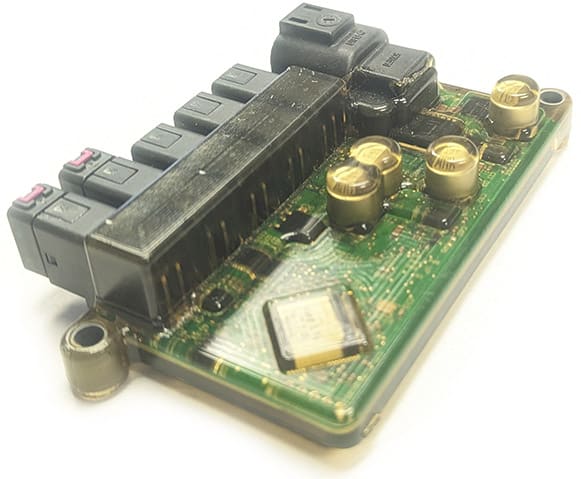
- Insert Molding: In this method, a pre-fabricated substrate (the insert) is placed into an injection mold, and the overmold material is then injected around it. This is widely used for incorporating metal components, electronic circuitry, or other pre-existing parts into a plastic assembly. Consider this as embedding a pre-made core within a protective plastic shell.
- Compression Overmolding: This less common method involves compressing a preformed overmold material onto a substrate, often used for materials that are difficult to inject, such as certain rubbers or reinforced composites.
Plastic overmolding is a fascinating manufacturing process that combines two different materials to create a single, cohesive product, enhancing both functionality and aesthetics. For those interested in exploring various applications and examples of plastic overmolding, a related article can be found at this link: Overmold Express Gallery. This resource showcases a diverse range of overmolded products, illustrating the versatility and innovative potential of this technique in modern manufacturing.
Enhancing Impact Resistance and Shock Absorption
One of the most compelling advantages of plastic overmolding, from a durability perspective, is its ability to significantly improve a product’s resistance to impact and absorb shock. By strategically employing elastomeric overmolds, you can create a protective buffer, much like a product’s personal bodyguard.
Cushioning and Damping Properties
Thermoplastic elastomers (TPEs) and other soft-touch plastics excel in their ability to absorb and dissipate kinetic energy. When a product with an overmolded elastomeric layer experiences an impact, the overmold material deforms, absorbing a portion of the impact force and distributing it over a larger area. This reduces the localized stress on the rigid substrate, preventing cracks, fractures, or internal component damage. Think of it as a well-designed crumple zone on an automobile, sacrificing its own form to protect the occupants.
Edge and Corner Protection
Vulnerable areas such as edges and corners are frequent points of impact. Overmolding these critical zones with a resilient material provides substantial protection against chipping, cracking, and abrasive wear. This is particularly relevant for handheld devices, tools, and equipment that are prone to accidental drops or bumps. You are essentially reinforcing the product’s weakest links, transforming them into areas of strength.
Vibration Isolation
Beyond direct impact, persistent vibrations can lead to fatigue and premature failure in electronic components or delicate mechanisms. Elastomeric overmolds can act as vibration isolators, dampening oscillations and preventing their transmission to sensitive internal parts. This extends the lifespan of internal circuitry and contributes to overall product reliability. Imagine a delicate instrument nestled within a shock-absorbing frame, protected from external tremors.
Improving Sealing Capabilities and Environmental Resistance
Overmolding offers an effective solution for creating robust seals against environmental ingress, a critical factor for product durability in harsh conditions. By integrating gaskets and seals directly into the product design, you can eliminate failure points associated with separate, assembled components.
Integrated Gaskets and O-rings
Instead of assembling separate rubber gaskets or O-rings, overmolding allows you to create these sealing elements directly onto the housing or mating component. This eliminates potential leak paths, reduces assembly time, and significantly enhances the product’s ingress protection (IP) rating. You are, in effect, growing a seamless, protective barrier around vulnerable openings, making it intrinsically part of the product’s structure.
Resistance to Liquids and Dust
For products operating in environments exposed to moisture, chemicals, or dust, overmolded seals provide an impermeable barrier. The chemical compatibility of the overmold material with the intended environment is crucial. For instance, a TPE overmold designed for an outdoor application will exhibit excellent UV resistance and water repellency, preventing degradation and maintaining its sealing integrity over time. Consider this as wrapping your product in a custom-fitted, impenetrable membrane.
Chemical and UV Resistance
The judicious selection of overmold materials can imbue the product with enhanced resistance to various chemicals, oils, and solvents. Furthermore, UV-stabilized overmolds protect against degradation from prolonged exposure to sunlight, preventing brittleness, discoloration, and loss of mechanical properties. This is about equipping your product with an armor that not only resists physical assault but also withstands the insidious attacks of environmental elements.
Ergonomics and Haptics: Beyond Mere Protection
While durability is the primary focus, overmolding also contributes significantly to a product’s overall user experience, indirectly impacting its perceived quality and longevity. A comfortable and secure grip can reduce accidental drops, thereby protecting the product from damage.
Enhanced Grip and Tactile Feedback
Soft-touch overmolds made from TPEs provide a comfortable, non-slip surface, improving user ergonomics and reducing the likelihood of accidental drops. This directly translates to fewer impacts and, consequently, longer product life. Imagine holding a power tool with a secure, cushioned grip versus one with a slick plastic handle – the former is inherently less likely to slip from your grasp.
Aesthetic Appeal and Branding Opportunities
Overmolding allows for the integration of different colors, textures, and finishes, contributing to the product’s aesthetic appeal and brand identity. You can create visually striking designs with contrasting colors or integrate branding elements directly into the overmolded surface. This contributes to the product’s perceived value and your brand’s reputation for quality, which, while not directly related to physical strength, influences consumer care and handling.
Vibration Dampening for User Comfort
Beyond protecting internal components, the vibration-damping properties of overmolds also enhance user comfort, particularly for handheld tools or devices with vibrating mechanisms. Reducing hand-arm vibration can alleviate user fatigue and improve overall usability, indirectly contributing to the product’s perceived durability and user satisfaction.
Plastic overmolding is an innovative manufacturing process that combines two different materials to create a single, cohesive product, enhancing both functionality and aesthetics. For those interested in exploring the various applications and benefits of this technique, a related article can be found at Overmolding Services, which provides insights into how overmolding can improve product design and durability. This process is particularly valuable in industries such as automotive and consumer electronics, where the integration of soft-touch materials with rigid components can significantly enhance user experience.
Design Considerations for Optimal Durability
| Metric | Description | Typical Values | Units |
|---|---|---|---|
| Cycle Time | Time required to complete one overmolding cycle | 30 – 90 | seconds |
| Material Shrinkage | Percentage shrinkage of plastic after cooling | 0.5 – 2.5 | % |
| Bond Strength | Adhesion strength between substrate and overmold | 5 – 15 | MPa |
| Injection Pressure | Pressure applied during injection molding | 50 – 150 | MPa |
| Temperature Range | Typical processing temperature for overmolding | 200 – 280 | °C |
| Material Compatibility | Common substrate and overmold material pairs | TPU on ABS, TPE on PC, Silicone on Nylon | N/A |
| Overmold Thickness | Typical thickness of the overmolded layer | 0.5 – 5 | mm |
| Tooling Cost | Cost range for molds used in overmolding | 10,000 – 50,000 | USD (approximate) |
To fully leverage the benefits of plastic overmolding for enhanced durability, you must meticulously consider several design elements. This is where your expertise as an engineer or designer truly shines, translating theoretical advantages into tangible product improvements.
Interlocking Features and Undercuts
To maximize the bond strength between the substrate and overmold, incorporate mechanical interlocking features such as undercuts, through-holes, and textured surfaces. These features provide anchor points for the overmold material, creating a robust mechanical bond that resists peeling or delamination. Think of these as the hooks and loops that firmly secure two materials together.
Wall Thickness and Material Flow
Careful consideration of wall thickness for both the substrate and the overmold is crucial. Consistent wall thickness in the overmold ensures uniform material flow and reduces the likelihood of sink marks or voids. You must also account for potential knit lines in the overmold, which can be areas of weakness if not properly managed through gate placement and process parameters.
Gate Placement and Venting
Strategic gate placement is vital for achieving thorough filling of the overmold cavity and minimizing stress concentrations. Adequate venting is equally important to prevent air traps, which can lead to incomplete filling or weakened areas within the overmold. Improper gating or venting can compromise the overall strength and integrity of the overmolded part.
Material Compatibility and Shrinkage
As previously mentioned, chemical and thermal compatibility between the substrate and overmold materials is paramount. You must account for differential shrinkage rates, as significant differences can induce internal stresses, leading to warpage, cracking, or delamination over time. This requires a deep understanding of material science and careful selection of compatible polymers.
Tooling Design and Manufacturing Process
The design of the injection mold itself plays a critical role in the success of overmolding. Precise core and cavity alignment, appropriate gate and runner designs, and efficient cooling channels are essential for producing high-quality, durable overmolded parts. The manufacturing process parameters, such as melt temperature, injection pressure, and cycle time, must be carefully controlled to ensure optimal material flow, adhesion, and part integrity.
By meticulously addressing these design and process considerations, you can unlock the full potential of plastic overmolding to create products that are not only aesthetically pleasing and ergonomically sound but, most importantly, exceptionally durable and resistant to the rigors of real-world use. You are, in essence, engineering resilience into the very fabric of your product.
Lets talk about your next project
FAQs
What is plastic overmolding?
Plastic overmolding is a manufacturing process where one material, typically a soft or flexible plastic, is molded over a base part made of another material. This technique enhances the functionality, aesthetics, and ergonomics of the final product.
What materials are commonly used in plastic overmolding?
Common materials used in plastic overmolding include thermoplastics such as polypropylene (PP), thermoplastic elastomers (TPE), and silicone. The base substrate is often a rigid plastic like ABS or polycarbonate, while the overmold is usually a softer material for grip or cushioning.
What are the benefits of plastic overmolding?
Plastic overmolding provides improved grip, comfort, and durability. It also allows for complex designs, multi-material parts, enhanced aesthetics, and can reduce assembly costs by combining multiple components into a single part.
Which industries commonly use plastic overmolding?
Plastic overmolding is widely used in industries such as automotive, medical devices, consumer electronics, tools, and sporting goods, where ergonomic and functional enhancements are important.
What are the key considerations in the plastic overmolding process?
Key considerations include material compatibility, mold design, adhesion between layers, processing temperatures, and cycle times. Proper design and material selection are critical to ensure strong bonding and product performance.