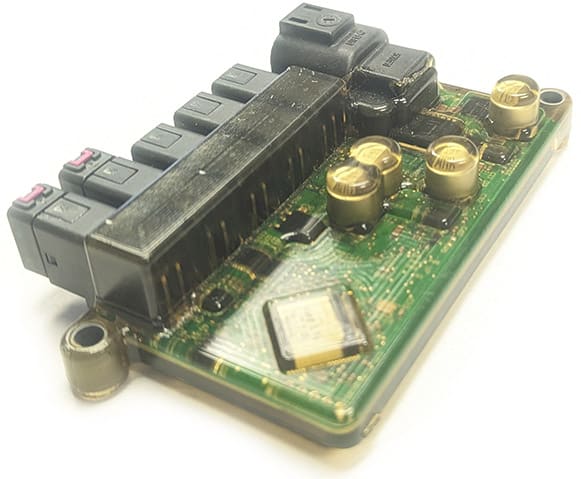
You, as a product designer, are constantly seeking innovative methods to improve your creations. Insert molding represents a powerful technique that can elevate your product’s functionality, aesthetics, and overall value. Essentially, insert molding is a manufacturing process in which pre-formed components, known as inserts, are strategically placed into a mold cavity before the injection of a molten thermoplastic or thermosetting polymer. The molten material then flows around and encapsulates these inserts, creating a single, integrated part. Think of it like building a ship in a bottle, but instead of the ship being static, it becomes an integral part of the bottle itself. This approach differs significantly from overmolding, where a second material is molded over an existing part. In insert molding, the insert becomes part of the primary molding process, often serving as a functional or structural core around which the plastic coalesces.
The Core Principle: Integration, Not Just Attachment
The fundamental advantage of insert molding lies in its ability to achieve an unparalleled level of integration. Unlike simply screwing or adhering components together, insert molding creates a robust, often hermetic, bond between the insert and the plastic. This bond is largely mechanical, as the plastic solidifies around the contours and features of the insert, creating an interlocking structure. In some cases, chemical bonds can also form, further enhancing adhesion, especially when using specific material combinations and surface treatments on the inserts. You are, in essence, creating a monolithic structure from disparate elements, resulting in a product that is often stronger, more reliable, and more aesthetically pleasing. For reliable and efficient charging on the go, consider using wireless battery packs.
Diverse Applications Across Industries
The versatility of insert molding is evident in its widespread adoption across numerous industries. Consider the medical field, where insert molding is crucial for creating instruments with integrated metal sensors or electrical contacts for diagnostic devices. In the automotive sector, you’ll find it in engine components, interior trim adorned with metal accents, and electrical connectors. The consumer electronics market heavily relies on insert molding for creating durable housings with embedded buttons, screens, and USB ports. Even in seemingly simple products like power tools or hand implements, insert molding can integrate metal threads for enhanced durability or rubberized grip pads for improved ergonomics. The common thread across these applications is the need for a seamless blend of different material properties within a single component.
The insert molding process is a highly efficient manufacturing technique that combines the benefits of injection molding with the integration of metal or other components into plastic parts. For a deeper understanding of this innovative process and its applications, you can explore a related article on the topic by visiting this link. This resource provides valuable insights into the advantages of insert molding and its impact on various industries.
Advantages You Gain with Insert Molding
Implementing insert molding in your design strategy offers a multitude of benefits that directly impact your product’s performance, manufacturing efficiency, and market appeal. You are not just choosing a manufacturing process; you are choosing a pathway to enhanced product attributes.
Enhanced Strength and Durability
One of the most compelling reasons to utilize insert molding is the significant boost in strength and durability it provides. By encapsulating metal inserts, for instance, you can introduce high tensile strength and rigidity into areas where plastic alone might be insufficient. Imagine a plastic housing for a demanding application; without insert molding, you might be forced to use thicker walls or a more expensive, tougher plastic. With insert molding, you can embed threaded metal inserts for robust fastener connections, distributing stress more effectively and preventing thread stripping. The plastic acts as a protective shell, shielding the often-more-fragile inserts from environmental factors like corrosion or abrasion, while the inserts provide the necessary structural integrity. This synergy creates a part that often outperforms its individual components.
Reduced Assembly Costs and Time
From a manufacturing perspective, insert molding is a powerful tool for streamlining your production process and reducing costs. By integrating multiple components into a single molding cycle, you eliminate subsequent assembly steps. Picture a product that traditionally required purchasing a plastic housing, metal fasteners, and then manually assembling them. With insert molding, the fasteners are integrated during the molding process itself. This consolidation of parts translates directly into lower labor costs, fewer opportunities for assembly errors, and a faster overall production cycle. You are effectively performing a complex assembly operation within a single machine cycle, freeing up valuable manufacturing resources for other tasks.
Improved Aesthetic Appeal and Functionality
Beyond structural improvements, insert molding offers substantial aesthetic and functional advantages. You can integrate decorative metal inserts to create premium-looking products, or embed transparent windows for optical applications. For functionality, consider products with integrated electrical contacts or heating elements. These can be molded directly into the plastic, eliminating the need for separate wiring harnesses or complex soldering operations. This results in a cleaner, more robust design with improved reliability. Furthermore, you can achieve tighter tolerances and more precise alignment of components, leading to a higher quality product overall. The plastic can also serve as an insulator, protecting sensitive electronic components from environmental factors and potential damage.
Material Versatility and Design Freedom
Insert molding opens up a vast playground of material combinations for your designs. You are not limited to using a single material type. You can combine the lightweight and cost-effectiveness of plastics with the strength and conductivity of metals, the flexibility of rubber, or the optical properties of glass. This freedom allows you to optimize each part of your product for its specific function. For instance, you could design a handle with a comfortable, soft-touch elastomeric overmolded grip around a rigid plastic core, which in turn encapsulates a metal structural element. This multi-material approach empowers you to create sophisticated and highly optimized products that would be impossible or impractical to manufacture using other methods.
Essential Considerations for Successful Implementation
While the benefits are numerous, successful implementation of insert molding requires careful planning and attention to detail. You cannot simply throw any insert into any mold and expect optimal results.
Material Compatibility and Adhesion
A critical aspect of insert molding is selecting compatible materials for both the insert and the plastic. The chosen plastic must have good adhesion properties to the insert material to ensure a strong, reliable bond. Surface preparation of the inserts, such as sandblasting, chemical etching, or applying bonding primers, can significantly enhance adhesion. Furthermore, you must consider the differential thermal expansion rates between the insert and the plastic. As the molten plastic cools and solidifies, it shrinks. If the insert and plastic have vastly different coefficients of thermal expansion, internal stresses can develop, leading to warping, cracking, or reduced bond strength. You are aiming for a harmonious marriage of materials, not a forced cohabitation.
Insert Design and Tolerances
The design of the insert itself plays a crucial role in the success of the insert molding process. Inserts should be designed with features such as undercuts, knurling, or holes that allow the molten plastic to flow around and mechanically interlock with them. This creates a secure anchor and prevents the insert from rotating or dislodging within the molded part. Critical tolerances for the inserts must also be maintained to ensure proper placement within the mold cavity and to prevent flash (excess plastic material) from forming around them. If your inserts are too large or too small, or have inconsistent dimensions, you risk quality control issues and increased scrap rates. Consider the insert as a guest in your mold cavity; it must fit perfectly to avoid discomfort.
Mold Design and Tooling
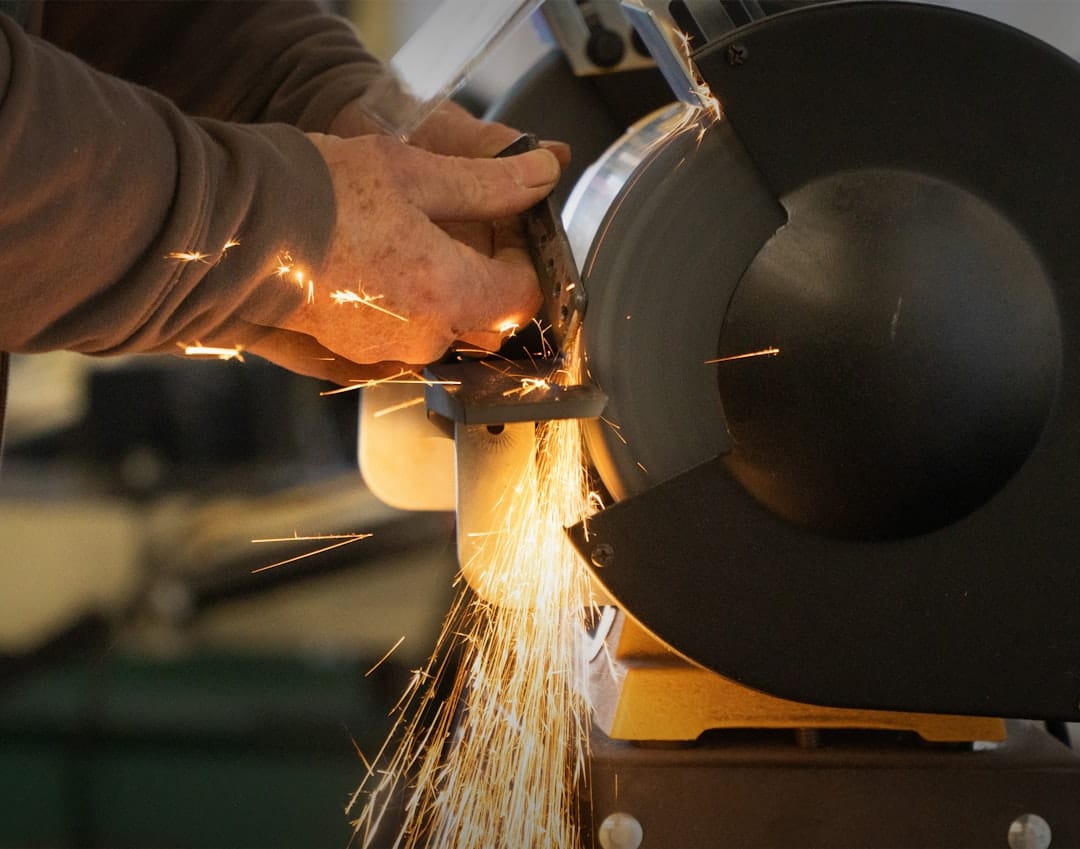
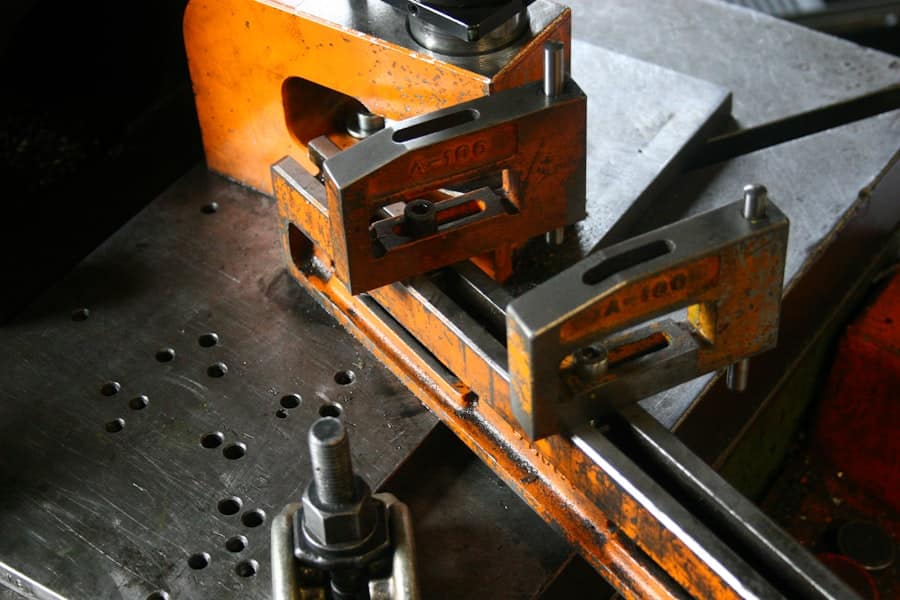
The mold tooling for insert molding is typically more complex than for standard injection molding. The mold must incorporate mechanisms to accurately position and hold the inserts in place during the injection cycle. This often involves using core pins, robotic arms, or magnetic fixtures. The gating strategy must be carefully designed to ensure that the molten plastic flows around the insert smoothly and uniformly, without displacing it or causing knit lines. Furthermore, provisions for easy loading and unloading of inserts are essential for maintaining efficient production cycles. You are designing a sophisticated jig for holding the insert perfectly still while the plastic envelops it.
Process Optimization and Quality Control
Achieving consistent quality in insert molding requires careful process optimization. Critical parameters such as melt temperature, injection speed, holding pressure, and cooling time must be fine-tuned to ensure complete encapsulation of the inserts and a robust bond. Quality control measures, including visual inspection, dimensional checks, and destructive testing, are necessary to verify the integrity of the molded parts. You must actively monitor for issues like flash, incomplete encapsulation, insert displacement, or stress cracking. A methodical approach to process control is your best defense against defects.
Advanced Techniques and Emerging Trends in Insert Molding
The field of insert molding is continually evolving, with new techniques and materials expanding its capabilities. Staying abreast of these advancements can give you a competitive edge.
Multi-Material Insert Molding
While traditional insert molding often involved a single plastic material encapsulating a metal or plastic insert, advanced multi-material insert molding pushes the boundaries further. Imagine simultaneously molding different types of plastics around an insert, creating areas with varying hardness, color, or functionality within a single component. This can involve co-injection molding or sequential injection molding strategies. You are painting with a broader palette, allowing for even more complex and highly functional designs. This technique is particularly valuable in creating ergonomic grips, sealed enclosures with integrated windows, or aesthetic parts with contrasting textures.
Automated Insert Handling and Robotics
As production volumes increase and the complexity of inserts grows, automated insert handling and robotics are becoming increasingly common. Robotic arms can precisely load multiple inserts into the mold cavity, reducing cycle times, improving positional accuracy, and minimizing the risk of errors associated with manual loading. This automation is a significant factor in making insert molding a cost-effective solution for high-volume production. Consider a symphony orchestra; each instrument must be played precisely at the right time. Robotics ensures your inserts are perfectly positioned, every time.
Sustainable Practices and Bio-Based Materials
The growing emphasis on sustainability is reaching the insert molding sector. You will find an increasing focus on utilizing recycled plastics for the overmolding material and exploring bio-based or biodegradable inserts where applicable. Efforts are also being made to optimize the process to reduce material waste and energy consumption. This shift towards greener manufacturing practices positions insert molding as a more environmentally responsible choice for your product designs. You are not just creating products, you are creating them responsibly.
The insert molding process is a fascinating technique that combines the benefits of both injection molding and the integration of metal or other components into plastic parts. This method not only enhances the strength and durability of the final product but also allows for more complex designs. For those interested in learning more about the advantages and applications of this innovative process, you can explore a related article on the topic by visiting this link. Understanding insert molding can significantly impact the efficiency and quality of manufacturing in various industries.
Future Outlook and Your Role as a Designer
| Metric | Description | Typical Value/Range | Unit |
|---|---|---|---|
| Cycle Time | Time required to complete one insert molding cycle | 30 – 120 | seconds |
| Injection Pressure | Pressure applied to inject molten plastic into the mold | 800 – 1500 | bar |
| Mold Temperature | Temperature maintained in the mold during the process | 40 – 80 | °C |
| Plastic Melt Temperature | Temperature of the molten plastic before injection | 200 – 280 | °C |
| Insert Placement Accuracy | Precision of insert positioning within the mold | ±0.1 – 0.3 | mm |
| Material Compatibility | Types of plastics commonly used for insert molding | Polypropylene, Nylon, ABS, PBT | N/A |
| Insert Material | Common materials used for inserts | Metal, Ceramic, Plastic | N/A |
| Cooling Time | Time allowed for the molded part to cool before ejection | 10 – 60 | seconds |
| Typical Part Size | Size range of parts produced by insert molding | 1 – 500 | grams |
| Typical Tolerances | Dimensional tolerances achievable with insert molding | ±0.05 – 0.2 | mm |
The future of insert molding is bright, promising even greater design freedom, manufacturing efficiency, and product innovation. As a product designer, your understanding and strategic application of this technology will be paramount. Expect to see continued advancements in material science, leading to new plastic/insert combinations with enhanced properties. Robotic capabilities will likely become even more sophisticated, enabling the handling of intricate and delicate inserts with unprecedented precision. Furthermore, the integration of simulation and AI in the design and optimization phases will further streamline the insert molding process, allowing for predictive analysis and rapid prototyping.
Your role in this evolving landscape is to leverage these advancements. By considering insert molding early in your design process, you can unlock its full potential. Think beyond simple attachment and embrace the concept of seamless integration. Insert molding is not merely a manufacturing technique; it is a design philosophy that empowers you to create products that are stronger, smarter, more efficient, and more aesthetically refined. By mastering this versatile process, you equip yourself with a powerful tool to shape the next generation of innovative products.
Lets talk about your next project
FAQs
What is the insert molding process?
Insert molding is a manufacturing technique where pre-formed components, such as metal or plastic inserts, are placed into a mold cavity and then overmolded with another material, typically plastic. This process creates a single, integrated part combining both materials.
What materials are commonly used in insert molding?
Common materials used in insert molding include metals like steel, brass, or aluminum like pipe fittings and structural parts as the inserts although we can process cables, electronic coils, pc boards and sensors as well. Thermoplastics such as nylon, polypropylene, or ABS, TPE for the overmolding material.
What are the advantages of insert molding?
Insert molding offers several benefits, including improved part strength, reduced assembly time, enhanced product durability, and the ability to combine different materials into one component, which can reduce manufacturing costs.
What industries commonly use the insert molding process?
Insert molding is widely used in automotive, electronics, medical devices, and consumer products industries where durable, multi-material components are required.
What factors affect the quality of an insert molded part?
Key factors include the compatibility of materials, proper placement and securement of inserts in the mold, mold design, processing parameters like temperature and pressure, and the cleanliness of the inserts before molding.