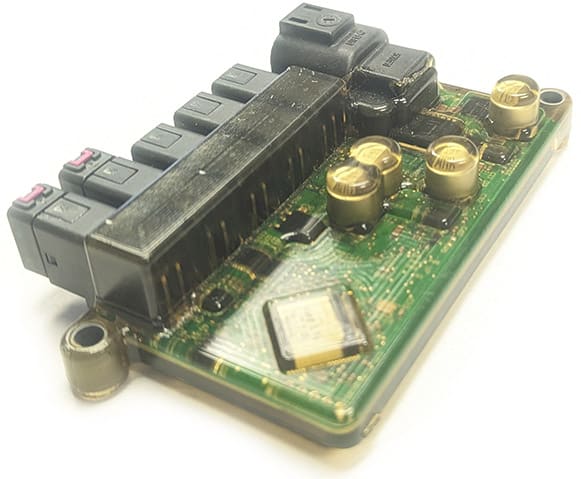

Cable assemblies are critical components in many electronic systems, facilitating the transfer of data and power. The reliability and longevity of these assemblies often depend on the integrity of their connectors and the protection afforded to the rear of these connectors, commonly referred to as the backshell. Overmolding, a process where a polymer material is molded directly onto the connector and its associated backshell, has emerged as a significant method for enhancing the performance and durability of cable assemblies. This article will explore the principles, benefits, methods, and applications of overmolding in this context.
To appreciate the impact of overmolding, it’s essential to understand the roles of connectors and backshells.
The Role of the Connector
A connector acts as the interface, the handshake, between two electronic systems or components. It provides a standardized and often reversible means of establishing an electrical connection.
Electrical Connectivity
The primary function of a connector is to establish a reliable electrical pathway for signals or power. This involves mating pins and sockets, terminals, and other conductive elements designed to make seamless contact. The quality of this contact is paramount for signal integrity and power delivery.
Mechanical Interfacing
Beyond electrical connection, connectors also serve a mechanical purpose. They provide a robust physical link, ensuring that connected components remain securely joined under various conditions. This can involve latching mechanisms, threaded couplings, or snap-fit designs.
Standardization and Interoperability
Connectors are frequently designed to industry standards, enabling interoperability between devices from different manufacturers. This reduces design complexity and ensures a wider range of compatible accessories and replacement parts.
The Function of the Backshell
The backshell is the protective housing that encases the rear of the connector, where the cable wires terminate. It plays a crucial role in the overall structural integrity and environmental resistance of the cable assembly.
Strain Relief
One of the most critical functions of a backshell is to provide strain relief to the cable where it enters the connector. This prevents undue stress on the individual wire terminations within the connector, which can lead to intermittent connectivity or outright failure. Think of it as a gentle handshake, not a vice grip, on the cable’s entry point.
Environmental Sealing
Backshells are often designed to offer protection against environmental factors such as dust, moisture, vibration, and electromagnetic interference (EMI). This is particularly important in harsh or demanding applications.
Cable Management and Support
In complex assemblies, backshells can also aid in cable management, helping to organize and guide multiple cables or to provide a point for attaching lanyards or other support structures.
EMI/RFI Shielding
For applications requiring electromagnetic compatibility, backshells can incorporate shielding to prevent external interference from affecting the signals within the cable, and also to prevent signals from escaping and causing interference elsewhere.
The Overmolding Process: Binding Protection
Overmolding is a manufacturing process where a molten polymer material is injected and cured around a pre-assembled component. In the context of cable assemblies, this means the polymer flows around the connector and its backshell, creating a unified, integrated protective layer.
Material Selection: The Foundation of Durability
The choice of polymer is a cornerstone of successful overmolding, dictating the final properties and performance of the assembly.
Thermoplastics
Thermoplastics, such as polyvinyl chloride (PVC), thermoplastic polyurethane (TPU), and thermoplastic elastomers (TPEs), are commonly used. These materials melt when heated and solidify when cooled, allowing for repeated processing.
Polyvinyl Chloride (PVC)
PVC is a versatile and cost-effective material known for its good electrical insulation properties, chemical resistance, and flexibility. It can be formulated to achieve varying degrees of hardness.
Thermoplastic Polyurethane (TPU)
TPU offers excellent abrasion resistance, impact strength, and flexibility over a wide temperature range. It’s often chosen for applications requiring high durability and resistance to oils and greases.
Thermoplastic Elastomers (TPEs)
TPEs combine the processing ease of thermoplastics with the elastic properties of rubber. They offer good flexibility, tactile feel, and resistance to various chemicals and UV radiation.
Thermosets
Thermoset polymers, such as epoxy resins and polyurethanes, undergo irreversible chemical curing when heated or mixed with a catalyst. They generally offer superior mechanical strength, temperature resistance, and chemical resistance compared to thermoplastics.
Epoxy Resins
Epoxies provide excellent adhesion, high strength, and good electrical insulation. They are often used in demanding applications where high performance is critical.
Polyurethanes
Polyurethanes offer a good balance of toughness, flexibility, and chemical resistance. They are known for their resilience and ability to withstand repeated stress.
The Molding Techniques
Several molding techniques can be employed for overmolding cable assemblies, each with its advantages.
Injection Molding
Injection molding is a widely used technique where molten polymer is injected under high pressure into a mold cavity containing the connector and backshell assembly. This process is highly efficient for mass production and can create intricate shapes. The mold essentially acts as a mold for the overmolded material, capturing the form of the connector and backshell.
Transfer Molding
In transfer molding, the polymer is heated in a separate chamber and then transferred through sprues and runners into the mold cavity. This method is often used for more sensitive components or where precise material flow control is required.
Compression Molding
Compression molding involves placing a pre-measured amount of polymer into a heated mold cavity and then closing the mold under pressure, forcing the material to flow and fill the cavity. This is typically used for thermoset polymers.
Advantages of Overmolding: Building a Robust Shield

Overmolding offers a substantial uplift in the performance and reliability of cable assemblies, transforming them from vulnerable connections to resilient links.
Enhanced Mechanical Strength and Durability
The overmolded jacket physically reinforces the connector and backshell, creating a monolithic structure that is significantly more resistant to mechanical stress.
Improved Strain Relief
The polymer effectively encapsulates the termination points of the wires, distributing any pulling force over a larger area. This prevents individual wires from being stressed, a common cause of connector failure. Imagine a strong, flexible hand supporting the cable’s entry point, rather than a sharp edge that could pinch and break a single strand.
Resistance to Vibration and Shock
The absorbed energy from vibrations and shocks is significantly reduced by the pliable overmolded material. This prevents fatigue and loosening of connections in environments prone to movement.
Protection Against Physical Damage
The robust polymer jacket acts as a buffer against accidental drops, impacts, and abrasions, protecting the delicate internal components of the connector and backshell.
Superior Environmental Protection
Overmolding creates a sealed barrier, preventing ingress of contaminants and protecting against harsh environmental conditions.
Water and Dust Ingress Prevention
When designed correctly, the overmolded jacket can create a watertight and dust-tight seal, crucial for devices operating in outdoor or industrial environments. This is akin to a hermetic seal on a delicate instrument.
Chemical Resistance
Many overmolding polymers exhibit excellent resistance to oils, solvents, acids, and other chemicals, making them suitable for demanding industrial and automotive applications.
Temperature Extremes Resilience
Specific polymer formulations can provide effective performance across a broad spectrum of operating temperatures, maintaining their integrity in both hot and cold environments.
Increased Electrical Integrity
Beyond mechanical and environmental benefits, overmolding contributes to the electrical robustness of the assembly.
Electrical Insulation
The polymer jacket provides an additional layer of electrical insulation, preventing short circuits and enhancing safety, especially in higher voltage applications.
EMI/RFI Shielding Enhancement
While backshells can provide shielding, overmolding a conductive polymer or incorporating shielding foils within the overmold can significantly improve EMI/RFI attenuation, critical for sensitive electronic equipment.
Aesthetic and Ergonomic Improvements
Overmolding also offers functional and visual enhancements to the cable assembly.
Ergonomic Grip and Feel
The surface texture and shape of the overmolded component can be designed for improved grip and tactile feedback, making the connector easier to handle and plug/unplug.
Branding and Color Coding
Overmolding allows for the incorporation of logos, part numbers, and color coding directly into the jacket, aiding in identification and assembly line processes. The color can act as a visual flag for different functionalities.
Applications: Where Overmolding Shines

The benefits of overmolding translate into its widespread adoption across numerous industries and applications where reliability is paramount.
Automotive Industry
In vehicles, cable assemblies are subjected to constant vibration, extreme temperatures, and exposure to fluids.
Engine Compartment Connectors
Overmolding protects connectors from heat, oils, and moisture in the demanding engine bay.
Sensor Harnesses
Ensuring reliable data transmission from sensors, even under harsh road conditions, is critical.
Infotainment and Connectivity Systems
Maintaining seamless audio and data transfer requires robust and durable connections.
Industrial Automation and Control
Intrinsically safe environments and constant operation necessitate highly reliable electrical connections.
Factory Floor Robotics
Robotic arms and automated systems require assemblies that can withstand continuous movement and potential impacts.
Harsh Environment Sensors
Sensors deployed in chemical plants, mining operations, and other challenging settings benefit from the environmental protection offered by overmolding.
Power Distribution Systems
Robust connections are essential for the safe and efficient distribution of power in industrial settings.
Medical Devices
The stringent requirements of the medical field demand absolute reliability and sterile environments.
Patient Monitoring Equipment
Ensuring uninterrupted signal flow from patient monitoring devices is vital for diagnosis and care.
Surgical Tools and Equipment
Connectors used in surgical instruments must be robust, easy to clean, and maintain consistent performance.
Diagnostic Imaging Systems
The integrity of data transfer from imaging equipment is critical for accurate results.
Aerospace and Defense
These sectors demand the highest levels of performance and reliability under extreme conditions.
Avionics Systems
Cable assemblies in aircraft must withstand significant vibration, temperature fluctuations, and have a low failure rate.
Military Ground Vehicles
Connectors in military applications need to be rugged enough to endure combat environments and extreme weather.
Defense Communication Systems
Maintaining clear and secure communication requires highly reliable interconnects.
Consumer Electronics
Even in everyday devices, overmolding enhances durability and user experience.
Gaming Peripherals
High-use items like gaming controllers and headsets benefit from reinforced cable connections.
Wearable Technology
The flexibility and durability of overmolded connectors are ideal for the demands of wearable devices.
Portable Power and Charging Solutions
Ensuring the longevity of charging cables and power adapters is a common application.
Design and Manufacturing Considerations: Crafting for Longevity
| Metric | Description | Typical Values | Units |
|---|---|---|---|
| Material Type | Type of polymer used for overmolding | Thermoplastic Elastomer (TPE), Silicone, Polyurethane | – |
| Shore Hardness | Hardness of the overmold material | 40-80 | Shore A |
| Overmold Thickness | Thickness of the overmold layer on connector and backshell | 1.0 – 3.0 | mm |
| Operating Temperature Range | Temperature range the overmold can withstand | -40 to 125 | °C |
| Pull-out Force | Force required to separate overmold from connector | 50 – 150 | Newtons (N) |
| Dielectric Strength | Electrical insulation capability of overmold | 15 – 25 | kV/mm |
| Moisture Resistance | Resistance to water ingress and humidity | IP67 – IP68 | Ingress Protection Rating |
| Cure Time | Time required for overmold to fully cure | 5 – 20 | Minutes |
| Adhesion Strength | Bond strength between overmold and substrate | 1.5 – 3.0 | MPa |
Achieving the full benefits of overmolding requires careful attention to design principles and manufacturing processes.
Pre-Assembly Preparation
The success of overmolding begins before the polymer is even introduced.
Connector and Backshell Design for Overmolding
The geometry of the connector and backshell should be designed to facilitate proper polymer flow and adhesion. Features like undercuts or intentional roughening can improve the mechanical bond.
Wire Termination and Placement
Secure and well-executed wire terminations are crucial. Loose strands or improperly crimped wires can compromise the overmolded assembly. The precise placement of wires minimizes stress points.
Cleaning and Surface Treatment
Ensuring the connector and backshell surfaces are clean and free from contaminants is essential for optimal adhesion of the overmolding material. This can involve degreasing or plasma treatment.
Mold Design and Process Control
The mold is the sculptor’s tool in this process, and its design dictates the final form.
Mold Cavity Design
The mold cavity must accurately replicate the desired external shape of the overmolded assembly while accommodating the intricate details of the connector and backshell.
Gate and Venting Strategy
The placement of injection gates and vents is critical for ensuring the mold fills completely without air entrapment or short shots, which can lead to weak spots.
Processing Parameters
Precise control of injection pressure, temperature, cooling time, and cycle time is vital for achieving consistent part quality and avoiding material degradation.
Post-Molding Operations
Sometimes, additional steps are required after the primary overmolding process.
Trimming and Deflashing
Any excess material (flash) that may have squeezed out during the molding process needs to be trimmed for a clean finish.
Inspection and Testing
Rigorous inspection and testing, including electrical continuity, pull tests, and environmental simulations, are necessary to verify the performance and reliability of the overmolded assemblies.
The Future of Overmolding in Cable Assemblies: Evolving Protection
The field of overmolding is not static; advancements in materials and processes continue to drive innovation.
Advanced Polymer Technologies
New polymer formulations are being developed to offer enhanced properties such as improved flame retardancy, higher temperature resistance, and increased biodegradability. The quest for materials that offer a better balance of performance and environmental impact is ongoing.
Integration with Smart Technologies
The potential exists to embed sensors or conductive traces within the overmolded jacket, creating “smart cables” that can monitor their own integrity or environment. This could lead to predictive maintenance and enhanced system diagnostics.
Additive Manufacturing Integration
While injection molding remains dominant for mass production, research into using additive manufacturing (3D printing) for overmolding complex geometries or for rapid prototyping is ongoing. This could unlock new design possibilities.
Sustainability Initiatives
As environmental concerns grow, there is an increasing focus on developing overmolding processes and materials that minimize waste, reduce energy consumption, and utilize recycled or bio-based polymers. This represents a shift towards a more circular economy model.
In conclusion, overmolding stands as a potent technique for elevating the performance and durability of cable assemblies. By providing enhanced mechanical strength, superior environmental protection, and improved electrical integrity, it transforms connectors and backshells from potential points of failure into robust elements of complex electronic systems. As materials science and manufacturing technologies continue to advance, the role and sophistication of overmolding in creating reliable and resilient cable assemblies will undoubtedly grow.
The integration of innovative overmolding techniques also paves the way for customization, allowing manufacturers to tailor cable assemblies to specific applications and environments. This adaptability not only enhances functionality but also fosters greater customer satisfaction through improved product performance. Furthermore, ongoing research into advanced materials will likely lead to the development of even more efficient and sustainable overmolding solutions, reinforcing the commitment to environmental stewardship within the industry. Ultimately, embracing these advancements will be crucial for maintaining competitiveness and meeting the evolving demands of the global market.