The process of silicone injection molding offers a distinct set of benefits across various industries. This manufacturing technique, which involves injecting liquid silicone rubber (LSR) into a mold cavity, is favored for its ability to produce complex geometries with high precision and repeatability. Understanding these advantages is crucial for material scientists, product designers, and engineers considering optimal manufacturing strategies.
Silicone, specifically Liquid Silicone Rubber (LSR), possesses inherent characteristics that contribute significantly to the advantages of its injection molding process. These properties make it a versatile material suitable for a wide range of demanding applications. For innovative packaging solutions, visit Pack Power.
Biocompatibility
One of the most significant advantages of silicone is its biocompatibility. This property refers to the material’s ability to exist in harmony with living tissues without causing adverse reactions. This makes silicone an ideal choice for medical devices and healthcare products.
- Medical Implants: Devices like pacemakers, catheters, and prosthetics frequently utilize silicone due to its inert nature and low tissue reactivity. This minimizes the risk of rejection or inflammatory responses in patients.
- Pharmaceutical Components: Syringe stoppers, seals for drug delivery systems, and analytical equipment often incorporate silicone to ensure product purity and patient safety. Its non-leaching characteristics prevent contamination of sensitive substances.
- Food Contact Applications: Silicone is approved by regulatory bodies for direct contact with food and beverages. This allows for its use in kitchenware, food storage containers, and processing equipment without imparting odors or flavors.
Temperature Resistance
Silicone exhibits a broad operational temperature range, making it suitable for applications exposed to both extreme heat and cold. This thermal stability is a core advantage.
- High Temperature Stability: Silicone can withstand continuous exposure to temperatures exceeding 200°C (392°F) without significant degradation in its physical properties. This makes it valuable in oven seals, automotive components near engines, and industrial machinery where heat is a factor.
- Low Temperature Flexibility: Unlike many elastomers that become brittle at low temperatures, silicone retains its flexibility and elasticity down to -50°C (-58°F) or even lower. This is critical for outdoor electrical connectors, aerospace applications, and refrigeration components.
- Thermal Cycling Resilience: The ability of silicone to endure repeated cycles of heating and cooling without material fatigue or cracking extends its lifespan in dynamic thermal environments.
Chemical Inertness
Silicone’s chemical structure grants it a high degree of inertness, meaning it reacts minimally with other substances. This resistance to chemical degradation is vital in many industrial and consumer applications.
- Resistance to Acids and Bases: Silicone rubber remains stable when exposed to a wide range of acidic and alkaline solutions, making it suitable for chemical processing equipment, laboratory components, and protective seals.
- Ozone and UV Resistance: Unlike many organic rubbers, silicone is highly resistant to degradation from ozone and ultraviolet (UV) radiation. This makes it ideal for outdoor applications where prolonged exposure to sunlight and atmospheric elements is expected, such as exterior automotive seals and building weather-stripping.
- Solvent Resistance: While not universally impervious, silicone generally exhibits good resistance to many common solvents, lubricants, and oils. This is beneficial in sealing applications within engines, hydraulic systems, and industrial machinery.
Silicone injection molding is a highly efficient manufacturing process that allows for the production of intricate silicone parts with precision and speed. For those interested in learning more about the benefits and applications of this technology, a related article can be found at Overmold Express, which provides insights into the various aspects of silicone molding and its advantages in different industries.
Design and Production Efficiency
Silicone injection molding offers notable advantages in the design and production phases, translating into manufacturing efficiencies and cost-effectiveness.
Complex Geometries and Part Consolidation
The low viscosity of LSR in its unvulcanized state allows it to flow easily into intricate mold cavities, enabling the creation of complex geometries.
- Intricate Details: Fine features, thin walls, and undercuts can be accurately reproduced, which broadens design possibilities. This capability is particularly useful for miniaturized components and parts with detailed surface textures.
- Part Consolidation: Due to its ability to form complex shapes, multiple components that would traditionally be assembled from several discrete parts can be molded as a single unit. This reduces assembly time, lowers potential points of failure, and can simplify supply chains. For example, a seal assembly with integrated channels or mounting features might be produced as one piece instead of several.
High Precision and Tight Tolerances
The injection molding process, combined with the consistent properties of LSR, facilitates the production of parts with exceptional dimensional accuracy.
- Repeatability: Once tooling is established, the process offers high repeatability, ensuring that each part produced meets the required specifications consistently across large production runs. This leads to reduced scrap rates and predictable quality.
- Minimal Flash: Silicone’s low viscosity allows for minimal material entrapment at mold parting lines, resulting in very little flash. This reduces the need for extensive secondary deflashing operations which can be labor-intensive and costly.
- Dimensional Stability: Cured silicone parts exhibit excellent dimensional stability, meaning they retain their shape and size even under varying environmental conditions. This is crucial for components requiring precise fit and function.
Fast Cycle Times
Compared to other molding processes for elastomers, silicone injection molding can achieve relatively fast cycle times, leading to increased production output.
- Rapid Curing: LSR’s platinum-catalyzed cure system allows for quick vulcanization at elevated temperatures within the mold. This significantly reduces the dwell time required compared to compression molding or other rubber processing methods.
- Automated Production: The highly automated nature of the injection molding process, from material feeding to part ejection, contributes to faster cycles and less reliance on manual intervention. This allows for 24/7 operation in many facilities.
- Reduced Post-Processing: The ability to produce near-net-shape parts with minimal flash often negates the need for extensive trimming or finishing operations, further contributing to overall faster production.
Performance and Durability
The inherent properties of silicone, when combined with the precision of injection molding, result in parts that offer superior performance and extended longevity.
Excellent Sealing Capabilities
Silicone’s flexibility, compression set resistance, and temperature stability make it an outstanding material for sealing applications.
- Low Compression Set: This property refers to silicone’s ability to return to its original thickness after being compressed for a prolonged period. A low compression set ensures that seals maintain their integrity and sealing force over time, preventing leaks.
- Flexibility and Conformability: Silicone’s elasticity allows it to conform to irregular surfaces and fill small gaps, creating an effective barrier against liquids, gases, and contaminants. This is critical for gaskets, O-rings, and environmental seals.
- Long-Term Performance: The combination of chemical inertness, temperature resistance, and low compression set means silicone seals perform reliably over extended periods, reducing maintenance frequency and overall operational costs.
Electrical Insulation Properties
Silicone is an excellent electrical insulator, making it valuable in various electrical and electronic applications.
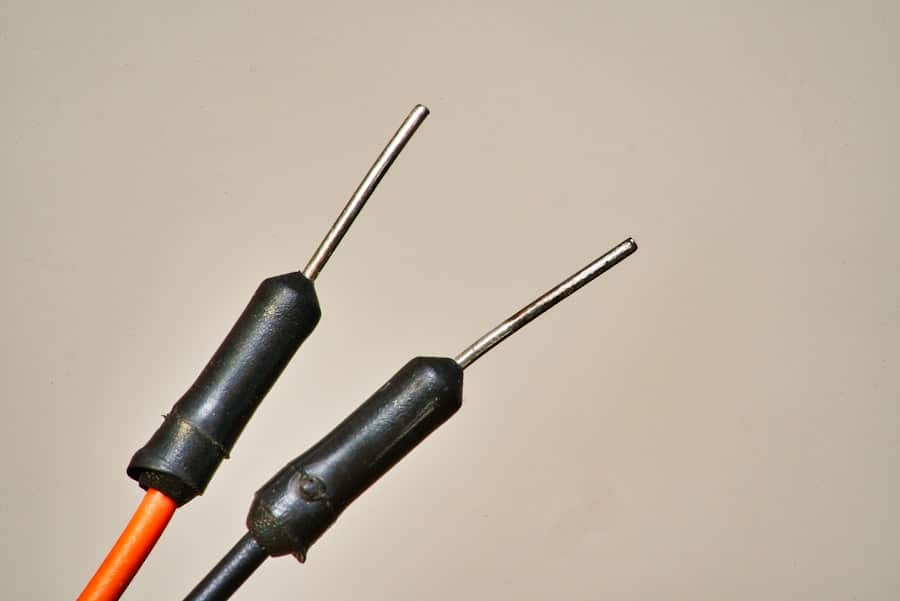
- Dielectric Strength: Silicone possesses high dielectric strength, meaning it can withstand high electrical voltages without breaking down. This makes it ideal for insulating wires, cables, and electronic components.
- Arc Resistance: Silicone exhibits good resistance to electrical tracking and arcing, which is important in high-voltage applications where electrical discharges could damage other materials.
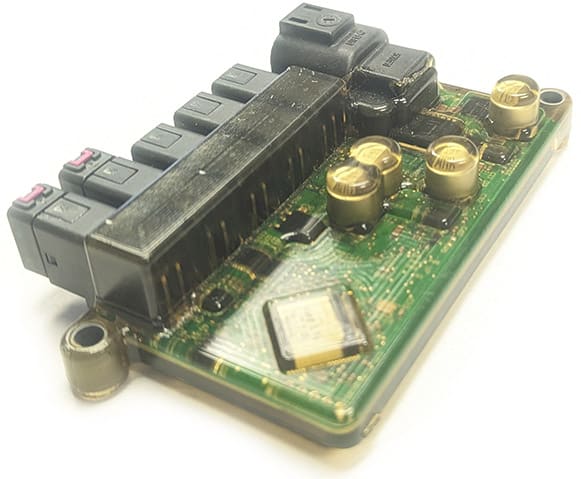
- Environmental Protection: Beyond insulation, silicone also provides protection to sensitive electronic components from moisture, dust, and vibration, enhancing their durability and operational lifespan in harsh environments.
Sterilizability
For medical and food-grade applications, the ability to withstand sterilization processes without degradation is a critical advantage.
- Autoclavability: Silicone parts can tolerate repeated steam sterilization (autoclaving) at high temperatures and pressures without significant loss of mechanical properties or chemical integrity. This is essential for reusable medical instruments and laboratory equipment.
- Chemical Sterilization: Silicone is also compatible with various chemical sterilization agents, offering flexibility in sanitization protocols.
- Radiation Resistance: While not as impervious as some other materials, advanced formulations of silicone can endure certain levels of radiation sterilization, broadening its utility in specific medical contexts.
Economic and Environmental Considerations
Beyond product performance, the manufacturing process itself and the material choice can have significant economic and environmental implications.
Reduced Waste and Material Efficiency
The precision of silicone injection molding contributes to a more efficient use of raw materials.
- Minimized Flash and Runner Waste: High-quality tooling and precise process control minimize flash. Furthermore, modern injection molding systems can include cold runner systems that reduce material waste associated with runners, or even directly inject into the mold cavity, virtually eliminating runner waste.
- Recyclability Potential: While not as common as thermoplastics, some silicone waste can be reprocessed or downcycled. Efforts are also being made to develop more industrially scalable recycling pathways for cured silicone, as it is a thermoset and notoriously difficult to recycle in its end-of-life state. The efficiency of the primary molding process, however, reduces the initial waste generation significantly.
- Long Product Lifespan: The inherent durability and long-term performance of silicone components reduce the need for frequent replacements, indirectly contributing to less overall material consumption and waste over the lifetime of a product.
Lower Total Cost of Ownership
While initial tooling costs for injection molding can be substantial, the long-term economic benefits often outweigh this investment.
- Reduced Labor Costs: The highly automated nature of the process minimizes the need for manual labor for production and post-processing, especially compared to labor-intensive methods like compression molding.
- Lower Maintenance: The robust nature of silicone parts leads to fewer failures and reduced need for maintenance or replacement, lowering operational costs over the product’s lifespan.
- Consistent Quality: High precision and repeatability result in fewer defective parts, reducing scrap rates and associated material and labor losses. This predictable quality translates directly to cost savings in the long run.
Silicone injection molding is a highly efficient manufacturing process that allows for the production of intricate designs with precision and durability. For those interested in exploring the benefits and applications of this technique further, a related article on overmolding services provides valuable insights into how these methods can enhance product performance. You can read more about it in this informative piece on overmolding services. This resource highlights the versatility of silicone materials and their role in various industries, making it a must-read for anyone looking to understand the full potential of silicone injection molding.
Limitations and Considerations
| Metric | Description | Typical Range / Value | Unit |
|---|---|---|---|
| Injection Pressure | Pressure applied to inject silicone into the mold | 500 – 1500 | bar |
| Mold Temperature | Temperature of the mold during injection molding | 20 – 80 | °C |
| Injection Speed | Speed at which silicone is injected into the mold | 10 – 100 | cm³/s |
| Curing Time | Time required for silicone to cure inside the mold | 30 – 300 | seconds |
| Shot Volume | Volume of silicone injected per cycle | 1 – 500 | cm³ |
| Cycle Time | Total time for one complete molding cycle | 60 – 600 | seconds |
| Material Hardness | Shore hardness of the silicone material used | 10 – 80 | Shore A |
| Clamp Force | Force applied to keep mold closed during injection | 50 – 500 | tons |
While the advantages of silicone injection molding are numerous, it is important to consider certain limitations, as no manufacturing process is universally ideal. An informed decision requires a balanced perspective.
Tooling Costs
The initial investment in molds for silicone injection molding can be substantial.
- Precision Machining: Molds for LSR require high-precision machining to achieve the fine details and tight tolerances inherent in the process. This involves intricate EDM (Electrical Discharge Machining) and CNC (Computer Numerical Control) processes.
- Hardened Steel: Molds are typically made from hardened tool steel to withstand the high injection pressures and temperatures over millions of cycles, which contributes to their cost.
- Long-Term Payback: While high, these tooling costs are generally amortized over high-volume production runs. For low-volume or prototyping projects, alternative methods like compression molding or additive manufacturing might be more economically viable, despite their own limitations in precision or material capabilities.
Material Cost
Liquid Silicone Rubber (LSR) itself generally has a higher raw material cost compared to some other elastomers or commodity plastics.
- Specialized Polymers: LSR is a specialized polymer with a unique chemical structure that imparts its beneficial properties, which contributes to its higher price per kilogram or pound compared to general-purpose rubbers.
- Formulation Complexity: The specific formulations designed for different applications (e.g., medical grade, high-temperature resistant) can further increase material costs due to additional additives and purification steps.
- Cost-Benefit Analysis: Despite the higher material cost, the superior performance, durability, and processing efficiencies (e.g., faster cycle times, reduced scrap) often justify the investment when considering the total cost of the end product and its operational lifespan.
Adhesion Challenges
Bonding silicone to other substrates can be challenging due to its non-reactive surface.
- Surface Inertness: Silicone’s inherent chemical inertness, while beneficial for many applications, makes it difficult for adhesives to form strong bonds with its surface. Standard adhesives often do not adhere effectively.
- Primers and Surface Treatments: Specialized primers, surface activation techniques (like plasma treatment or corona discharge), or mechanical interlocking features are often required to achieve reliable adhesion to other materials.
- Overmolding/Two-Shot Molding: For multi-material components, overmolding or two-shot injection molding processes can be employed where silicone is directly molded onto a compatible substrate (e.g., a thermoplastic), creating a mechanical and often chemical bond without external adhesives. This approach, however, adds complexity to the tooling and process.
In conclusion, silicone injection molding presents a powerful solution for manufacturing components requiring a balance of precision, performance, and durability. Its material properties, coupled with an efficient production methodology, position it as a favored choice across a broad spectrum of industries, from medical devices to automotive parts. While initial costs for tooling and raw materials can be higher, the long-term benefits in terms of reliability, lifespan, and overall cost of ownership often make it a compelling and economically sound manufacturing strategy.
Give us a call to discuss your next project
FAQs
What is silicone injection molding?
Silicone injection molding is a manufacturing process where liquid silicone rubber (LSR) is injected into a mold cavity to create precise, flexible, and durable silicone parts. It is commonly used for producing medical devices, seals, gaskets, and various consumer products.
What are the advantages of silicone injection molding?
The advantages include high precision and repeatability, excellent material properties such as flexibility and heat resistance, fast production cycles, and the ability to produce complex shapes with fine details. Silicone parts are also biocompatible and resistant to chemicals and extreme temperatures.
What types of silicone materials are used in injection molding?
The most common material used is liquid silicone rubber (LSR), which is a two-part platinum-cured silicone. It offers excellent elasticity, durability, and temperature resistance. Other types include high-consistency rubber (HCR), but LSR is preferred for injection molding due to its flow characteristics.
What industries commonly use silicone injection molded parts?
Industries such as medical, automotive, electronics, consumer goods, and food processing frequently use silicone injection molded parts. The material’s biocompatibility and durability make it ideal for medical devices, while its flexibility and resistance suit automotive seals and electronic components.
What factors affect the quality of silicone injection molded parts?
Key factors include mold design, injection pressure and temperature, curing time, and the quality of the silicone material. Proper mold venting and temperature control are essential to avoid defects like air bubbles, incomplete filling, or warping. Consistent processing parameters ensure high-quality, repeatable parts.