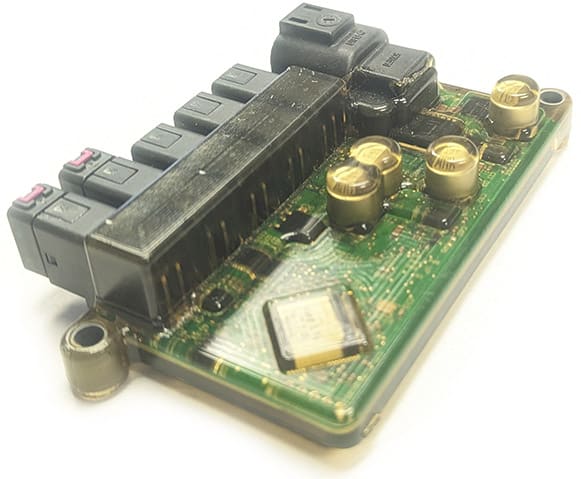

Santoprene rubber overmolding is a process that involves bonding a thermoplastic vulcanizate (TPV) rubber, such as Santoprene, to a rigid substrate. This technique is employed to improve the durability, functionality, and aesthetic appeal of manufactured products across a wide range of industries. The inherent properties of Santoprene TPV make it a suitable material for applications where resistance to environmental factors, impact, and wear is critical.
The core of this process lies in the material characteristics of Santoprene TPV and the specific methods used to achieve a strong bond between the rubber and the substrate. Unlike traditional rubber molding, overmolding utilizes a co-injection or insert molding process, enabling the creation of integrated components with multiple material properties.
What is Santoprene TPV?
Santoprene TPV is a thermoplastic elastomer that exhibits many of the desirable properties of vulcanized rubber, such as flexibility, resilience, and sealing capabilities, but with the processing advantages of thermoplastics. This dual nature allows it to be melted and molded using conventional injection molding equipment, facilitating its integration into complex manufacturing workflows. Its chemical structure, a blend of EPDM (ethylene propylene diene monomer) and polypropylene, is engineered to provide a balance of performance and processability.
The Overmolding Process Explained
The overmolding process typically involves two stages. First, the rigid substrate, often made of plastic or metal, is molded or prepared. In the second stage, molten Santoprene TPV is injected over the substrate, forming a secure bond as it cools and solidifies. This creates a single, unified part where the overmolded rubber provides a specific function or characteristic to the rigid core. The success of the overmolding process hinges on careful control of melt temperatures, injection pressures, mold design, and surface preparation of the substrate.
Co-Injection Molding
In co-injection molding, two different materials are injected sequentially into the same mold cavity. The first shot forms the core (the rigid substrate), and the second shot, the Santoprene TPV, is injected as an outer layer. This method allows for precise control over the interface between the two materials and is particularly useful for creating components with distinct internal and external properties.
Insert Molding
Insert molding involves placing a pre-molded or fabricated component (the insert), usually made of metal or a dissimilar plastic, into the mold cavity before injecting the overmolding material. The molten Santoprene TPV then flows around and encapsulates the insert, creating an integral part upon cooling. This technique is common for adding grip surfaces, seals, or shock-absorbing elements to existing components.
Key Properties of Santoprene TPV for Durability
The inherent characteristics of Santoprene TPV are central to its effectiveness in enhancing product durability. Its resistance to environmental degradation, its mechanical resilience, and its ability to form strong bonds contribute significantly to the longevity of overmolded products.
Environmental Resistance
Santoprene TPV demonstrates excellent resistance to a wide range of environmental factors that can compromise the integrity of other materials. This includes U.V. radiation, ozone, and weathering. For products exposed to outdoor elements or high-stress environments, this resistance prevents premature cracking, fading, and material breakdown, thereby extending the product’s useful life. Consider how sunlight can degrade ordinary plastics; Santoprene offers a shield against this insidious assault.
Chemical Resistance
The material’s chemical inertness makes it suitable for applications involving contact with oils, greases, solvents, and various cleaning agents. This is crucial for products used in automotive, industrial, and household environments where exposure to chemicals is common. Unlike materials that swell or degrade upon contact, Santoprene maintains its structural integrity and performance.
Temperature Range Capabilities
Santoprene TPV can perform reliably across a broad temperature spectrum, from sub-zero conditions to elevated temperatures. This wide service temperature range ensures that overmolded components maintain their mechanical properties and sealing capabilities, regardless of external temperature fluctuations.
Abrasion and Wear Resistance
The ability of Santoprene TPV to withstand abrasion and wear is a significant factor in enhancing product durability, especially for components that experience frequent contact or friction. This resistance prevents the rubber from wearing down prematurely, maintaining its intended function and appearance over time.
Applications and Benefits in Enhancing Product Durability
The application of Santoprene overmolding is diverse, spanning numerous industries where enhanced durability is a critical design consideration. The benefits extend beyond simple longevity to encompass improved functionality and safety.
Automotive Industry
In the automotive sector, Santoprene overmolding is extensively used for components that require sealing, vibration damping, and resistance to harsh under-hood environments. Examples include weatherstripping for doors and windows, seals for fluid reservoirs, and protective boots for CV joints. The inherent ability of Santoprene to withstand oils, fuels, and extreme temperatures ensures that these components do not fail prematurely, contributing to vehicle reliability and safety.
Sealing Solutions
Overmolded seals provide a robust barrier against water, dust, and other contaminants. This is vital for maintaining the integrity of sensitive electronic components and preventing corrosion in various automotive systems. The flexibility of Santoprene allows it to conform to irregular surfaces, creating a tight and durable seal that can withstand vibration and movement.
Vibration Damping and Noise Reduction
The elastomeric nature of Santoprene makes it an effective material for damping vibrations and reducing noise. Overmolded components, such as grommets and mounts, absorb shock and dampen vibrations, leading to a quieter and more comfortable driving experience. This also contributes to the longevity of other vehicle components by reducing stress.
Consumer Goods and Electronics
For consumer products, particularly electronics, Santoprene overmolding enhances grip, provides impact protection, and improves water resistance. Many portable electronic devices, power tools, and kitchen appliances feature overmolded handles or protective casings. This not only makes them more comfortable to hold and use but also safeguards them from accidental damage.
Ergonomic Grips
The tactile properties of Santoprene make it ideal for creating ergonomic grips for tools, appliances, and sporting equipment. The soft, non-slip surface improves user comfort and control, reducing fatigue during prolonged use. This tactile advantage directly translates to a more user-friendly and durable product.
Impact Protection
Overmolded components can act as shock absorbers, protecting fragile electronic circuitry or delicate moving parts from damage during drops or impacts. This sacrificial layer of rubber absorbs the initial force of an impact, preventing it from reaching the more vulnerable rigid core.
Industrial and Manufacturing Equipment
In industrial settings, where equipment operates under demanding conditions, Santoprene overmolding contributes to the longevity and reliability of critical components. This includes seals for pumps and valves, vibration dampeners for machinery, and protective coverings for electrical connectors. The resistance to chemicals, oils, and wear is paramount in these environments.
Valve and Pump Seals
The ability of Santoprene TPV to maintain its sealing integrity under pressure and in the presence of various industrial fluids is essential for preventing leaks and ensuring efficient operation of pumps and valves. This reduces maintenance downtime and the risk of environmental contamination.
Protective Couplings and Connectors
Overmolded couplings and connectors provide enhanced protection against ingress of dust, moisture, and chemicals, ensuring reliable electrical or mechanical connections in challenging industrial environments.
The Science of Bonding: Ensuring Long-Term Durability

The success of Santoprene overmolding in enhancing product durability is fundamentally linked to the strength of the bond formed between the Santoprene and the substrate. This bond is not accidental; it is engineered through a combination of material science and process control.
Surface Preparation and Adhesion Promoters
For optimal adhesion, the surface of the rigid substrate often requires preparation. This can involve roughening the surface to create mechanical interlocking points or applying specific adhesion promoters. These promoters are chemical agents that act as a bridge, chemically bonding to both the substrate and the Santoprene TPV, thereby creating a much stronger interface than would be possible otherwise. Without proper preparation, the bond can be likened to building a house on sand – it will eventually fail.
Mechanical Interlocking
Creating a textured or patterned surface on the substrate can provide microscopic anchor points for the overmolded rubber. When the molten Santoprene flows into these intricate structures, it forms a mechanical lock as it cools, significantly enhancing the bond strength.
Chemical Bonding
Adhesion promoters are often used for plastics and metals that might not otherwise form a strong chemical bond with TPVs. These promoters are carefully selected based on the specific materials being joined to maximize the chemical affinity between them.
Mold Design Considerations for Robust Overmolding
The design of the injection mold plays a crucial role in the quality and durability of the overmolded part. Features that ensure proper material flow, prevent defects, and create consistent pressure distribution are vital.
Gate Location and Runner Design
The placement of the injection gate and the design of the runner system are critical for ensuring that the Santoprene TPV flows evenly and fills the mold cavity without trapping air or creating knit lines. Inconsistent filling can lead to weak spots in the overmolded layer.
Venting and Cooling
Adequate venting allows air to escape the mold cavity during injection, preventing voids and defects. Controlled cooling is also essential to manage shrinkage and internal stresses, which can impact the long-term integrity of the bond and the overall durability of the component.
Durability Metrics and Performance Testing
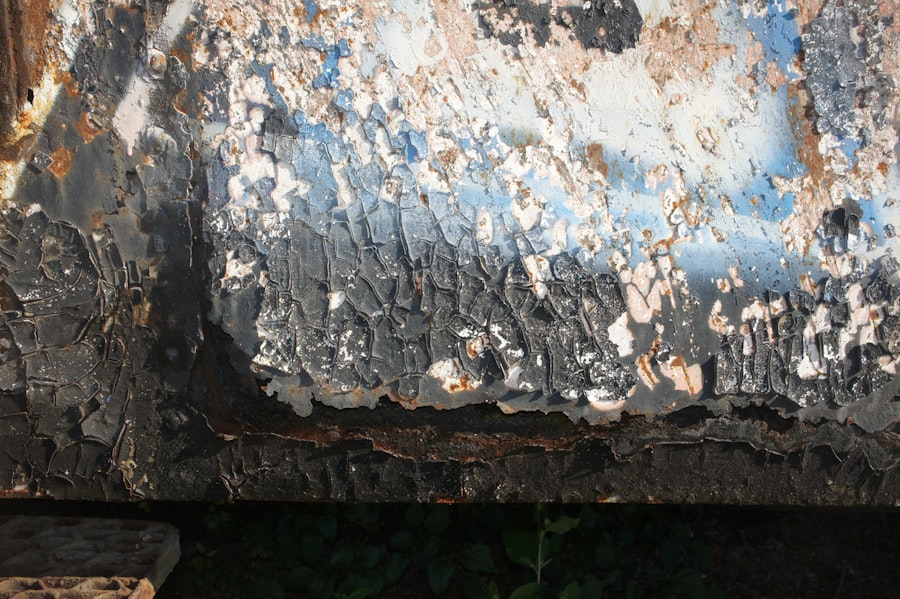
To confirm the enhanced durability achieved through Santoprene overmolding, rigorous testing is performed. These tests simulate real-world conditions and provide quantifiable data on the performance and longevity of the overmolded components.
Mechanical Strength and Fatigue Testing
Tests are conducted to measure the tensile strength, tear strength, and elongation of the overmolded components. Fatigue testing, which involves repeatedly subjecting the part to stress cycles, is crucial for assessing its lifespan under dynamic loading. This reveals how the overmolded part stands up to the rigors of repeated use, much like testing the resilience of a spring.
Tensile and Tear Strength
These tests measure the force required to break the overmolded material or initiate a tear. Higher values indicate greater resistance to pulling and tearing forces.
Compression Set
This test measures the tendency of the Santoprene to recover its original shape after being subjected to prolonged compression. A low compression set is crucial for maintaining sealing performance over time.
Environmental Aging and Accelerated Weathering
Components are exposed to conditions simulating prolonged environmental exposure, such as high temperatures, humidity, U.V. radiation, and corrosive chemicals. Accelerated weathering tests can predict the long-term performance of the material in harsh environments.
U.V. and Ozone Resistance Testing
Samples are exposed to intense U.V. light and ozone to simulate prolonged outdoor exposure. The rate of degradation, such as cracking or discoloration, is measured.
Chemical Immersion Tests
Parts are submerged in various chemicals to assess any swelling, degradation, or loss of mechanical properties.
Functional Performance and Reliability Testing
Beyond material properties, the functionality of the overmolded component in its intended application is assessed. This can include cycle testing for seals, vibration testing for damping components, or drop testing for impact resistance.
Seal Integrity Testing
For sealing applications, tests are performed to ensure that the overmolded seal maintains its integrity under pressure and against various fluids or gases.
Impact and Drop Testing
Components are subjected to controlled drops from specified heights to evaluate their ability to withstand impact without failure or damage to the underlying substrate.
The Future of Enhanced Product Durability with Santoprene Overmolding
| Property | Typical Value | Unit | Description |
|---|---|---|---|
| Hardness (Shore A) | 60 – 85 | Shore A | Measures the rubber’s resistance to indentation |
| Tensile Strength | 8 – 12 | MPa | Maximum stress the material can withstand while being stretched |
| Elongation at Break | 300 – 600 | % | Extent the material can stretch before breaking |
| Compression Set | 15 – 30 | % | Permanent deformation after compressive stress |
| Operating Temperature Range | -40 to 125 | °C | Temperature range for effective material performance |
| Specific Gravity | 0.90 – 0.95 | g/cm³ | Density relative to water |
| Overmolding Adhesion Strength | 3 – 6 | MPa | Bond strength between Santoprene and substrate |
| Processing Temperature | 190 – 230 | °C | Recommended melt temperature for injection molding |
As manufacturing technologies advance and the demand for more robust and sustainable products increases, Santoprene overmolding is likely to see continued innovation and broader adoption. Research and development efforts are focused on further optimizing the material properties, improving bonding techniques, and expanding the range of applications.
Advancements in TPV Formulations
Ongoing research is exploring new TPV formulations with even greater resistance to extreme temperatures, chemicals, and wear. Novel compounding techniques are also being developed to enhance the processability of these materials, enabling the creation of more complex and intricate overmolded designs.
Sustainable Practices and Material Innovation
The industry is increasingly focused on sustainability. This includes developing TPVs with a higher recycled content and exploring bio-based alternatives. Furthermore, optimizing the overmolding process to reduce energy consumption and waste is a key area of development. The goal is to create durable products with a minimized environmental footprint, a true win-win for industry and ecology.
Integration with Smart Manufacturing and Automation
The overmolding process is being integrated with advanced manufacturing techniques, such as robotics and Industry 4.0 principles. This automation leads to improved consistency, precision, and efficiency, further enhancing the reliability and durability of the overmolded components. Automated quality control systems can monitor the process in real-time, identifying and correcting deviations before they impact product quality.
In conclusion, Santoprene rubber overmolding offers a multifaceted approach to enhancing product durability. By leveraging the inherent properties of TPV materials and employing precise manufacturing processes, designers and engineers can create products that are not only more resilient to wear and environmental factors but also offer improved functionality and user experience. The continuous evolution of this technology promises even greater possibilities for creating long-lasting and high-performing goods across a multitude of industries.