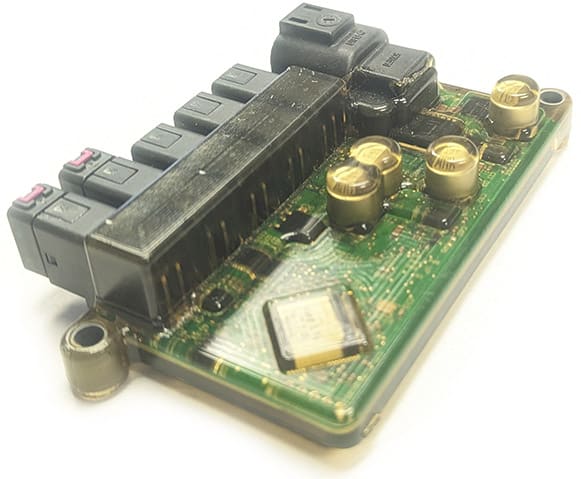
Viton overmolding is a specialized manufacturing process that combines the protective and sealing properties of Viton fluoroelastomer with the structural integrity of a rigid substrate. This technique creates components with enhanced performance characteristics, particularly in demanding environments. You can conceptualize Viton overmolding as a robust glove precisely fitted onto a foundational structure, offering both a secure grip and a resilient barrier against external forces.
To appreciate the advantages of Viton overmolding, it’s crucial to understand its constituent parts: overmolding as a process and Viton as a material.
The Overmolding Process
Overmolding is a manufacturing technique where one material is molded over another pre-existing component, often referred to as the substrate. This process creates a single, integrated part with combined properties. Think of it like applying a durable skin over a core structure.
Benefits of General Overmolding
- Improved Aesthetics: Overmolding can conceal sharp edges, unsightly joints, or manufacturing imperfections, resulting in a more polished final product.
- Enhanced Ergonomics: Soft-touch overmolds can improve grip, comfort, and tactile feedback, particularly in hand-held devices.
- Part Consolidation: Multiple components can be integrated into a single overmolded part, reducing assembly time and costs.
- Increased Functionality: Overmolding allows the combination of materials with different properties, such as a rigid core for structural support and a flexible outer layer for sealing or vibration damping.
- Environmental Protection: The overmolded layer can provide resistance against moisture, chemicals, UV radiation, and other environmental factors.
Types of Overmolding Techniques
- Insert Molding: The substrate is placed into the mold cavity, and the second material is injected around it. This is the most common method for Viton overmolding.
- Multi-Shot Molding (Two-Shot Molding): Two or more different materials are injected into the same mold cavity in sequence, often with a rotating platen. While less common for Viton due to its processing characteristics, it’s used with other overmolding materials.
- Over-Molding (Post-Molding): The substrate is manufactured separately and then placed into a second mold for the overmolding material to be applied.
Viton Fluoroelastomer
Viton is a brand name for a synthetic rubber and fluoropolymer elastomer, specifically a fluoroelastomer (FKM) developed by DuPont. It is renowned for its exceptional resistance to high temperatures, chemicals, oils, and fuels. Consider Viton as the armored plating for components operating in harsh conditions.
Key Properties of Viton
- High-Temperature Resistance: Viton can withstand continuous operating temperatures ranging from -20°C to +200°C (-4°F to 392°F), with some specialized grades reaching even higher. This makes it suitable for applications where other elastomers would degrade rapidly.
- Chemical Resistance: It exhibits excellent resistance to a wide array of aggressive chemicals, including acids, bases, solvents, hydrocarbons, and ozone. This property is paramount in chemical processing, aerospace, and automotive industries.
- Fluid Resistance: Viton is largely impervious to fuels, lubricants, oils, and hydraulic fluids, maintaining its mechanical properties even after prolonged exposure.
- Low Compression Set: This refers to the material’s ability to return to its original shape after being compressed. Viton’s low compression set ensures long-term sealing effectiveness.
- Weathering and Ozone Resistance: Viton is highly resistant to degradation from UV radiation, ozone, and general weathering, making it suitable for outdoor and exposed applications.
- Low Gas Permeability: Its dense molecular structure limits the passage of gases, making it an effective choice for vacuum seals and gas containment.
Grades and Formulations of Viton
Viton is not a monolithic material; it encompasses several grades and formulations, each tailored for specific applications. You might encounter:
- Viton A: General-purpose grade, good chemical resistance.
- Viton B: Improved solvent resistance, commonly used in automotive fuel systems.
- Viton F: Excellent resistance to highly aggressive fluids and methanol.
- Viton GF (GFLT): High fluorine content for superior chemical resistance and low-temperature flexibility.
- Viton Extreme (ETP): Designed for aggressive media and steam.
The selection of a specific Viton grade is critical and depends on the operational environment and the specific chemicals or fluids present.
Advantages of Viton Overmolding
Combining these two elements – the precision of overmolding and the resilience of Viton – yields components with distinct advantages. Viton overmolding transforms a standard part into a high-performance solution, offering a synergistic blend of attributes.
Superior Sealing Capabilities
One of the primary benefits of Viton overmolding is its capacity to create robust, long-lasting seals directly integrated into a component. This eliminates the need for separate gaskets or O-rings, streamlining assembly and improving reliability.
Integrated Gasketing
Instead of placing a separate gasket between two mating surfaces, a Viton overmold can form an integral gasket on one of the parts. This creates a monolithic seal that is less prone to dislodgement or improper installation. Visualize a liquid-tight joint where the seal is an inseparable part of the structure itself.
Enhanced Leak Prevention
The chemical and temperature resistance of Viton ensures that these integrated seals maintain their integrity even in corrosive or high-temperature environments. This leads to reduced leakage, minimizing downtime and maintenance requirements. In critical applications, such as medical devices or aerospace components, this translates to improved safety and operational efficiency.
Design Flexibility for Sealing
Overmolding allows for complex seal geometries that would be difficult or impossible to achieve with traditional compression molding of separate seals. Custom-designed seal interfaces can be directly incorporated into the component design, optimizing sealing performance for specific challenges.
Enhanced Environmental Protection
Viton overmolding acts as a formidable barrier, shielding sensitive internal components from a range of severe environmental stressors. It’s like encasing a delicate instrument in a custom-fitted, highly durable shell.
Chemical and Fluid Resistance
The inherent properties of Viton provide exceptional protection against aggressive chemicals, fuels, oils, and other fluids that would degrade many other materials. This is crucial in industries such as chemical processing, automotive, and oil and gas. For example, sensor housings overmolded with Viton can operate reliably in environments where splashes or immersion in corrosive media are common.
Temperature Extremes
Viton’s wide operational temperature range means that overmolded components can function reliably in both high-heat engines or industrial ovens and in moderate cold conditions, protecting internal electronics or mechanisms from thermal damage. This thermal stability is a cornerstone of its performance.
UV and Ozone Resistance
Unlike many other elastomers, Viton is highly resistant to degradation from prolonged exposure to ultraviolet (UV) radiation and ozone. This makes Viton overmolded parts ideal for outdoor applications or environments with high ozone concentrations, preventing material embrittlement or cracking.
Improved Adhesion and Integration
A successful overmold relies heavily on the quality of the bond between the overmolded material and the substrate. Viton overmolding, when properly executed, can achieve strong adhesion, creating a permanent and reliable bond.
Mechanical Interlock
Designs often incorporate features like undercuts, holes, or roughened surfaces on the substrate to create a mechanical interlock with the Viton. When the Viton flows into these features during molding, it creates a physical anchor, preventing separation.
Chemical Bonding
In some cases, specific primers or surface treatments can promote chemical bonding between the Viton and the substrate material. This creates a molecular-level attachment, further enhancing bond strength. Adhesion promoters are often selectively applied to the substrate to achieve this.
Elimination of Fasteners and Adhesives
By integrating the sealing or protective layer directly onto the substrate, Viton overmolding can eliminate the need for separate fasteners (screws, clips) or adhesives, which can be prone to failure, corrosion, or degradation in harsh environments. This simplifies assembly and reduces potential failure points.
Durability and Longevity
The robust nature of Viton, coupled with the integrated design of overmolding, contributes significantly to the overall durability and extended service life of the component. You are essentially building a component with a reinforced, protective layer that resists wear and tear.
Abrasion and Wear Resistance
Viton generally exhibits good abrasion resistance, particularly against certain chemicals and particulate matter. When overmolded, it protects the underlying substrate from surface wear, especially in dynamic sealing applications.
Vibration and Shock Damping
While not its primary function, the elastomeric nature of Viton can offer some degree of vibration and shock damping, protecting sensitive internal components from transient forces. This is particularly relevant when Viton is overmolded onto electronic components or sensors.
Reduced Maintenance and Replacement Costs
The extended lifespan and reliability of Viton overmolded parts translate directly into reduced maintenance intervals, fewer replacements, and lower overall operational costs. The initial investment often pays dividends through prolonged service.
Applications of Viton Overmolding

Viton overmolding finds extensive use across a spectrum of industries where component reliability in challenging conditions is paramount.
Automotive Industry
In the automotive sector, Viton overmolding addresses the demands of high temperatures, aggressive fuels, and various automotive fluids.
Fuel System Components
- Fuel Rails and Injector Seals: Viton overmolds provide excellent resistance to gasoline, diesel, and biofuels, preventing leaks and ensuring fuel system integrity.
- Fuel Pump Housings: Protecting internal electronics and ensuring a leak-free operation in the presence of fuel.
Engine Components
- Sensor Housings: Protecting pressure, temperature, and oxygen sensors from engine heat, oil, and exhaust gases.
- Valve Covers: Integrated gaskets help seal engine oil and maintain pressure.
Transmission and Braking Systems
- Fluid Seals: Overmolded seals resist transmission fluid and brake fluid, ensuring consistent system performance.
Aerospace and Defense
The rigorous requirements of aerospace and defense applications make Viton overmolding an essential technology.
Aircraft Fuel Systems
- Fuel Line Connectors and Seals: Maintaining integrity in the presence of jet fuel and extreme temperature variations at altitude.
- Tank Seals: Providing impermeable barriers within aircraft fuel tanks.
Hydraulic Systems
- Actuator Seals: Resisting hydraulic fluids and maintaining sealing under high pressure and temperature critical for flight control.
Electronic Enclosures
- Environmental Sealing for Avionics: Protecting sensitive electronic modules from moisture, contaminants, and corrosive atmospheric conditions.
Medical Devices
In the medical field, Viton’s biocompatibility (for certain grades), combined with its chemical and temperature resistance, makes it suitable for specific applications, particularly those involving aggressive sterilization or bodily fluids.
Fluid Handling Systems
- Pumps and Valve Seals: Ensuring secure and sterile fluid pathways in diagnostic equipment or fluid delivery systems.
- Connectors: Providing reliable, leak-free connections in instruments that handle various medical fluids or reagents.
Sterilization Resistance
- Instrument Components: Parts requiring repeated sterilization cycles (e.g., steam autoclaving or chemical disinfection) can benefit from Viton’s resistance to high temperatures and aggressive cleaning agents.
Industrial Applications
From heavy machinery to chemical processing, Viton overmolding fortifies components against harsh industrial environments.
Chemical Processing Equipment
- Pump Diaphragms and Valve Linings: Resisting corrosive chemicals and ensuring reliable operation in chemical plants.
- Sensor Encapsulation: Protecting sensors that monitor process parameters within aggressive chemical streams.
Oil and Gas Sector
- Downhole Tools: Components operating in high-pressure, high-temperature (HPHT) wells, encountering hydrocarbons and drilling fluids.
- Exploration Equipment Seals: Protecting sensitive electronics and mechanical parts from crude oil, natural gas, and corrosive elements.
Semiconductor Manufacturing
- Chamber Seals: Where cleanliness and resistance to aggressive etchants and cleaning chemicals are paramount.
Design Considerations for Viton Overmolding

To achieve successful Viton overmolding, careful design considerations are essential. You are designing for two materials that interact within a single molding process.
Material Compatibility
The choice of substrate material is critical for robust adhesion and overall performance.
Substrate Selection
- Engineering Plastics: Many engineering plastics, such as PEEK, PPS, Nylon (with proper surface treatment), and some polycarbonates, can serve as suitable substrates. Their high temperature resistance should align with Viton’s processing temperatures.
- Metals: Metals like stainless steel, aluminum, and brass are frequently overmolded. Surface preparation (e.g., grit blasting, degreasing) is crucial for adhesion.
- Bonding Agents/Primers: For optimal adhesion between Viton and certain substrates, using specific bonding agents or primers may be necessary. These act as bridges between the polymer chains of the two materials.
Thermal Expansion Differences
Significant differences in the Coefficient of Thermal Expansion (CTE) between Viton and the substrate can lead to stress, delamination, or cracking, especially during temperature cycling. Design must account for this, possibly through geometric features that accommodate differential expansion.
Part Geometry and Mold Design
The geometry of both the substrate and the overmold directly influences manufacturability and bond strength.
Creating Mechanical Interlocks
- Undercuts and Holes: Incorporating features like groves, through-holes, or barbed protrusions on the substrate provides physical anchors for the Viton, creating a strong mechanical bond.
- Surface Roughening: Textured or grit-blasted surfaces increase the surface area and provide microscopic anchor points for the Viton to adhere to.
Wall Thickness and Flow Paths
- Consistent Wall Thickness: Aim for relatively uniform Viton wall thickness to prevent warping or differential cooling stresses.
- Gate Location: Strategic gate placement is essential to ensure uniform mold filling, minimize air traps, and reduce knit lines.
- Flash Prevention: Mold design must be precise to prevent Viton flash, especially in thin sections or around substrate features, as Viton can be difficult to trim.
Processing Parameters
Successful Viton overmolding requires precise control over injection molding parameters.
Temperature Control
- Melt Temperature: Viton typically requires higher processing temperatures than many other thermoplastics.
- Mold Temperature: Maintaining a consistent and appropriate mold temperature is crucial for Viton vulcanization and optimal adhesion. Too cold, and it won’t cure properly; too hot, and it may degrade.
Injection Pressure and Speed
- Injection Pressure: Sufficient pressure is needed to fill the mold cavity thoroughly, especially into intricate features and around the substrate.
- Injection Speed: Controlled speed prevents shear degradation of the Viton and reduces the risk of part defects.
Cure Time (Vulcanization)
Viton is an elastomer, meaning it undergoes a curing or vulcanization process within the mold. This time is critical for the material to achieve its final elastomeric properties and bond effectively to the substrate. The cure time is influenced by temperature, thickness, and Viton grade.
Quality Control and Testing
| Metric | Value | Unit | Notes |
|---|---|---|---|
| Shore Hardness (A) | 60-90 | Shore A | Typical hardness range for Viton elastomers used in overmolding |
| Operating Temperature Range | -20 to 204 | °C | Continuous service temperature range for Viton |
| Maximum Temperature | 260 | °C | Short-term exposure limit |
| Tensile Strength | 7-12 | MPa | Depends on grade and formulation |
| Elongation at Break | 150-300 | % | Indicates flexibility and stretchability |
| Compression Set (22h at 200°C) | 20-30 | % | Measure of permanent deformation under compression |
| Chemical Resistance | Excellent | – | Resistant to oils, fuels, and many chemicals |
| Typical Overmolding Process | Injection Molding | – | Common method for Viton overmolding applications |
| Recommended Mold Temperature | 150-180 | °C | Ensures proper curing and surface finish |
| Typical Cycle Time | 30-90 | Seconds | Depends on part size and mold design |
Ensuring the reliability of Viton overmolded components requires rigorous quality control and testing throughout the manufacturing process.
Adhesion Testing
Verifying the strength of the bond between Viton and the substrate is paramount.
Peel Strength Tests
This involves attempting to peel the Viton layer off the substrate and measuring the force required. It provides a quantitative measure of adhesion strength.
Shear Strength Tests
These tests evaluate the resistance of the overmold to forces applied parallel to the bond line, simulating forces that might try to slide the Viton off the substrate.
Destructive Analysis
Sectioning parts and examining the interface microscopically can reveal the quality of the bond and identify any voids or delamination.
Functional Testing
Evaluating the component’s performance in simulated or actual operating conditions.
Leak Testing
For sealing applications, pressure decay testing or helium leak detection can verify the integrity of the integrated Viton seal.
Chemical Immersion Tests
Exposing overmolded parts to specific chemicals or fluids at relevant temperatures for defined durations to assess their resistance and any changes in material properties.
Thermal Cycling
Subjecting components to cycles of high and low temperatures to evaluate the effects of thermal expansion differences and ensure bond integrity under temperature fluctuations.
Visual and Dimensional Inspection
Standard checks ensure the physical quality of the overmolded part.
Freedom from Defects
Inspecting for voids, bubbles, flash, discoloration, and other surface imperfections that may compromise performance.
Dimensional Accuracy
Measuring critical dimensions to ensure the part meets specified tolerances, which is vital for proper fit and function.
Viton overmolding provides a robust solution for enhancing component performance in demanding environments. By carefully considering the material properties, design principles, and manufacturing processes, you can leverage this technique to create highly reliable, durable, and integrated components that excel where conventional solutions may falter.