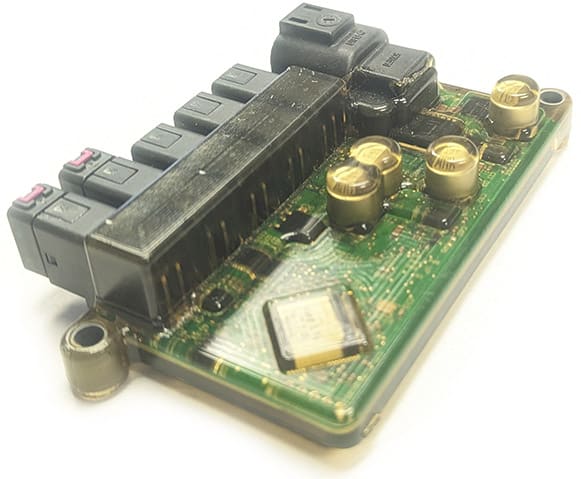
Thermoplastic Elastomer (TPE) rubber overmolding is a manufacturing process that integrates a layer of TPE material onto a substrate, typically a rigid plastic or metal. This process combines the desirable properties of both materials: the structural integrity of the substrate and the flexible, tactile, and protective characteristics of TPE. The TPE layer is molded directly onto or around the existing component, creating a cohesive and durable single unit. This technique finds widespread application in industries requiring enhanced product performance, user experience, and extended lifespan.
The Science Behind the Bond
The success of TPE overmolding hinges on the creation of a robust bond between the TPE and the substrate. This bond is primarily achieved through two mechanisms: chemical adhesion and mechanical interlocking.
Chemical Adhesion
Chemical adhesion occurs when the TPE material forms molecular bonds with the surface of the substrate during the molding process. This is often facilitated by selecting compatible materials with similar polarity or by incorporating adhesion promoters into either the TPE formulation or as a surface treatment for the substrate. For instance, certain TPE grades are engineered to bond effectively with specific engineering plastics like ABS, PC, or nylon without extensive surface preparation. The molecular forces acting at the interface create a strong, often permanent, connection, like two pieces of velcro gripping tightly.
Mechanical Interlocking
Mechanical interlocking, on the other hand, relies on the physical engagement of the TPE with features on the substrate’s surface. This can include undercuts, holes, grooves, or textured finishes that the molten TPE flows into and solidifies around. Imagine a puzzle piece fitting perfectly into its corresponding slot; the TPE occupies these features, preventing separation. This method provides a reliable bond even when chemical adhesion is less pronounced or when dissimilar materials are involved. Often, both chemical and mechanical interlocking mechanisms work in concert to achieve optimal adhesion.
TPE Material Properties
TPEs are a versatile class of copolymers or physical mixtures of polymers, typically a plastic and a rubber. This unique composition grants them characteristics of both thermoplastics and thermoset rubbers. As thermoplastics, they can be repeatedly melted and reformed, making them amenable to injection molding. As elastomers, they exhibit elasticity and flexibility.
Durometer and Hardness
The “softness” or “hardness” of a TPE is measured by its durometer, typically on the Shore A or Shore D scale. Shore A measures softer rubbers, while Shore D measures harder ones. TPEs are available across a wide range of durometers, from very soft, gel-like consistencies (e.g., Shore 20A) to rigid, plastic-like materials (e.g., Shore 60D). This broad spectrum allows engineers to select the optimal hardness for specific applications, whether it’s for enhanced grip, impact absorption, or sealing.
Chemical Resistance
The chemical resistance of TPEs varies significantly depending on their specific formulation. Some grades offer excellent resistance to oils, greases, and many common household chemicals, while others may degrade in the presence of strong solvents or acids. Understanding the intended environment of the product is crucial for selecting a TPE with appropriate chemical resistance. This is akin to choosing the right shield for battle; some shields repel certain attacks better than others.
UV Resistance
Exposure to ultraviolet (UV) radiation can cause degradation in many polymers, leading to discoloration, embrittlement, and a loss of mechanical properties. TPEs exhibit varying degrees of UV resistance. For outdoor applications or products exposed to sunlight, selecting UV-stabilized TPE grades is essential to prevent premature material breakdown and maintain aesthetic appeal and functional integrity over time.
Benefits of TPE Rubber Overmolding for Durability
TPE rubber overmolding offers several distinct advantages that directly contribute to the durability and longevity of products. By integrating a TPE layer, manufacturers can address common failure points and enhance overall product performance in demanding environments.
Enhanced Impact Protection
One of the primary benefits of TPE overmolding is its ability to absorb impact energy. The inherent elasticity and resilience of TPE allow it to deform upon impact, dissipating the force rather than transmitting it directly to the rigid substrate. This acts as a protective buffer, reducing the risk of cracking, chipping, or shattering of the underlying component.
Shock Absorption
Consider a smartphone case: the TPE perimeter effectively acts as a crumple zone, absorbing the energy of a drop and protecting the delicate internal electronics. This shock-absorbing characteristic makes TPE overmolding invaluable for products that are prone to accidental drops or impacts, extending their operational life.
Abrasion Resistance
The TPE layer can also significantly improve the product’s abrasion resistance. If a product is frequently handled, moved, or comes into contact with rough surfaces, the TPE acts as a sacrificial layer, shielding the underlying substrate from wear and tear. This is particularly useful for tools, handles, and electronic devices where surface integrity is crucial for both aesthetics and functionality.
Improved Sealing and Environmental Protection
TPE’s excellent sealing capabilities make it a strong candidate for protecting products from ingress of water, dust, and other contaminants. When molded directly onto a component, TPE can create a continuous, impermeable barrier.
Water and Dust Resistance
By designing appropriate grooves, lips, and compression features, TPE overmolding can achieve high levels of water and dust resistance, often meeting IP (Ingress Protection) ratings. This is critical for outdoor electronics, medical devices, and automotive components that must function reliably in harsh conditions. The TPE acts as a resilient membrane, preventing the outside world from intruding upon the product’s sensitive interior.
Chemical Splash Resistance
Depending on the specific TPE formulation, overmolding can also provide protection against chemical splashes. For laboratory equipment, industrial controls, or medical instruments, the TPE layer can prevent corrosive liquids from reaching and damaging the underlying components, thus ensuring prolonged operation and safety.
Enhanced Grip and Ergonomics
While not directly related to durability in the traditional sense of resistance to damage, improved grip and ergonomics can indirectly contribute to product lifespan by preventing accidental drops and promoting proper handling. A product that is comfortable and secure to hold is less likely to be mishandled or dropped.
Non-Slip Surface
TPEs possess a naturally high coefficient of friction, providing a tactile, non-slip surface. This is particularly beneficial for tool handles, sporting goods, and medical devices where a secure grip is paramount for safe and effective use. Imagine trying to use a wet, smooth object versus one with a textured, grippy TPE surface; the latter is far less likely to slip from your grasp.
Vibration Dampening
The inherent elasticity of TPE can also dampen vibrations, reducing user fatigue and improving comfort during prolonged use. This makes it an ideal material for power tool handles, steering wheels, and other human-machine interfaces where vibration transmission needs to be minimized. The TPE acts as a shock absorber for your hands, mitigating the constant chatter of a vibrating device.
Design Considerations for Optimal Overmolding
Achieving a durable TPE overmolded product requires careful consideration during the design phase. Overlooking critical design elements can compromise the bond between materials and the overall performance of the product.
Material Selection
The choice of both the substrate material and the TPE is paramount. Compatibility is key for strong adhesion.
Substrate Material Properties
The substrate material’s surface energy, heat deflection temperature, and chemical composition all influence the adhesion potential. Some plastics, like ABS and PC, generally bond well with a variety of TPEs. Others, such as polypropylene (PP) or polyethylene (PE), often require specialized TPE grades or surface treatments due to their low surface energy. Metals may require primers or specific mechanical features for robust bonding.
TPE Grade Selection
Different TPE grades are formulated with specific properties in mind. Beyond durometer and chemical resistance, considerations include melt flow index (for ease of molding), UV stability, colorability, and regulatory compliance (e.g., FDA approval for medical applications). Matching the TPE’s processing temperature window with the substrate’s heat deflection temperature is also critical to prevent warping or degradation of the substrate during molding.
Part Geometry and Tooling Design
The physical design of the part and the corresponding mold tooling significantly influence the success and durability of the overmolding process.
Undercuts and Mechanical Interlocks
Incorporating mechanical interlocking features into the substrate design is a robust strategy to enhance bond strength, especially for materials with less inherent chemical affinity. These features can include simple holes, ribs, grooves, or more complex undercuts that encapsulate the TPE. The molten TPE flows into these features and, upon solidification, mechanically locks the TPE layer in place, preventing peel-off or delamination.
Wall Thickness and Flow Paths
Proper design of TPE wall thickness is important for both aesthetics and functionality. Extremely thin sections may not fill consistently, while excessively thick sections can lead to sink marks or extended cooling times. Designing balanced flow paths for the molten TPE ensures even filling and minimizes stress concentrations within the overmolded layer. Gradual transitions in wall thickness are generally preferred over abrupt changes.
Gating and Venting
Effective gating is crucial for introducing the molten TPE into the mold cavity without introducing defects. The gate location and size should optimize fill patterns and minimize shear stress on the TPE. Similarly, adequate venting allows air trapped in the mold cavity to escape, preventing short shots, voids, and burn marks, all of which can compromise the integrity and durability of the overmolded part.
Manufacturing Process and Quality Control

The manufacturing process itself is a critical determinant of the final product’s durability. Adherence to best practices and rigorous quality control are essential to ensure consistent and reliable overmolded parts.
Injection Molding Techniques
TPE overmolding is typically performed using single-shot or two-shot (2K) injection molding processes.
Single-Shot Overmolding
In single-shot overmolding, the rigid substrate is molded first, often in a separate process. It is then transferred to a second mold cavity, where the TPE is injected directly onto or around it. This method is common when the substrate is pre-manufactured or when the production volumes for the TPE layer are significantly different from the substrate. The substrate acts as an insert in the second shot.
Two-Shot (2K) Injection Molding
Two-shot molding, also known as multi-shot molding, integrates both molding processes into a single machine and mold. The substrate is molded in the first shot, and then the mold rotates or slides to a second position where the TPE is injected onto the still-warm substrate. This hot-on-hot bonding can significantly improve adhesion and reduce cycle times, likened to two ingredients being baked together while hot, ensuring a seamless fusion. This method is particularly efficient for high-volume production.
Adhesion Testing and Validation
Ensuring the bond between the TPE and the substrate is robust is critical for product durability. Various testing methods are employed to validate adhesion.
Peel Strength Testing
Peel strength testing measures the force required to separate the TPE layer from the substrate. This is often performed using universal testing machines that pull at a constant rate, providing quantitative data on the bond strength in units like pounds per inch (ppi) or Newtons per millimeter (N/mm). Higher peel strength values indicate a more durable bond, like trying to pull apart two strongly glued pieces.
Shear Strength Testing
Shear strength testing assesses the force required to slide the TPE parallel to the substrate surface. This test is relevant for applications where the overmolding might experience tangential forces. Both peel and shear tests provide valuable insights into the integrity of the material interface.
Environmental Stress Testing
Products destined for harsh environments often undergo accelerated environmental stress testing. This can include exposure to extreme temperatures, humidity, UV radiation, and specific chemicals to evaluate the long-term durability and adhesion integrity under simulated real-world conditions. These tests help identify potential failure modes before the product reaches the end-user.
Real-World Applications and Case Studies
| Metric | Value | Unit | Description |
|---|---|---|---|
| Shore Hardness (A) | 60-90 | Shore A | Typical hardness range for TPE used in overmolding applications |
| Tensile Strength | 8-20 | MPa | Range of tensile strength for TPE rubber materials |
| Elongation at Break | 300-700 | % | Typical elongation percentage before breaking |
| Processing Temperature | 180-230 | °C | Recommended temperature range for injection molding TPE overmolding |
| Adhesion Strength | 3-7 | MPa | Bond strength between TPE and substrate materials |
| Cycle Time | 30-60 | Seconds | Typical molding cycle time for TPE overmolding |
| Density | 0.9-1.2 | g/cm³ | Density range of TPE materials used in overmolding |
TPE rubber overmolding is not just a theoretical concept; its benefits are realized across a vast array of industries and products, contributing to their longevity and user experience.
Consumer Electronics
Smartphones, tablets, and wearable devices frequently utilize TPE overmolding for enhanced protection and improved ergonomics.
Protective Cases and Housings
The edges and corners of electronic devices are often overmolded with TPE to provide impact protection against drops and bumps. This protective layer acts as a shock absorber, shielding delicate internal components. Furthermore, TPEs can be molded into intricate button overlays, creating a tactile and sealed interface for user input while protecting internal switches from dust and moisture.
Grip Enhancements for Wearables
Smartwatches and fitness trackers often feature TPE straps or overmolded elements on their housings. This provides a comfortable fit, prevents skin irritation, and offers a secure, non-slip grip, particularly important during physical activity. The TPE can also provide a degree of water resistance for these devices.
Medical Devices
In the medical field, product durability, sterilization requirements, and patient comfort are critical. TPE overmolding addresses these needs effectively.
Surgical Instrument Grips
Surgical tools benefit from TPE grips that offer enhanced tactile feel and a secure, non-slip hold, even when wet. This improves surgeon control and reduces fatigue during long procedures. The TPE can be formulated to withstand repeated sterilization cycles without degradation, a crucial requirement in healthcare environments.
Seals and Gaskets for Diagnostic Equipment
Many diagnostic and laboratory instruments require hermetic seals to protect sensitive electronics from liquids, chemicals, and contaminants. TPE overmolding can create durable, integrated seals and gaskets that maintain their integrity over extended periods, ensuring the reliability and accuracy of medical equipment.
Automotive Industry
The automotive sector demands high durability, resistance to harsh environments, and aesthetic appeal. TPE overmolding is widely used to meet these stringent requirements.
Interior Components and Controls
Automotive interior components, such as dashboard buttons, gear shift knobs, and steering wheel elements, often feature TPE overmolding. This provides a pleasant soft-touch feel, improves grip, and offers excellent wear resistance against constant handling, ensuring components maintain their aesthetic and functional integrity despite daily use over many years.
Exterior Seals and Gaskets
TPEs are used for various exterior seals and gaskets, such as window seals, door seals, and engine compartment components. Their ability to withstand extreme temperatures, UV radiation, and exposure to oils and fluids contributes to the longevity and performance of vehicle systems, preventing water ingress and reducing noise.
TPE rubber overmolding is a multifaceted manufacturing technique that critically contributes to product durability. By leveraging the unique characteristics of TPEs and applying sound design and manufacturing principles, engineers can create products that are more robust, resistant to environmental stressors, and ultimately, provide a longer service life to the end-user. The synergy of materials and process results in products that stand up to the rigors of their intended use, often silently performing their protective function like an unseen guardian.
This innovative approach not only enhances the mechanical strength of components but also improves their tactile qualities, making them more user-friendly. Furthermore, TPE rubber overmolding allows for intricate designs that can accommodate varying shapes and dimensions, thus expanding the versatility of applications across different industries. As a result, incorporating TPE rubber overmolding into product design is a strategic decision that elevates both functionality and aesthetic appeal, ensuring a competitive edge in the market.