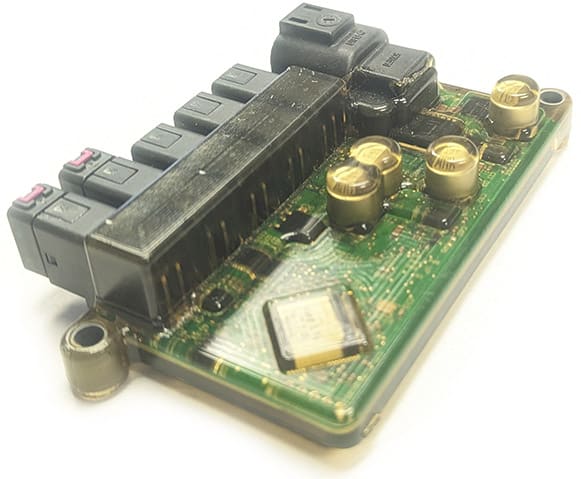

The integration of stator overmolding into electric motor design represents a significant advancement, moving beyond traditional methods of motor construction. Overmolding, in this context, involves encapsulating the stator windings and core with a polymer material. This process, akin to giving the motor a protective exoskeleton, offers a suite of benefits that directly impact motor performance, durability, and manufacturing efficiency. This article will explore the multifaceted advantages and considerations of enhancing motor performance through stator overmolding.
How Stator Overmolding Works
Stator overmolding is a manufacturing technique where a molten polymer is injected around the stationary part of an electric motor, the stator. The stator, which houses the coils of wire that generate the motor’s magnetic field, is typically made of laminated steel sheets stacked together, with copper or aluminum windings threaded through slots in these laminations. Traditionally, these windings are secured and insulated using varnishes or other binding agents applied through dipping or impregnation processes.
Overmolding replaces or supplements these traditional methods by using injection molding or similar processes. The stator assembly is placed into a mold cavity, and a thermoplastic or thermoset polymer is injected under pressure. This polymer flows around the windings, filling any voids and solidifying to create a robust, unitary structure. The choice of polymer is critical and is dictated by the operational requirements of the motor, including temperature resistance, electrical insulation properties, mechanical strength, and chemical resistance. Common materials include epoxies, polyurethanes, and various thermoplastic elastomers. This process, in essence, creates a seamless seal, like a perfectly tailored suit covering the motor’s internal workings.
Materials Used in Overmolding
The selection of polymer materials for stator overmolding is a carefully considered engineering decision, impacting performance across several key areas.
Thermoplastics
Thermoplastics are polymers that soften when heated and harden when cooled, a process that can be repeated. For stator overmolding, this means they can be melted and injected during manufacturing and retain their structural integrity throughout the motor’s operational life. Key characteristics of thermoplastics relevant to overmolding include:
- Ease of Processing: Many thermoplastics can be processed at relatively moderate temperatures and pressures, making them amenable to high-volume, automated manufacturing. This can translate to faster cycle times and lower production costs.
- Recyclability: A significant advantage of thermoplastics is their potential for recycling, contributing to more sustainable manufacturing practices.
- Mechanical Properties: Depending on the specific formulation, thermoplastics can offer good impact strength, flexibility, and abrasion resistance. Examples include polyamides (nylon), polypropylene, and polyethylene.
- Cost-Effectiveness: In many applications, certain thermoplastics present a cost-effective solution compared to thermosets.
However, thermoplastics may have limitations in very high-temperature environments, where their thermal stability might be a concern.
Thermosets
Thermosetting polymers, once cured (often through heat or a chemical reaction), undergo an irreversible chemical change and cannot be remelted and reshaped. They form a rigid, cross-linked molecular structure. In the context of stator overmolding, thermosets offer distinct advantages:
- High Thermal Stability: Thermosets generally exhibit superior resistance to high temperatures compared to thermoplastics. This is crucial for motors operating in demanding environments where heat dissipation is a challenge.
- Excellent Chemical Resistance: They often possess superior resistance to oils, fuels, solvents, and other chemicals, making them suitable for applications in harsh industrial or automotive settings.
- Mechanical Rigidity and Strength: The cross-linked structure of thermosets provides high stiffness, dimensional stability, and excellent mechanical strength, which can help to prevent stator deformation under load.
- Electrical Insulation: Many thermoset formulations provide excellent dielectric properties, ensuring reliable electrical isolation of the windings. Common examples include epoxy resins and polyurethanes.
The processing of thermosets typically involves a curing stage, which adds to the cycle time compared to some thermoplastics. However, their inherent performance characteristics often outweigh this consideration for critical applications.
Fillers and Additives
Beyond the base polymer, various fillers and additives are incorporated into overmolding compounds to tailor their properties. These can include:
- Reinforcing Fillers: Such as glass fibers or mineral fillers, to enhance mechanical strength, stiffness, and thermal conductivity.
- Flame Retardants: To meet stringent flammability standards in specific applications.
- Thermally Conductive Fillers: Such as ceramic or metallic particles, to improve heat dissipation away from the windings, thereby reducing operating temperatures.
- UV Stabilizers and Antioxidants: To improve resistance to degradation from sunlight and oxidation, extending the service life of the motor.
The precise combination of polymer base and additives forms proprietary compounds developed by material manufacturers, each optimized for a specific set of performance requirements.
Performance Advancements Through Stator Overmolding
Improved Thermal Management
One of the most significant contributions of stator overmolding to motor performance lies in its impact on thermal management. Overheating is a primary limiting factor for electric motor efficiency, power density, and lifespan. Traditional stator insulation methods, like varnishing, can create thermal barriers, trapping heat within the windings. Overmolding addresses this in several ways.
Enhanced Heat Dissipation
Overmolding materials, particularly those incorporating thermally conductive fillers like ceramics or metal particles, can act as efficient thermal paths. Instead of a void filled with air or a less conductive varnish, the polymer directly contacts the windings and the stator laminations. This intimate contact allows heat generated in the copper windings, the primary source of resistive losses (I²R losses), to be more effectively transferred to the stator core and subsequently to the motor housing or an external cooling system. This is akin to replacing a loosely fitted blanket with a form-fitting, heat-conducting vest around the motor’s core. This improved heat transfer capability allows motors to operate at higher current densities without exceeding their thermal limits, thus increasing power output for a given motor size and weight.
Uniform Temperature Distribution
The nature of injection molding ensures that the overmolding material fills all available spaces around the windings. This uniformity in encapsulation leads to a more even distribution of temperature across the stator. In traditionally wound stators, “hot spots” can develop due to localized variations in winding density or resin impregnation. These hot spots are particular points of stress, accelerating insulation degradation and potentially leading to premature failure. Overmolding’s consistent application minimizes these hot spots, leading to a more predictable and stable operating temperature profile. This consistency is like ensuring every part of a foundation is equally strong, preventing localized weaknesses.
Reduced Thermal Stress
The mechanical damping effect of the overmolding polymer can also contribute to managing thermal stress. As the motor heats up and cools down during operation, the stator laminations and copper windings expand and contract at different rates. This differential expansion can create mechanical stresses that, over time, can fatigue the insulation or even loosen windings. The resilient nature of many overmolding polymers can absorb some of this vibratory and cyclical thermal stress, protecting the internal components from premature aging.
Enhanced Electrical Insulation and Dielectric Strength
Stator overmolding plays a crucial role in ensuring reliable electrical operation and longevity by improving insulation characteristics.
Superior Dielectric Properties
The polymer used in overmolding is selected for its high dielectric strength, meaning its ability to withstand electrical stress without breaking down and conducting electricity. This is paramount for preventing short circuits between windings, between windings and the stator core, or between windings and external components. The overmolding process creates a continuous, void-free insulating layer that is often superior to the multi-step impregnation and curing processes used in traditional motor manufacturing. This uniform, dense layer is like a flawless barrier against electrical leakage.
Protection Against Environmental Factors
The robust encapsulation provided by overmolding offers excellent protection against various environmental contaminants that can degrade insulation. This includes:
- Moisture Ingress: The polymer acts as a seal, preventing water, humidity, or condensation from reaching the windings. Moisture is a significant cause of electrical insulation breakdown.
- Chemical Contamination: Resistance to oils, fuels, coolants, and other industrial fluids is provided by selecting appropriate polymer formulations. This is vital for motors used in automotive, aerospace, and industrial machinery.
- Dust and Debris: A sealed stator is less susceptible to the accumulation of dust and debris, which can compromise insulation and lead to overheating.
Increased Voltage Withstand Capability
The combination of superior dielectric properties and environmental protection allows overmolded stators to withstand higher operating voltages or transient voltage spikes. This is particularly relevant in applications utilizing pulse-width modulation (PWM) drives, which can introduce high-frequency voltage transients. Enhanced insulation capabilities ensure the motor’s long-term reliability in such demanding electrical environments.
Improved Mechanical Integrity and Durability
Beyond electrical and thermal aspects, stator overmolding significantly bolsters the mechanical robustness of the motor assembly.
Vibration and Shock Resistance
The resilient nature of the overmolding polymer acts as a damping material. This damping effect significantly reduces the transmission of vibrations and shocks to the stator windings and core. In applications where motors are subjected to significant external mechanical disturbances, such as in off-road vehicles, industrial robotics, or power tools, this vibration damping is critical for preventing winding displacement, insulation abrasion, and eventual failure. This is akin to adding shock absorbers to a delicate system.
Securing Windings Against Movement
In traditional stators, vibrations and centrifugal forces (especially in rotating machines) can cause windings to shift or loosen over time. This movement can lead to insulation abrasion and short circuits. Overmolding firmly secures the windings within the polymer matrix, preventing any significant movement during operation. This eliminates a common failure mode associated with mechanical stress, making the motor far more durable. The windings are held in place, like rebar in concrete, providing structural integrity.
Enhanced Resistance to Abrasion
The outer surface of the overmolded stator also gains improved resistance to abrasion. This can be beneficial during the assembly process, transit, or in environments where the motor might come into contact with other components. The polymer shell provides a protective layer against mechanical wear.
Elimination of Air Gaps
The injection molding process ensures that the polymer fills all voids between the windings and the stator core. The absence of air gaps is crucial. Air is a poor conductor of heat and can also act as a dielectric medium that is susceptible to breakdown under high electrical stress. Eliminating these gaps improves thermal path continuity and electrical insulation integrity.
Manufacturing and Design Considerations

Impact on Manufacturing Processes
Stator overmolding presents both opportunities and challenges for manufacturing operations.
Automation and Efficiency
The injection molding process is inherently suited for high-volume automation. Once the tooling is established, overmolding can be highly efficient, leading to faster production cycles and reduced labor costs compared to manual winding and impregnation processes. This efficiency is a key driver for its adoption in mass-produced applications.
Tooling Investment
A significant upfront consideration for adopting stator overmolding is the investment in specialized tooling for the injection molding process. The design of these molds must be precise to accommodate the stator geometry, ensure proper flow of the polymer, and achieve uniform encapsulation. This initial capital outlay can be substantial, especially for custom stator designs or smaller production runs.
Quality Control
Ensuring the quality of the overmolded part requires robust quality control measures. This includes monitoring injection pressure, temperature, material flow, and cycle times. Post-molding inspection might involve visual checks for defects, dimensional analysis, and electrical testing (e.g., hipot testing for dielectric strength). The overall process aims to produce a consistent and reliable end product. The manufacturing process is like a highly calibrated orchestra; each instrument must play its part perfectly.
Design Implications for Motor Performance
The integration of stator overmolding influences design decisions for the entire motor.
Increased Power Density
By enabling higher operating temperatures and more efficient cooling, overmolding allows for motors with higher power output for a given physical size and weight. This is critical for applications where space and weight are at a premium, such as electric vehicles, drones, and portable electronics.
Miniaturization
The enhanced durability and environmental protection provided by overmolding can permit the use of smaller, less robust motor housings, contributing further to miniaturization efforts.
Integration with Other Components
Overmolding can facilitate the integration of the stator with other motor components or even with the motor housing itself. In some designs, the overmolded stator might be directly integrated into a cooling jacket or a structural element of the machine it powers.
Material Selection Trade-offs
Design engineers must carefully balance the desired performance characteristics with material costs and processing limitations. For example, a polymer with excellent thermal conductivity might be more expensive or require more complex processing than a standard option.
Considerations for Maintenance and Repair
The robust encapsulation inherent in stator overmolding presents a challenge for traditional motor repair.
Repair Difficulty
Overmolded stators are generally not designed for repair in the same way as conventionally wound stators. The fused nature of the polymer makes it difficult and often uneconomical to disassemble and re-wind a damaged stator. If the windings or insulation fail, the entire stator, and often the motor, is typically replaced rather than repaired. This shifts the focus from repair to reliability and longevity, as well as cost-effective replacement strategies.
Predictive Maintenance and Monitoring
Given the difficulty of repair, there is an increased emphasis on predictive maintenance and the use of sensors to monitor motor health in real-time. Detecting early signs of potential failure allows for planned downtime and replacement before catastrophic issues occur.
Design for Disassembly (DfD)
While not always feasible for optimal performance, in some applications where repairability is a critical concern, designers might explore ways to facilitate the eventual disassembly of the overmolded stator assembly. However, this often involves compromising some of the performance benefits derived from a fully monolithic overmolded structure.
Applications and Future Trends

Current Applications of Stator Overmolding
Stator overmolding has found its niche in applications where enhanced performance and durability are paramount.
Electric Vehicles (EVs) and Hybrid Vehicles (HEVs)
The automotive industry is a significant adopter of stator overmolding. EVs and HEVs often operate in demanding thermal environments and require high power density and reliability. Overmolding contributes to efficient cooling, enabling higher performance and longer drive ranges while ensuring the motor can withstand the vibrations and harshness of automotive use.
Aerospace and Defense
In aerospace and defense applications, motors are subjected to extreme temperatures, vibration, and often require high reliability with minimal maintenance. Stator overmolding provides the necessary robust insulation and thermal management to meet these stringent requirements.
Industrial Automation and Robotics
For industrial robots, conveyor systems, and automated machinery, motors need to operate continuously and reliably, often in environments with dust, oil, and vibrations. Overmolding enhances motor lifespan and reduces downtime in these critical production settings.
High-Performance Appliances and Power Tools
Certain high-performance appliances and professional-grade power tools also benefit from stator overmolding. These applications often demand compact, powerful motors that can withstand intensive use.
Emerging Trends and Future Potential
The evolution of stator overmolding is driven by ongoing research and development.
Advanced Polymer Formulations
Continued innovation in polymer science is leading to the development of new overmolding materials with even higher thermal conductivity, improved flame retardancy, enhanced mechanical properties, and greater resistance to extreme operating conditions. This includes self-healing polymers and bio-based materials.
Integration with Advanced Cooling Techniques
Future designs may see even closer integration of overmolded stators with advanced cooling systems, such as microchannel cooling or direct liquid cooling, to achieve unparalleled thermal management capabilities.
Optimized Manufacturing Techniques
Developments in additive manufacturing (3D printing) and advanced molding technologies could lead to more efficient and adaptable overmolding processes, reducing tooling costs and enabling greater design flexibility. The exploration of multi-material overmolding might also allow for tailored properties in different regions of the stator.
Increased Focus on Sustainability
As the industry pushes for greater sustainability, the development of recyclable or biodegradable overmolding materials, coupled with more energy-efficient manufacturing processes, will become increasingly important.
Challenges and Overcoming Them
Despite its advantages, stator overmolding faces challenges that drive further innovation.
Cost of Tooling and Materials
The initial investment in tooling and the cost of specialized overmolding materials can be prohibitive for some applications. Ongoing research aims to reduce these costs through more efficient manufacturing processes and the development of more economical material formulations.
Complexity of Design Validation
Validating the performance and reliability of overmolded stators requires sophisticated simulation tools and extensive testing. Ensuring that the polymer truly encapsulates the windings without introducing defects is a complex engineering task.
Environmental Considerations
While some polymers are recyclable, the overall environmental impact of thermoset polymers and the energy required for injection molding processes are areas of continued focus. Research into greener materials and more energy-efficient manufacturing is crucial.
Conclusion
| Metric | Description | Typical Value / Range | Unit |
|---|---|---|---|
| Material Type | Type of polymer used for overmolding the stator | Polyurethane, Epoxy, Silicone | N/A |
| Overmolding Thickness | Thickness of the overmold layer applied on the stator | 0.5 – 3.0 | mm |
| Curing Time | Time required for the overmold material to fully cure | 10 – 60 | minutes |
| Operating Temperature Range | Temperature range the overmolded stator can withstand | -40 to 150 | °C |
| Dielectric Strength | Electrical insulation capability of the overmold material | 15 – 25 | kV/mm |
| Adhesion Strength | Bond strength between stator core and overmold | 5 – 15 | MPa |
| Moisture Resistance | Resistance to moisture ingress after overmolding | High | N/A |
| Production Cycle Time | Time taken to complete one overmolding cycle | 30 – 90 | seconds |
Stator overmolding represents a sophisticated evolution in electric motor construction, moving beyond incremental improvements to offer a paradigm shift in performance and durability. By providing enhanced thermal management, superior electrical insulation, and improved mechanical integrity, this technology allows electric motors to operate more efficiently, reliably, and powerfully. While it introduces new considerations in manufacturing and repair, the benefits it unlocks are substantial, making it a key enabler for advancements in electric vehicles, industrial automation, and other demanding applications. As materials science and manufacturing processes continue to evolve, the role and impact of stator overmolding in shaping the future of electric motor technology are set to expand further.