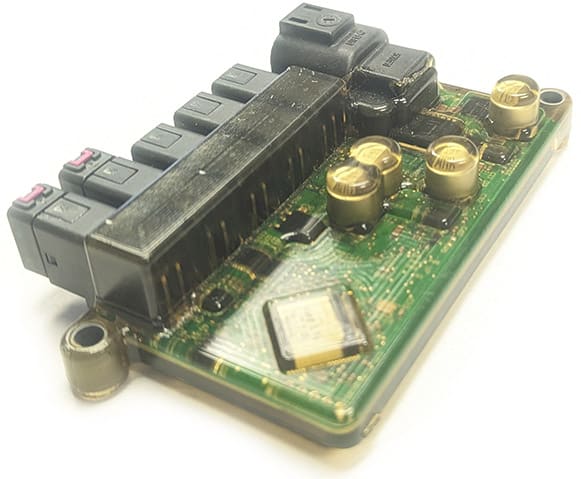

To properly understand potting stators and their impact on electric motor performance, it is often helpful to visualize the components involved. Imagine an electric motor as a finely tuned engine, where the stator, a stationary part containing the windings, is the bedrock upon which the motor’s power is built. Potting, in essence, is like an expertly applied varnish or sealant to this bedrock, solidifying its structure and improving its operational capacity. This article will explore the process, benefits, and considerations of potting stators, illustrating how this technique acts as a critical element in maximizing the efficiency and longevity of electric motors.
Stator potting refers to the process of encapsulating the windings and core of an electric motor’s stator with a resin material. This resin, typically a thermosetting polymer like epoxy, polyurethane, or silicone, hardens to create a solid, protective mass around the stator’s electrical components. The molten resin is introduced into the stator slots after the windings have been inserted. Once cured, it forms a robust interface between the windings, the stator core, and the motor housing. Think of it as building a protective fortress around the vital arteries of the motor.
The “Why”: Addressing Unwanted Motor Behaviors
Electric motors are subject to a range of environmental and operational stresses. Without protection, these stresses can lead to degradation and performance issues. Stator potting directly addresses several common problems:
Vibration and Mechanical Stress
During operation, electric motors generate vibrations. These vibrations, if left unchecked, can cause the fine wires of the stator windings to chafe against each other or the stator core. This abrasion can lead to insulation breakdown, short circuits, and ultimately motor failure. Potting provides a solid matrix that dampens these vibrations, preventing excessive movement and thus reducing mechanical stress on the windings. It’s like adding shock absorbers to a car’s suspension system, smoothing out the jolts.
Thermal Management Challenges
Electric motors generate heat as a byproduct of their operation. This heat, if not managed effectively, can exceed the temperature limits of the winding insulation, leading to premature aging and failure. Potting can play a role in thermal management through several mechanisms:
Improved Heat Dissipation
Certain potting compounds possess good thermal conductivity. When applied correctly, they can act as a heat sink, drawing heat away from the windings and transferring it to the motor housing or other cooling mechanisms. This is akin to creating a more efficient radiator for the motor.
Preventing Air Gaps and Hot Spots
Air is a poor conductor of heat. If air pockets exist between the windings and the stator core, these areas can become localized “hot spots,” leading to accelerated degradation. Potting thoroughly fills these gaps, ensuring more uniform heat transfer and preventing the formation of these detrimental hot zones.
Environmental Contamination
Exposure to moisture, dust, chemicals, and other environmental contaminants can compromise the integrity of stator windings. Moisture can facilitate electrical leakage and corrosion, while dust and debris can physically abrade insulation. Potting creates a sealed barrier, protecting the windings from ingress of these damaging elements, thus extending the motor’s lifespan. This is like waterproofing a sensitive electronic device.
The “What”: Materials and Their Properties
The choice of potting material is a critical decision that influences the effectiveness of the potting process. Different resins offer a range of properties suited to specific motor applications:
Epoxy Resins
Epoxies are a common choice due to their excellent adhesion, mechanical strength, and good electrical insulation properties. They are relatively rigid once cured, providing significant structural support to the windings. However, their rigidity can sometimes be a disadvantage in high-vibration environments where a degree of flexibility might be more beneficial.
Key Characteristics of Epoxy
- High Compressive Strength: Epoxies can withstand significant pressure without deforming.
- Good Chemical Resistance: They offer protection against many solvents and corrosive agents.
- Excellent Electrical Insulation: They prevent the flow of unwanted electrical current.
- Potential for Brittleness: In some formulations, they can be prone to cracking under severe impact or extreme temperature cycling.
Polyurethane Resins
Polyurethanes offer a more flexible alternative to epoxies. This flexibility makes them well-suited for applications where vibration is a significant concern, as they can absorb shock and accommodate thermal expansion and contraction without inducing stress.
Key Characteristics of Polyurethane
- Enhanced Flexibility: Accommodates movement and vibration without fracturing.
- Good Abrasion Resistance: Withstands wear and tear effectively.
- Improved Adhesion to Various Substrates: Bonds well to metals and other motor components.
- Range of Hardness: Available in various durometers to suit different needs.
Silicone Resins
Silicones are known for their exceptional temperature resistance and flexibility across a wide temperature range. This makes them ideal for motors operating in extreme hot or cold environments. They also possess excellent dielectric properties and resistance to UV radiation.
Key Characteristics of Silicone
- Wide Operating Temperature Range: Maintains performance in very high and very low temperatures.
- Excellent UV Resistance: Does not degrade under sunlight exposure.
- Good Electrical Insulation: Maintains its insulating properties even at elevated temperatures.
- Lower Mechanical Strength: Generally less robust mechanically compared to epoxies.
The Process: From Raw Materials to Protected Stator
The potting of stators is a multi-step process requiring precision and controlled conditions to ensure a high-quality and effective encapsulation. It’s a bit like a baker meticulously preparing and baking a cake to ensure consistent texture and flavor.
Pre-potting Preparations
Before the resin is introduced, several crucial steps are taken to ensure optimal adhesion and prevent defects.
Stator Cleaning and Drying
Any oil, grease, moisture, or debris on the stator surface can compromise the bond between the potting compound and the stator. Thorough cleaning and drying are essential. This might involve solvent cleaning, ultrasonic cleaning, or baking procedures. Imagine trying to paint a wall that isn’t clean – the paint won’t adhere properly.
Masking and Fixturing
Certain areas of the stator may need to be kept free of potting material. This could include mounting points, electrical connection terminals, or areas intended for external cooling. Masking tapes or specialized fixtures are used to protect these areas. Similarly, the stator needs to be held securely in place during the potting process to prevent movement.
Resin Mixing and Dispensing
The chosen potting compound is typically supplied as a two-part system (a resin and a hardener) that must be mixed thoroughly before use.
Precise Ratio Control
Accurate mixing ratios are paramount for achieving the desired properties of the cured resin. Incorrect ratios can lead to incomplete curing, reduced mechanical strength, and compromised electrical insulation. Automated dispensing systems ensure consistent and accurate mixing. Think of a chemist carefully measuring ingredients for a reaction.
Vacuum Degassing
Air bubbles trapped within the resin mixture can create voids in the cured potting material, weakening its structure and creating pathways for moisture ingress. Vacuum degassing removes these entrapped air bubbles before the resin is dispensed, ensuring a dense and void-free encapsulation. This is akin to removing air from dough to prevent the bread from being too airy.
The Encapsulation Itself
There are several methods for introducing the resin into the stator, each with its own advantages.
Vacuum Impregnation
This is a widely used method, particularly for stators with complex winding configurations. The stator is placed in a vacuum chamber, and the resin is introduced under vacuum. The vacuum draws the resin into all the nooks and crannies of the stator windings, ensuring complete penetration and eliminating air pockets. The subsequent release of vacuum then forces any remaining air out from beneath the resin. This technique is akin to a deep-sea diver exploring the smallest crevices with specialized equipment.
Pouring and Casting
In simpler stator designs, the resin can be poured directly into the stator slots or around the windings. This method is often used for lower-volume production or for specific types of motors. Proper vibration or agitation might be required to help the resin flow and settle.
Injection Molding
For high-volume production, injection molding can be employed. Pre-formed stator assemblies are placed in molds, and the molten resin is injected under pressure. This method offers high speed and consistency but requires significant upfront tooling investment.
Curing the Potting Compound
Once the resin is in place, it must cure to achieve its final hardened state. The curing process can vary depending on the resin type.
Thermal Curing
Many potting compounds require elevated temperatures to facilitate the curing reaction. Ovens are commonly used for this purpose, with precise temperature and time controls to ensure complete and uniform curing.
Room Temperature Curing
Some resins can cure at ambient temperatures, simplifying the process and reducing energy consumption, although curing times may be longer.
UV Curing
Specific UV-curable resins can solidify rapidly when exposed to ultraviolet light, offering very fast processing times.
Enhancements to Electric Motor Performance
The meticulous application of stator potting translates directly into tangible improvements in electric motor performance, extending its operational life and reliability. It’s not just about aesthetics; it’s about engineering a more robust and efficient machine.
Improved Durability and Longevity
By shielding the windings from vibration, mechanical shock, and environmental contaminants, potting significantly increases the motor’s lifespan. Reduced wear and tear on the insulation means the motor can operate for longer periods without requiring maintenance or replacement. This is like building a bridge with stronger materials that can withstand more traffic and weather without needing constant repairs.
Enhanced Thermal Management and Efficiency
As discussed earlier, proper potting can improve heat dissipation. A cooler-running motor is generally a more efficient motor. Reduced heat generation leads to lower electrical resistance in the windings, minimizing energy loss as heat. This increased efficiency can translate into lower power consumption and operational costs over the motor’s lifetime. Imagine a well-oiled machine running smoothly versus one that’s grinding and overheating – the former uses less energy to achieve the same task.
Reduced Electrical Losses
When windings are tightly packed and well-supported by potting material, they are less prone to vibration-induced micro-movements. These movements can lead to increased electrical resistance and energy loss. Potting effectively stabilizes the windings, minimizing these losses and contributing to overall motor efficiency.
Increased Reliability in Harsh Environments
Motors operating in challenging conditions—such as manufacturing plants, automotive applications, or outdoor equipment—face significant risks from dust, moisture, and chemical exposure. Potting provides a crucial layer of protection, making the motor more resilient and reliable in these demanding scenarios. This is like giving a soldier armor to protect them on the battlefield.
Noise Reduction
The dampening effect of potting compounds can also contribute to reduced motor noise. Vibrations are a primary source of audible noise in electric motors. By absorbing these vibrations, potting helps to create quieter-running motors, which is increasingly important in noise-sensitive applications.
Considerations for Effective Stator Potting
While the benefits of stator potting are substantial, achieving optimal results requires careful consideration of several factors. It’s not a one-size-fits-all solution, and attention to detail is key.
Material Selection
As detailed in the “What” section, the choice of resin is paramount. The operating temperature range, expected vibration levels, chemical exposure, and dielectric requirements of the application must all be considered when selecting the appropriate potting compound. A resin that is too brittle might crack in a high-vibration application, while one that is too soft might not provide sufficient mechanical support.
Thermal Expansion Mismatch
Different materials expand and contract at different rates with changes in temperature. A significant mismatch between the thermal expansion coefficient of the potting compound and the stator core or windings can lead to internal stresses during temperature cycling. This can cause delamination or cracking of the potting material. Formulations with thermal expansion coefficients that closely match those of the surrounding materials are often preferred.
Adhesion to Substrates
The potting compound must adhere strongly to the stator core, windings, and any other components it contacts. Poor adhesion can lead to voids and allow contaminants to enter. Surface preparation, as mentioned in the process section, is critical for ensuring good adhesion.
Potting Compound Viscosity and Flow Characteristics
The viscosity of the resin dictates how easily it flows into the intricate spaces within the stator. A low-viscosity resin is generally better for penetrating tight windings but might be more prone to running out of open areas. Conversely, a high-viscosity resin might not fully encapsulate the windings. The potting process must account for these flow characteristics to ensure complete coverage.
Curing Parameters and Quality Control
Incomplete or improper curing can severely compromise the properties of the potting compound. Ensuring that the curing temperature, time, and atmosphere are controlled according to the manufacturer’s specifications is vital. Quality control measures, such as visual inspection, hardness testing, and dielectric strength testing, can help verify the integrity of the cured potting.
Future Trends and Innovations
| Metric | Description | Typical Value / Range | Unit |
|---|---|---|---|
| Potting Material Type | Type of resin or compound used for potting the stator | Epoxy, Polyurethane, Silicone | – |
| Potting Compound Viscosity | Viscosity of the potting compound before curing | 500 – 5000 | cP (centipoise) |
| Curing Time | Time required for the potting compound to fully cure | 2 – 24 | hours |
| Curing Temperature | Temperature at which potting compound is cured | 25 – 150 | °C |
| Dielectric Strength | Electrical insulation strength of the potting material | 15 – 25 | kV/mm |
| Thermal Conductivity | Ability of potting material to conduct heat away from stator | 0.2 – 1.0 | W/m·K |
| Coefficient of Thermal Expansion (CTE) | Expansion rate of potting material with temperature | 30 – 80 | ppm/°C |
| Potting Thickness | Thickness of potting layer around stator windings | 1 – 5 | mm |
| Adhesion Strength | Bond strength between potting compound and stator materials | 1 – 5 | MPa |
| Moisture Absorption | Amount of moisture absorbed by potting material over time | 0.1 – 1.0 | % weight gain |
The field of stator potting is not static; ongoing research and development are continually pushing the boundaries of what is possible.
Advanced Resin Formulations
New resin chemistries are being developed that offer improved thermal conductivity, enhanced flexibility, better adhesion to exotic materials, and greater resistance to extreme operating conditions. Innovations such as self-healing resins that can repair minor cracks are also being explored.
More Efficient Potting Processes
Technological advancements are leading to more automated and precise potting methods. Advanced dispensing and vacuum impregnation systems are improving consistency and reducing cycle times. The integration of in-line quality monitoring is also becoming more prevalent.
Sustainable Potting Materials
There is a growing interest in developing potting compounds from renewable or recycled materials, or those that are more easily recyclable at the end of a motor’s life. This aligns with broader industry trends towards sustainability.
In conclusion, stator potting is a sophisticated yet essential technique that plays a fundamental role in enhancing electric motor performance. By providing robust protection to the stator windings, it addresses critical issues such as vibration, heat, and environmental contamination. The careful selection of materials and meticulous application of the potting process are pillars upon which improved durability, efficiency, and reliability are built. As technology progresses, we can anticipate further innovations in this vital area, continuing to drive advancements in electric motor design and application.