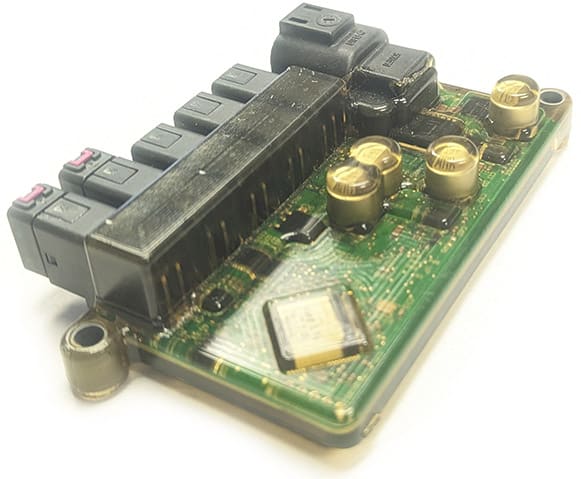

Polypropylene injection molding is a manufacturing process used to produce a wide range of plastic parts. It involves injecting molten polypropylene into a mold cavity under high pressure. The process is highly versatile and cost-effective for mass production of components with intricate designs and tight tolerances.
Polypropylene (PP) is a thermoplastic polymer. It is widely used across industries due to its favorable properties and relatively low cost. Understanding the characteristics of polypropylene is fundamental to its successful application in injection molding.
Chemical Structure and Properties
Polypropylene is a member of the polyolefin family, specifically a linear hydrocarbon polymer with the chemical formula (C₃H₆)n. It is derived from the monomer propylene. This chemical structure contributes to several key properties:
- Low Density: Polypropylene has a density typically ranging from 0.90 to 0.92 g/cm³. This makes it one of the lightest plastics available, which is advantageous for weight-sensitive applications. Imagine it as a lightweight but tough shield.
- High Melting Point: While considered a thermoplastic, its relatively high melting point (around 160-170 °C for homopolymers, and higher for copolymers) allows it to withstand higher service temperatures compared to some other commodity plastics like polyethylene.
- Good Chemical Resistance: Polypropylene exhibits excellent resistance to a wide range of chemicals, including acids, bases, and organic solvents. This makes it suitable for applications involving contact with various substances. It’s like a chemical fortress for your product.
- Good Tensile Strength and Stiffness: Polypropylene offers a good balance of strength and stiffness, allowing it to hold its shape under load. The specific properties can be tailored through variations in molecular weight, crystallinity, and the addition of fillers.
- Fatigue Resistance: It possesses good resistance to fatigue, meaning it can withstand repeated bending or flexing without fracturing. This is crucial for moving parts or components subjected to cyclical stress.
- Electrical Insulation: Polypropylene is a good electrical insulator, making it suitable for electrical and electronic components.
- Hygroscopic Nature: It absorbs very little moisture, which simplifies processing as drying is often less critical than with other hygroscopic polymers.
Types of Polypropylene
The properties of polypropylene can be significantly modified by its manufacturing process and the addition of co-monomers. The primary types used in injection molding are:
- Homopolymer Polypropylene (hPP): This is the simplest form, consisting solely of propylene monomers. It offers high stiffness, good tensile strength, and a high melting point. It tends to be more brittle at low temperatures. Think of this as the bedrock of strength.
- Random Copolymer Polypropylene (rPP): In rPP, propylene monomers are interspersed with small amounts of other monomers, such as ethylene. This disruption of the crystalline structure leads to increased clarity, improved flexibility, and a lower melting point compared to hPP. It also enhances low-temperature impact strength. This is like adding flexibility without sacrificing too much toughness.
- Block Copolymer Polypropylene (bPP): bPP is formed by polymerizing propylene and then introducing ethylene or other alpha-olefins in distinct blocks during a subsequent polymerization step. This results in a material with excellent impact strength, especially at low temperatures, while retaining good stiffness. It is often referred to as “impact polypropylene.” This is the rugged warrior, built to withstand harsh conditions.
The choice of polypropylene type depends directly on the performance requirements of the final molded part.
Polypropylene injection molding is a widely used process in the manufacturing industry, known for its efficiency and versatility. For those looking to deepen their understanding of related techniques, an insightful article on low-pressure overmolding can provide valuable information. This article discusses the nuances of overmolding and its applications, which can complement the knowledge of polypropylene injection molding. To explore this topic further, you can read the article here: Low Pressure Overmolding: Know Your Stuff.
The Injection Molding Process for Polypropylene
The injection molding of polypropylene follows a standard cycle, but specific parameters are critical for achieving optimal results with this material. This process is a precisely orchestrated dance between heat, pressure, and time.
Material Preparation
Before being introduced into the molding machine, polypropylene pellets typically undergo a preparation stage.
- Drying: While polypropylene has low moisture absorption, it is still recommended to dry the material to ensure optimal processing and surface finish. Moisture can cause degradation of the polymer and lead to surface defects such as splay marks or streaks. A desiccant dryer is commonly used for this purpose.
- Melting: The dried polypropylene pellets are fed into a heated barrel of the injection molding machine. A rotating screw within the barrel serves two primary functions: melting the plastic and conveying it forward. The screw’s geometry is designed to compress the material, generate frictional heat, and evenly distribute thermal energy.
Injection Molding Cycle
The injection molding cycle is a repeatable sequence of events:
- Clamping: The mold halves are securely closed and clamped together using hydraulic or mechanical systems. This ensures that the mold can withstand the high pressures involved in filling.
- Injection: Molten polypropylene is injected into the mold cavity through a nozzle. The screw acts as a plunger, forcefully pushing the molten polymer into the confined space. The injection speed is a critical parameter, influencing melt penetration and potential for shear heating.
- Packing/Holding: Immediately after the cavity is filled, a holding pressure is maintained. This pressure compensates for the volumetric shrinkage that occurs as the polypropylene cools and solidifies. Without adequate holding pressure, sink marks and voids can develop in the part.
- Cooling: The mold is cooled using chilled water circulating through channels within the mold plates. This allows the polypropylene to solidify and gain rigidity. The cooling time is a significant factor in the overall cycle time and the dimensional stability of the part.
- Ejection: Once the part has cooled sufficiently, the mold opens, and the molded part is ejected. This is typically achieved using ejector pins that push the part out of the cavity.
Key Process Parameters for Polypropylene
Optimizing the injection molding process for polypropylene involves careful control of several parameters:
- Melt Temperature: This is the temperature of the molten polypropylene as it is injected into the mold. It needs to be high enough to ensure proper flow and filling of the mold cavity, but not so high as to cause thermal degradation of the polymer. For most grades of polypropylene, melt temperatures range from 200°C to 260°C.
- Mold Temperature: The temperature of the mold cavity influences the cooling rate and the final properties of the molded part. Higher mold temperatures generally lead to better surface finish and reduced internal stress, but also increase cycle time. Typical mold temperatures for polypropylene range from 20°C to 80°C. For applications requiring higher clarity or reduced stress, higher mold temperatures may be used.
- Injection Pressure: This is the pressure applied to the molten polypropylene during the injection phase. It needs to be sufficient to fill the mold cavity completely and overcome the resistance of the material flow. High injection pressures can lead to increased shear heating and potential for part warpage.
- Holding Pressure and Time: As mentioned, holding pressure compensates for shrinkage. The level of holding pressure and the duration for which it is applied are crucial for minimizing sink marks and ensuring dimensional consistency.
- Injection Speed: The rate at which the molten polypropylene is injected into the mold. Faster injection speeds can reduce cycle times and improve part appearance, but can also lead to increased shear heating and potential for weld lines.
- Back Pressure: This is the resistance encountered by the screw during the plasticization phase. Moderate back pressure helps to ensure good melting and mixing of the polymer, but excessively high back pressure can increase gate blush and degrade the material.
Each of these parameters acts like a dial on a complex machine, and finding the right combination is key to crafting a perfect component.
Mold Design Considerations for Polypropylene
The design of the injection mold is paramount to the success of molding polypropylene parts. It dictates the flow of material, cooling efficiency, and ease of ejection.
Cavity and Gating Design
The shape and layout of the mold cavity and the gate system are critical.
- Gate Location and Type: The gate is the point where molten polypropylene enters the mold cavity. Its location influences the flow pattern and can be a source of potential defects like weld lines. Common gate types include edge gates, fan gates, submarine gates, and tab gates. The choice depends on the part geometry, material flow, and desired surface finish. A well-placed gate is like the entry point to a carefully planned river.
- Venting: Proper venting is essential to allow trapped air to escape from the mold cavity as it is filled. Insufficient venting can lead to part defects such as short shots, burn marks, and poor filling. Vent channels are shallow grooves designed to allow air and process gases to escape while preventing plastic from escaping.
Cooling System Design
Effective cooling is crucial for minimizing cycle times and ensuring dimensional stability and consistent properties.
- Cooling Channels: The mold should be designed with efficient cooling channels that effectively remove heat from the molten polypropylene. The placement and diameter of these channels are optimized to achieve uniform cooling across the part.
- Uniform Temperature Distribution: Uneven cooling can lead to internal stresses and warpage. The cooling system should be designed to promote uniform temperature distribution throughout the mold cavity.
Ejection System Design
The ejection system must be capable of removing the molded part cleanly and without damage.
- Ejector Pins and Sleeves: Ejector pins are typically used to push the part out of the mold. The number, placement, and size of ejectors are determined by the part geometry and the forces required for ejection. Ejector sleeves can be used for cylindrical features.
- Parting Line: The parting line is the interface between the two halves of the mold. It should be designed to facilitate easy ejection and minimize witness marks on the part.
Advantages and Disadvantages of Polypropylene Injection Molding
Polypropylene injection molding offers a compelling set of benefits, but like any manufacturing process, it also has limitations that must be considered.
Advantages
The widespread adoption of polypropylene injection molding is driven by a number of key advantages:
- Cost-Effectiveness: Polypropylene is a relatively inexpensive raw material. The efficiency and high throughput of the injection molding process further contribute to low per-part costs, making it an excellent choice for high-volume production.
- Versatility: Polypropylene can be molded into a vast array of shapes and sizes, from small, intricate components to larger, more robust parts. Its ability to be compounded with various additives allows for tailoring of properties.
- Good Mechanical Properties (for its class): As discussed, PP offers a good balance of stiffness, strength, and fatigue resistance, making it suitable for many functional applications.
- Chemical Resistance: Its inherent resistance to many chemicals is a significant advantage in applications where exposure to such substances is expected.
- Lightweight: The low density of polypropylene contributes to its use in applications where weight reduction is a priority, such as in automotive components.
- Fast Cycle Times: Once the mold is running efficiently, polypropylene injection molding can achieve very fast cycle times, leading to high production volumes.
- Good Surface Finish: With proper process control and mold design, polypropylene parts can achieve good surface finishes.
- Recyclability: Polypropylene is a recyclable material, aligning with increasing demands for sustainable manufacturing practices.
Disadvantages
Despite its strengths, polypropylene injection molding is not without its drawbacks:
- Temperature Sensitivity: While it has a higher melting point than some other common plastics, polypropylene’s performance can degrade at elevated temperatures. It also becomes more brittle at very low temperatures, particularly homopolymers.
- UV Degradation: Unstabilized polypropylene can be susceptible to degradation from ultraviolet (UV) radiation, leading to embrittlement and loss of mechanical properties. Outdoor applications often require UV stabilizers.
- Scratch Resistance: Polypropylene can be prone to scratching compared to harder engineering plastics. Surface treatments or specialized additives may be needed for applications requiring high scratch resistance.
- Shrinkage: Polypropylene exhibits significant shrinkage upon cooling, which can lead to sink marks and warpage if not carefully managed through process control and mold design. This shrinkage is a characteristic behavioral quirk.
- Weld Lines: When melt fronts meet during injection, weld lines can form. These lines can be areas of reduced strength and can affect the aesthetic appearance of the part.
- Flammability: Standard grades of polypropylene are flammable. Flame retardant additives can be incorporated, but this increases material cost.
- Limited Transparency: While random copolymers can offer some degree of clarity, polypropylene is generally not suitable for applications requiring high transparency.
Polypropylene injection molding is a widely used process in the manufacturing industry, known for its efficiency and versatility in producing various plastic parts. For those interested in exploring real-world applications and examples of this technique, a related article can be found in the gallery section of Overmold Express. This resource showcases a variety of projects that highlight the capabilities of polypropylene in different contexts. You can check it out for inspiration and insights by visiting this link.
Applications of Polypropylene Injection Molded Parts
| Parameter | Typical Value | Unit | Description |
|---|---|---|---|
| Melting Temperature | 220 – 250 | °C | Temperature range for melting polypropylene pellets |
| Mold Temperature | 20 – 80 | °C | Recommended mold temperature for optimal flow and cooling |
| Injection Pressure | 700 – 1500 | bar | Pressure applied to inject molten polypropylene into the mold |
| Cooling Time | 10 – 30 | seconds | Time required for the part to solidify in the mold |
| Cycle Time | 20 – 60 | seconds | Total time for one injection molding cycle |
| Shrinkage | 1.5 – 2.5 | % | Dimensional shrinkage of polypropylene after cooling |
| Specific Gravity | 0.90 – 0.91 | g/cm³ | Density of polypropylene material |
| Viscosity (Melt Flow Index) | 3 – 12 | g/10 min | Measure of flowability of molten polypropylene |
The adaptability and cost-effectiveness of polypropylene injection molding have led to its pervasive use across numerous industries.
Consumer Goods
- Food Containers and Packaging: Polypropylene is extensively used for food containers, caps, and lids due to its food-grade compliance, chemical resistance, and ability to be heat-sealed.
- Household Items: Many common household items, such as buckets, storage bins, furniture components, and kitchenware, are produced using polypropylene injection molding.
- Toys: Its durability, safety, and cost make it a popular choice for manufacturing children’s toys.
Automotive Industry
- Interior Components: Polypropylene’s lightweight nature and impact resistance are valuable for interior automotive parts like door panels, dashboards, trim pieces, and seatbacks.
- Under-the-Hood Components: Certain grades of polypropylene, especially copolymers, can withstand moderate temperatures and chemical exposure, making them suitable for battery cases, fan shrouds, and fluid reservoirs.
Medical Devices
- Disposable Medical Supplies: Due to its sterilizability and cost, polypropylene is used for a range of disposable medical items, including syringes, vials, and medical packaging.
- Components for Reusable Devices: Some components within medical equipment can also be made from polypropylene.
Industrial Components
- Housings and Covers: Electrical enclosures, tool housings, and equipment covers often utilize polypropylene for its robustness and insulation properties.
- Material Handling: Crates, bins, and pallets made from polypropylene offer durability and chemical resistance for industrial logistics.
- Fasteners and Connectors: Various types of plastic fasteners, clips, and connectors are efficiently produced using polypropylene injection molding.
The diversity of applications highlights polypropylene’s role as a workhorse material in modern manufacturing.
Future Trends and Innovations in Polypropylene Injection Molding
The field of polypropylene injection molding is continually evolving, driven by the pursuit of greater efficiency, enhanced material performance, and increased sustainability.
Advanced Material Formulations
- Reinforced Polypropylene: The incorporation of glass fibers, mineral fillers (like talc or calcium carbonate), and other reinforcing agents continues to be a significant area of development. These additives enhance stiffness, strength, and heat resistance, allowing PP to compete with more expensive engineering plastics.
- Nanocomposites: Research into polypropylene nanocomposites, utilizing layered silicates or carbon nanotubes, aims to achieve significant improvements in mechanical properties at very low filler loadings. This approach can offer enhanced strength and barrier properties without a substantial increase in density or significant loss of ductility.
- Bio-based Polypropylene: With the growing emphasis on sustainability, efforts are underway to develop bio-based polypropylene derived from renewable resources. While challenging, progress in this area could lead to a more environmentally friendly alternative to petroleum-based PP.
Process Optimization and Automation
- Smart Manufacturing (Industry 4.0): The integration of sensors, data analytics, and artificial intelligence in injection molding machines is revolutionizing process control. Predictive maintenance, real-time quality monitoring, and automated parameter adjustment are becoming increasingly common, leading to reduced scrap rates and improved efficiency.
- High-Speed Molding: Advances in machine technology, screw designs, and mold cooling systems are enabling even faster cycle times, further boosting productivity for high-volume applications.
- Multi-material Molding: Techniques that allow for the molding of different materials in a single injection cycle are being explored, opening up new design possibilities and functional integration.
Sustainability and Recycling Efforts
- Mechanical Recycling Improvements: While PP is widely recycled, improving the quality and consistency of recycled PP is a key focus. Advanced sorting technologies and compatibilization techniques are being developed to enable the use of higher percentages of recycled content in demanding applications.
- Chemical Recycling: Research into chemical recycling methods aims to break down polypropylene back into its monomer feedstock, allowing for the creation of virgin-quality plastic from waste. This could significantly enhance the circularity of PP.
- Lightweighting: Continued efforts to reduce the weight of molded parts through optimized designs and material innovations contribute to reduced energy consumption during transportation and use.
These ongoing developments suggest that polypropylene injection molding will continue to be a vital and evolving manufacturing technology for the foreseeable future, adapting to new demands for performance, sustainability, and efficiency.
FAQs
What is polypropylene injection molding?
Polypropylene injection molding is a manufacturing process where melted polypropylene plastic is injected into a mold cavity to form a specific shape. Once cooled and solidified, the molded part is ejected from the mold.
What are the common applications of polypropylene injection molding?
Polypropylene injection molding is widely used to produce automotive parts, consumer goods, packaging containers, medical devices, and household items due to its durability, chemical resistance, and flexibility.
What are the advantages of using polypropylene in injection molding?
Polypropylene offers benefits such as low density, high chemical resistance, good fatigue resistance, and ease of processing. It is also cost-effective and recyclable, making it a popular choice for injection molding.
What factors affect the quality of polypropylene injection molded parts?
Key factors include mold design, processing temperature, injection pressure, cooling time, and material quality. Proper control of these parameters ensures dimensional accuracy, surface finish, and mechanical properties.
Can polypropylene injection molding be used for both small and large production runs?
Yes, polypropylene injection molding is suitable for both small and large production volumes. It allows for high repeatability and efficiency, making it ideal for mass production as well as prototyping.