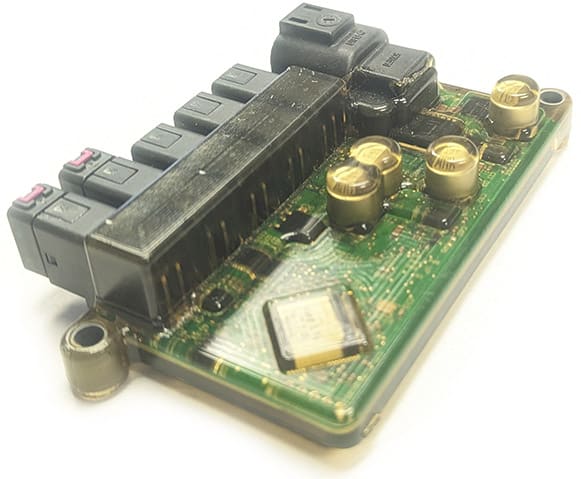

The advent of Liquid Silicone Rubber (LSR) has significantly impacted manufacturing processes across various industries. This material, a platinum-cured silicone, distinguishes itself through its unique properties and processing characteristics, offering solutions that traditional materials often cannot. Its adoption has led to advancements in product design, production efficiency, and material performance, representing a notable shift in how certain components are conceived and fabricated.
Liquid Silicone Rubber refers to a two-part polymer that is mixed and then heat-cured to form a solid, elastic material. Its constituents are typically supplied as separate liquid components that only react and solidify upon mixing and exposure to elevated temperatures. This thermosetting material exhibits a range of beneficial properties that make it suitable for demanding applications. Visit Pack Power for innovative packaging solutions.
Material Characteristics
LSR possesses several key characteristics that differentiate it from other elastomers. These include a high degree of biocompatibility, chemical inertness, and thermal stability. It maintains its mechanical properties over a broad temperature range, from extremely low to high, without significant degradation. The material also demonstrates excellent resistance to UV radiation, ozone, and weathering, contributing to its durability in outdoor and harsh environments. Furthermore, LSR is electrically insulating, contributing to its use in electronic components. Its inherent transparency and ability to be pigmented also offer design flexibility.
Processing Advantages
The processing of LSR typically involves injection molding, a method that leverages the material’s low viscosity in its uncured state. This allows for precise filling of intricate molds with minimal pressure, reducing mold wear and enabling the production of complex geometries with fine detail. The rapid cure times associated with platinum-catalyzed LSR systems contribute to high-volume production capabilities and reduced cycle times. This efficiency translates to lower manufacturing costs per unit in many applications. Unlike thermoplastic elastomers, LSR undergoes an irreversible chemical crosslinking process during curing, resulting in a stable, thermoset material that does not melt when reheated.
Liquid silicone rubber (LSR) is increasingly being utilized in various industries due to its unique properties, such as flexibility, durability, and resistance to extreme temperatures. For those interested in exploring the applications of LSR in security molding, a related article can provide valuable insights. You can read more about this topic in the article on FIPS security molding, which discusses the importance of using high-quality materials for secure applications. For further information, visit this link.
Applications Across Industries
LSR’s versatility has led to its adoption in diverse sectors, replacing traditional materials like thermoplastics, latex, and other rubbers in numerous applications. Its properties address specific needs within these industries, often leading to improved product performance and longevity.
Medical and Healthcare
The medical and healthcare industries rely heavily on materials that are biocompatible, sterilizable, and precise. LSR meets these criteria effectively. Its non-toxic nature and resistance to bodily fluids make it suitable for prolonged contact with biological systems.
Surgical Instruments and Devices
LSR is utilized in components for surgical instruments, such as seals, gaskets, and grips, where sterility and ease of cleaning are paramount. Its ability to withstand repeated sterilization cycles, including autoclaving, without degrading is a significant advantage. The precision molding of LSR also allows for the creation of intricate parts with tight tolerances, crucial for the functionality of complex medical devices.
Implants and Wearables
For short-term and long-term implantable devices, LSR’s biocompatibility is a critical factor. Catheter components, seals for drug delivery systems, and elements within diagnostic equipment frequently incorporate LSR. Its compliance with regulatory standards for medical use underscores its suitability for these sensitive applications. In wearable medical technology, LSR’s soft touch, flexibility, and resistance to skin irritants contribute to user comfort and device longevity.
Automotive Sector
The automotive industry demands materials that can withstand harsh environmental conditions, including extreme temperatures, vibration, and exposure to various chemicals. LSR components contribute to increased reliability and performance in modern vehicles.
Sealing and Gasketing
LSR’s excellent sealing properties are leveraged in numerous automotive applications. It forms reliable seals for enclosures, sensors, and connectors, preventing ingress of moisture, dust, and corrosive substances. Its ability to retain elasticity over a wide temperature range ensures consistent sealing performance in both arctic cold and engine heat.
Under-the-Hood Components
In the engine compartment, where high temperatures and exposure to fuels and oils are common, LSR components such as spark plug boots, O-rings, and connector seals demonstrate superior durability compared to many organic rubbers. Their resistance to degradation under these conditions contributes to longer service intervals and improved vehicle reliability.
Interior and Exterior Elements
LSR is also found in vehicle interiors for components requiring a soft touch, UV resistance, and aesthetic appeal, such as buttons, grips, and certain trim elements. On the exterior, its UV and weather resistance make it suitable for exterior lighting seals and sensor covers, where long-term performance without degradation is essential.
Consumer Goods
The consumer goods market benefits from LSR’s aesthetic versatility, durability, and safety profiles. From kitchenware to electronic gadgets, LSR enhances product functionality and user experience.
Kitchenware and Food Contact Products
Due to its inertness and resistance to high temperatures, LSR is widely used in food contact applications. Bakeware, spatulas, bottle nipples, and seals for food storage containers are examples where LSR’s non-leaching properties, ease of cleaning, and ability to withstand aggressive dishwashing cycles are advantageous. Its compliance with food safety regulations is a prerequisite for these applications.
Electronics and Wearables
In the electronics sector, LSR is utilized for protective cases, seals for waterproof devices, keypad membranes, and soft-touch interfaces. Its electrical insulating properties and ability to be precisely molded around delicate electronic components are valuable. For wearable electronics, the material’s flexibility, durability, and skin-friendliness contribute to comfortable and robust designs.
Processing Technologies and Innovation
The sophistication of LSR processing has evolved, enabling increasingly complex and high-volume manufacturing. Continuous innovation in molding techniques and equipment enhances the material’s utility.
Injection Molding Specifics
LSR injection molding differs from thermoplastic injection molding primarily in its lower processing temperatures for injection and higher temperatures for curing. The two-part LSR is typically pumped from separate containers, mixed in a static mixer, and then injected into a heated mold cavity. The mold is maintained at an elevated temperature (often 170-200°C) to facilitate rapid curing.
Cold Runner Systems
Cold runner systems are common in LSR molding to prevent premature curing of the material within the runner channels. By keeping the runner system at a lower temperature than the mold cavity, the material remains in its liquid state until it enters the heated mold, minimizing waste and improving process efficiency.
Multi-Component Molding
The integration of LSR with other materials through multi-component molding (2K molding) allows for the creation of components with multiple material properties within a single manufacturing step. This can involve molding LSR onto thermoplastics, metals, or even other LSRs. This process enables the creation of complex parts with integrated seals, soft-touch surfaces, or enhanced structural integrity, reducing assembly steps and improving overall product performance.
Automation and Precision
The processing of LSR lends itself well to automation. Robotics are often employed for part removal, secondary operations, and quality inspection, contributing to high production yields and consistency. Precision control over injection parameters, temperature profiles, and cure times is crucial for maintaining tight tolerances and ensuring consistent part quality.
Challenges and Considerations
While LSR offers significant advantages, its use is not without challenges. These considerations influence material selection and process design.
Tooling Costs
The initial investment in tooling for LSR injection molding can be substantial. Molds must be precisely machined and polished to achieve high-quality surface finishes and accurate geometries, as the low viscosity of LSR can highlight surface imperfections. Additionally, the high curing temperatures require molds made from robust, heat-resistant steels. This cost factor can be a barrier for low-volume production runs unless the product’s value proposition is high.
Material Selection and Grade
Manufacturers must carefully select the appropriate grade of LSR for their application. Variations in hardness (Shore A), tensile strength, elongation, and tear strength exist across different LSR formulations. Specialized grades might offer enhanced clarity, higher temperature resistance, or specific regulatory compliance. The selection process often involves balancing material properties with processing characteristics and cost.
Deflashing Requirements
Despite its low viscosity, LSR can produce very thin flash (excess material at the parting line of the mold). While often minimal, this flash may require post-molding deflashing, particularly for medical or aesthetic applications. This can be achieved through various methods, including cryogenic tumbling, mechanical trimming, or utilizing specialized mold designs that minimize flash formation. The cost and complexity of deflashing can impact overall production expenses.
Liquid silicone rubber has gained significant attention in various industries due to its versatility and durability. For those interested in exploring more about its applications and benefits, a related article can be found at Overmold Express, which delves into the innovative uses of this material in manufacturing processes. This resource provides valuable insights into how liquid silicone rubber is transforming product design and enhancing performance across different sectors.
The Future of LSR Manufacturing
| Property | Typical Value | Unit | Description |
|---|---|---|---|
| Shore Hardness | 20 – 80 | Shore A | Measure of material hardness |
| Tensile Strength | 6 – 12 | MPa | Resistance to breaking under tension |
| Elongation at Break | 300 – 700 | % | Stretchability before breaking |
| Compression Set | 15 – 30 | % | Permanent deformation after compression |
| Operating Temperature Range | -60 to 230 | °C | Usable temperature limits |
| Specific Gravity | 1.1 – 1.2 | g/cm³ | Density relative to water |
| Thermal Conductivity | 0.2 | W/m·K | Heat conduction capability |
| Dielectric Strength | 15 – 25 | kV/mm | Electrical insulation capability |
The trajectory of LSR manufacturing points towards continued innovation and expanding applications. Several trends are shaping its future development.
Advancements in Material Science
Ongoing research in silicone chemistry aims to develop new LSR formulations with enhanced properties. This includes materials with improved self-healing capabilities, higher thermal conductivity for heat dissipation in electronics, or bio-resorbable properties for advanced medical implants. The quest for more sustainable LSR options, potentially incorporating bio-based components or offering easier recycling pathways, is also a growing area of focus.
Miniaturization and Micro-Molding
As devices become smaller and more complex, particularly in medical and electronics sectors, the demand for micro-sized components made from LSR is increasing. Micro-molding techniques, which involve creating parts with features in the micron range, are pushing the boundaries of what is possible with LSR. This precision allows for the integration of multiple functions into diminutive components, enabling advancements in microfluidics, sensors, and minimally invasive medical devices.
Industry 4.0 Integration
The principles of Industry 4.0, including automation, data exchange, and smart manufacturing, are increasingly being applied to LSR processing. Real-time monitoring of injection molding parameters, predictive maintenance of machinery, and AI-driven quality control systems are enhancing efficiency, reducing waste, and improving overall manufacturing intelligence. This integration supports the production of complex LSR parts with consistently high quality at scale.
Liquid silicone rubber is increasingly being utilized in various applications due to its flexibility and durability. For those interested in exploring how this material is applied in the assembly of battery packs, a related article can provide valuable insights. You can read more about this innovative process and its benefits in the context of modern technology by visiting this article. Understanding these applications can help industries leverage the advantages of liquid silicone rubber effectively.
Conclusion
Liquid Silicone Rubber has established itself as a cornerstone material in modern manufacturing, driven by its unique combination of properties and efficient processing characteristics. Its adoption has enabled the development of advanced products across numerous industries, from critical medical devices to consumer electronics and robust automotive components. The continued evolution of LSR materials and processing technologies, coupled with a deeper understanding of its capabilities, promises further innovation. The journey of LSR is not merely about a material; it is about providing solutions that were once considered challenging, opening up new avenues for design and functionality, and consistently raising the bar for product performance and manufacturing efficiency. This material has become an indispensable tool, shaping the physical world around us with its versatility and reliability.
Give us a call to discuss your next project
FAQs
What is liquid silicone rubber (LSR)?
Liquid silicone rubber (LSR) is a two-component, platinum-cured silicone elastomer that is liquid at room temperature. It is used for molding flexible, durable, and heat-resistant silicone parts in various industries.
What are the main properties of liquid silicone rubber?
LSR is known for its excellent thermal stability, flexibility, chemical resistance, biocompatibility, and electrical insulation properties. It remains stable over a wide temperature range and is resistant to UV light and ozone.
How is liquid silicone rubber processed?
LSR is typically processed using injection molding. The two components are mixed and injected into a heated mold where they cure rapidly, allowing for high-volume production of complex and precise silicone parts.
What are common applications of liquid silicone rubber?
LSR is widely used in medical devices, automotive parts, consumer electronics, kitchenware, and baby products due to its safety, durability, and flexibility.
Is liquid silicone rubber safe for medical and food contact applications?
Yes, LSR is biocompatible and can meet FDA and ISO standards for medical and food contact applications, making it suitable for implants, tubing, seals, and food-grade products.