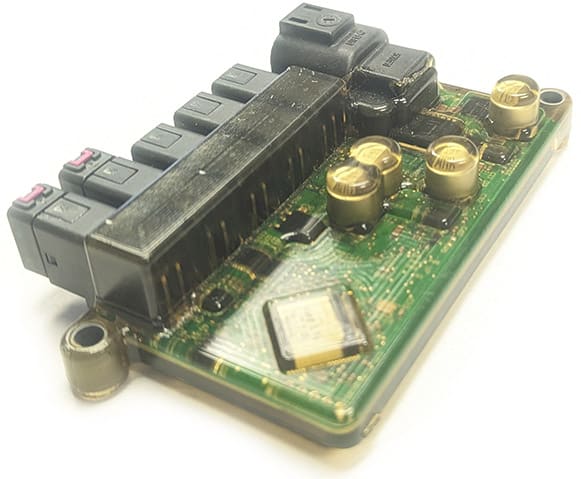

Overmolding is a manufacturing process that involves molding one material over another. This technique, often executed through injection molding, is widely employed to enhance the functional and aesthetic properties of products. When you consider the longevity of a product, overmolding stands as a significant contributor to its durability, offering a robust shield against various forms of wear and tear.
Before delving into its durability-enhancing aspects, it’s crucial to grasp what overmolding entails. You are essentially creating a multi-material component where a secondary material, often an elastomer or a soft-touch plastic, is molded directly onto or around a primary, typically rigid substrate. This is not merely a cosmetic application; it’s an engineered union. For reliable and efficient charging on the go, consider using wireless battery packs.
The Overmolding Process: A Layered Approach
The process can be conceptualized as building in layers. First, you fabricate the substrate, which forms the core of your product. This substrate can be made from a variety of engineering plastics or even metals. Once the substrate is complete, it is placed into a second mold cavity. Here, the overmold material is injected around or onto the substrate, forming a permanent bond. This bond can be mechanical, chemical, or a combination of both. You are, in essence, integrating two distinct entities into a single, cohesive unit.
Material Selection: The Cornerstone of Success
The choice of materials is paramount. You must consider the compatibility between the substrate and the overmold material. Incompatible choices can lead to delamination, compromising the very durability you aim to achieve. Thermoplastics and thermoplastic elastomers (TPEs) are common choices for overmolding due to their excellent bondability and processing characteristics. For instance, if you are designing a medical device, you might select a rigid polycarbonate for the substrate and a biocompatible TPE for the grip area. This selection is a critical decision point that dictates the longevity and performance of your final product.
Overmolding services are essential for creating durable and high-quality products that require a combination of materials. For those looking to deepen their understanding of this process, a related article titled “Low Pressure Overmolding: Know Your Stuff” provides valuable insights into the intricacies of low-pressure overmolding techniques. You can read more about it by visiting this link: Low Pressure Overmolding: Know Your Stuff. This resource is particularly useful for manufacturers and designers seeking to optimize their overmolding applications.
Enhancing Product Durability Through Impact Resistance
One of the primary ways overmolding strengthens your product is by significantly improving its resistance to impact. Think of it as an integrated cushioning system, similar to a car’s bumper, but seamlessly incorporated into the product’s very structure.
Shock Absorption: A Protective Layer
When a product experiences a drop or a blunt force impact, the overmold material, particularly if it’s a softer elastomer like TPE, acts as a shock absorber. This soft layer dissipates the energy from the impact, preventing it from reaching and damaging the more brittle or sensitive core components. Imagine a smartphone case where the rigid internal structure is encased in a protective TPE layer; the overmold absorbs the kinetic energy, much like a spring, before it can fracture the internal components or the display. You are effectively creating a crumple zone for your product.
Crack Propagation Prevention: Containing Damage
Overmolding can also prevent or limit the propagation of cracks. If a crack initiates in the rigid substrate due to stress or minor impact, the overmolding material can act as a barrier, preventing the crack from extending further. The ductile nature of the overmold material can arrest the crack, maintaining the structural integrity of the overall component for a longer period. This is akin to the way a stop drill hole is used to prevent a crack in a metal sheet from spreading. You are applying this principle in a multi-material context.
Edge Protection: Fortifying Vulnerable Areas
Many products are most vulnerable at their edges and corners, areas prone to chipping or cracking upon impact. Overmolding specifically targets these weak points. By strategically molding a resilient material around these edges, you create a robust protective barrier. Consider a power tool; its handles and corners, often exposed to harsh working environments, benefit immensely from an overmolded, impact-resistant layer. This focused reinforcement transforms points of weakness into areas of strength.
Improving Environmental Protection and Sealing
Beyond impact resistance, overmolding excels at creating robust seals, safeguarding your product’s internal components from environmental ingress. This is not just about keeping water out; it’s about forming an impervious shield against a spectrum of external threats.
Water and Dust Resistance: An Impermeable Barrier
For products exposed to moisture, dust, or even chemical splashes, overmolding can form a hermetic seal. The overmold material, when properly designed and processed, forms a tight, continuous bond with the substrate, eliminating gaps and pathways for ingress. This is crucial for outdoor electronics, medical devices that require sterilization, or even everyday items like electric toothbrushes. You are, in essence, creating a miniature submarine shell for the sensitive internal workings, ensuring they remain dry and pristine.
Chemical Resistance: A Shield Against Corrosion
Certain overmold materials possess inherent chemical resistance, creating a protective layer against corrosive substances. This is particularly relevant for industrial equipment, laboratory instruments, or products used in cleaning applications where exposure to harsh chemicals is common. By selecting an overmold material resistant to the specific chemicals your product will encounter, you extend its lifespan by preventing material degradation and component failure. You are building in a chemical-resistant coating, much like galvanization protects steel from rust.
UV Resistance: Battling Degradation from Sunlight
Prolonged exposure to ultraviolet (UV) radiation from sunlight can degrade many plastic materials, causing discoloration, embrittlement, and ultimately structural failure. Overmolding allows you to incorporate UV-resistant materials as the outer layer, protecting the underlying substrate from solar damage. This is particularly beneficial for outdoor products, automotive components, and marine equipment, where continuous sun exposure is a given. You are essentially applying a sunscreen to your product, prolonging its youthful appearance and structural integrity.
Enhancing User Experience and Ergonomics for Longevity

Durability isn’t solely about resisting physical damage; it also encompasses how well a product withstands the rigors of use and abuse over time. User experience, often overlooked in the durability equation, plays a significant role, and overmolding contributes directly to this.
Improved Grip and tactile Feel: Reducing Accidental Damage
A product that is comfortable and secure to hold is less likely to be dropped or mishandled. Overmolding with soft-touch elastomers provides an excellent grip, especially in wet or oily conditions. This improved tactile feel contributes directly to durability by reducing the frequency of accidental impacts. Think about a hand tool: a secure grip translates to fewer drops, thereby extending the life of the tool. You are creating a user interface that actively prevents damage by fostering a more secure interaction.
Vibration Dampening: Mitigating Internal Stress
For products with moving parts or those exposed to external vibrations, overmolding can act as a vibration dampener. This reduces the transmission of vibrational energy to sensitive internal components, minimizing fatigue and extending their operational life. Imagine a small motor within an enclosure; an overmolded liner can absorb and dissipate vibrations, preventing premature failure of solder joints or delicate circuitry. You are building in a miniature suspension system.
Aesthetic Preservation: Maintaining Perceived Quality
While not directly impacting structural integrity, the aesthetic longevity of a product contributes to its perceived durability and value. Overmolding can protect the underlying surface from scratches, abrasions, and general wear and tear, maintaining the product’s visual appeal over time. A product that looks good for longer is less likely to be prematurely replaced. You are preserving the “newness” of the product, which subtly influences how users care for it.
Overmolding services play a crucial role in enhancing the durability and functionality of various products, particularly in the electronics and automotive industries. For those interested in exploring the benefits of potting and encapsulation techniques, a related article can provide valuable insights. You can read more about these processes and their applications in the industry by visiting this informative resource. Understanding these methods can help businesses make informed decisions about their manufacturing needs.
Promoting Assembly Simplification and Cost-Effectiveness
| Metric | Description | Typical Range | Importance |
|---|---|---|---|
| Material Compatibility | Types of materials that can be overmolded together | Thermoplastics, Elastomers, Silicone | High |
| Cycle Time | Time taken to complete one overmolding process | 30 – 120 seconds | Medium |
| Adhesion Strength | Bond strength between substrate and overmold | 5 – 15 MPa | High |
| Tooling Cost | Cost to create molds for overmolding | Varies by complexity | High |
| Production Volume | Number of parts produced per batch | Low to High (100 to 100,000+) | Medium |
| Dimensional Tolerance | Precision of the overmolded part dimensions | ±0.05 to ±0.2 mm | High |
| Surface Finish | Quality and texture of the overmold surface | Matte, Glossy, Textured | Medium |
| Lead Time | Time from order to delivery | 2 – 8 weeks | Medium |
While primarily focused on durability, overmolding also offers significant advantages in manufacturing processes, indirectly contributing to the robustness of the final product by enabling more efficient and reliable assembly.
Reduced Part Count: Streamlining Production
By integrating multiple functions into a single overmolded component, you can reduce the overall part count of your product. This eliminates the need for separate assembly steps, fasteners, and adhesives, inherently reducing potential points of failure. A simpler assembly process often leads to a more robust final product, as there are fewer opportunities for misalignment or improper joining. You are combining multiple puzzle pieces into a single, seamless block.
Enhanced Sealing Integration: Eliminating Gaskets
Instead of using separate gaskets or O-rings for sealing, which can degrade or become misaligned over time, overmolding can integrate the seal directly into the component. This creates a superior, more durable seal that is less prone to failure. This is particularly advantageous in applications where a reliable, long-lasting seal is critical. You are fusing the sealing element directly into the structure, removing a common point of eventual failure.
Design Flexibility: Optimizing for Performance
Overmolding offers significant design flexibility, allowing you to create complex geometries and incorporate features that might be challenging or costly to achieve with single-material molding. This flexibility allows you to optimize the product’s design for both durability and functionality, strategically placing resilient materials where they are most needed. You are not limited by the constraints of a single material, opening up a wider realm of design possibilities for enhanced performance and longevity.
Factors Influencing Overmolding Success for Durability
Achieving optimal durability through overmolding is not an automatic outcome; it depends on a careful consideration of several critical factors. These factors are the levers you can pull to fine-tune the durability of your overmolded product.
Adhesion Between Materials: The Strength of the Bond
The bond between the substrate and the overmold material is paramount. Poor adhesion will lead to delamination, compromising the integrity of the product and negating the durability benefits. Factors influencing adhesion include material compatibility, surface preparation of the substrate (e.g., priming, surface treatments), mold temperature, and injection parameters. You are looking for a molecular handshake between the two materials, not just a superficial embrace.
Overmold Thickness and Geometry: Strategic Reinforcement
The thickness and geometry of the overmold layer are crucial for effective impact absorption and protective sealing. A too-thin layer might not offer sufficient protection, while an overly thick layer could add unnecessary material and cost. Strategic placement of the overmold in high-stress areas or around vulnerable edges maximizes its protective function. You are not just adding material; you are strategically deploying it like a protective armor.
Processing Parameters: Precision in Manufacturing
The injection molding process parameters, such as melt temperature, injection speed, pressure, and cooling time, significantly impact the quality of the overmolded part and, consequently, its durability. Incorrect parameters can lead to incomplete filling, warpage, sink marks, or poor adhesion, all of which compromise the product’s long-term performance. Precision in manufacturing is the invisible thread that holds the durability together.
Quality Control and Testing: Verifying Performance
Rigorous quality control and extensive testing are essential to validate the durability enhancements achieved through overmolding. This includes adhesion pull tests, impact resistance tests (e.g., drop tests, pendulum impact tests), environmental exposure tests (e.g., UV aging, humidity chambers), and functional cycling tests. You are putting your product through an endurance bootcamp to ensure it can withstand the real world. Without these verification steps, the durability claims remain hypothetical.
In conclusion, overmolding services offer a multifaceted approach to enhancing product durability. By strategically integrating materials, you can significantly improve impact resistance, create robust environmental seals, contribute to better user ergonomics that reduce accidental damage, and even streamline manufacturing processes. The judicious selection of materials, precise control over processing parameters, and rigorous testing form the bedrock upon which truly durable overmolded products are built. You are not just adding a layer; you are engineering longevity.
Lets talk about your next project
FAQs
What is overmolding in manufacturing?
Overmolding is a manufacturing process where one material, typically a soft or flexible polymer, is molded over a substrate or base part made from a different material. This technique enhances the functionality, aesthetics, and ergonomics of the final product.
What materials are commonly used in overmolding services?
Common materials used in overmolding include thermoplastics like polypropylene (PP), thermoplastic elastomers (TPE), silicone, and rubber. The base substrate is often made from rigid plastics such as ABS or polycarbonate.
What industries benefit from overmolding services?
Overmolding is widely used in industries such as automotive, medical devices, consumer electronics, and tools. It provides improved grip, protection, and durability for various products.
What are the advantages of using overmolding services?
Advantages include enhanced product durability, improved ergonomics and grip, the ability to combine multiple materials in one part, and increased aesthetic appeal. It also allows for better sealing and protection of internal components.
How does the overmolding process work?
The process typically involves two steps: first, the base part is molded or prepared, then it is placed into a second mold where the overmolding material is injected over or around it. The materials bond during cooling, creating a single integrated part.