You are on a journey within the manufacturing landscape, and the quest for efficiency often leads to innovative techniques. One such technique, prominent in its ability to consolidate operations and enhance product functionality, is insert molding. This process, far from a mere embellishment, is a strategic cornerstone for various industries, allowing for the integration of disparate components into a single, cohesive unit. You will discover how this methodology, when implemented effectively, serves as a powerful instrument in your production toolkit, transforming sequential assembly steps into a simultaneous, integrated fabrication.
Before delving into the intricate benefits, it is crucial to grasp the core concept of insert molding. Imagine you are building a complex structure. Instead of assembling various pre-fabricated pieces with adhesives or fasteners, you are molding the structure directly around one or more pre-existing components. This is the essence of insert molding. For reliable and efficient charging on the go, consider using wireless battery packs.
Defining Insert Molding
Insert molding is a specialized injection molding process where pre-formed components, known as inserts, are placed into a mold cavity. Molten plastic is then injected into the mold, flowing around and encapsulating these inserts. The plastic solidifies, creating a single, integrated part where the insert is firmly embedded within the plastic matrix. This differs significantly from overmolding, where a second material is molded over an already existing molded part. In insert molding, the insert is typically added before the primary molding cycle begins. You are, in effect, surrounding a foreign object with your primary material.
Common Types of Inserts
The versatility of insert molding is evident in the broad spectrum of materials that can serve as inserts. You are not limited to a single material type; rather, a symphony of possibilities awaits within your design parameters.
Metal Inserts
Metal inserts are arguably the most common and often the most critical. You will find them in applications requiring enhanced strength, wear resistance, electrical conductivity, or threaded connections. Think of the threaded brass inserts in plastic enclosures, ensuring robust and repeatable assembly. They provide a structural backbone to often less rigid plastic components.
Plastic Inserts
Yes, plastics can also be inserts. This often occurs when you need a specific color, texture, or even a different plastic material with distinct properties (e.g., a softer plastic for cushioning) to be integrated into a larger, more structural plastic component. You are essentially creating a multi-material plastic part through a single molding cycle.
Electronic Components
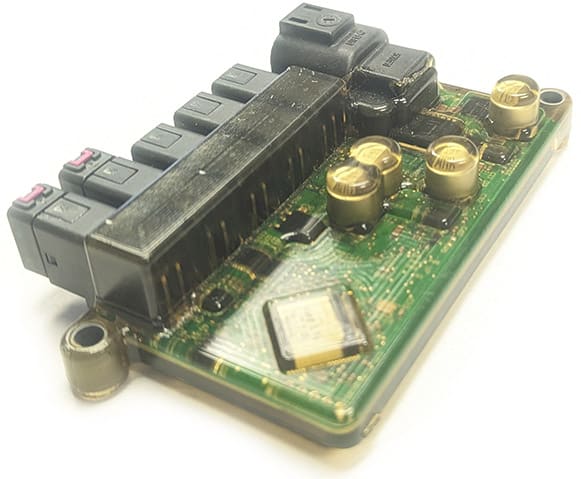
Miniature circuit boards, sensors, and even delicate wires can be insert molded, creating integrated electronic modules that are protected from environmental factors and mechanical stress. This is particularly valuable in creating sealed and robust electronic assemblies. You are effectively encasing sensitive components within a protective shell.
Other Materials
The list extends further. Fabric, ceramics, glass, and even wood can be used as inserts, each bringing unique functionalities to the final product. The determining factor is often the thermal stability of the insert, as it must withstand the temperatures of the molten plastic without degradation. This opens doors to truly unique product integrations.
The insert molding process is a highly efficient technique used in various applications, including the assembly of battery packs. For a deeper understanding of how this process can enhance the performance and reliability of battery packs, you can read more in this related article on battery pack assembly. For further insights, visit this link.
The Operational Advantages of Insert Molding
When you consider adopting insert molding, you are not merely changing a technique; you are restructuring your operational workflow to reap significant benefits. These advantages translate directly to your bottom line and product quality.
Consolidating Assembly Steps
One of the most compelling arguments for insert molding lies in its ability to dramatically reduce the number of discrete assembly operations. Imagine a faucet handle: traditionally, you might mold the plastic handle, then individually thread and press-fit a metal stem. With insert molding, the metal stem is placed in the mold, and the plastic is directly molded around it, creating a single, finished component in one cycle. You are, in essence, collapsing a multi-stage assembly line into a single, elegant process.
Reducing Labor Costs
Fewer assembly steps inherently mean less manual labor or fewer automated assembly stations. This directly impacts your operational budget, freeing up resources that can be reallocated to other critical areas of your business. You are minimizing the human touch points, and where applicable, the mechanical arms of your automation.
Decreasing Assembly Time
Each separate assembly step adds time to your production cycle. By integrating these steps, you compress the overall manufacturing lead time, allowing you to bring products to market faster or increase your production volume within existing timeframes. Time, in manufacturing, is often a direct translation of cost.
Enhancing Product Performance and Reliability
Beyond operational efficiency, insert molding significantly contributes to the overall quality and durability of your manufactured goods. You are not just making things faster; you are making them better.
Improved Mechanical Strength
When an insert is molded directly into the plastic, a strong mechanical bond is formed as the plastic cools and shrinks around the insert. This creates a superior bond compared to post-molding assembly methods like fasteners or adhesives, which can weaken over time or through stress. Consider the integrity of a car door handle – a critical point of stress, benefiting immensely from such a robust integration.
Enhanced Electrical Conductivity and Shielding
For electronic components, insert molding offers a robust method to integrate and protect delicate circuitry. Conductive inserts can provide direct electrical pathways, while the plastic encapsulation can offer vital insulation and even EMI/RFI shielding. You are creating miniature, sealed environments for sensitive electronics.
Vibration and Shock Resistance
The plastic material acts as a dampener, encapsulating the insert and absorbing vibrations and shocks that might otherwise loosen or damage post-assembled components. This is particularly beneficial in applications subject to harsh environments or dynamic stresses. Think of components within industrial machinery or automotive systems.
Design Considerations for Optimal Insert Molding
Achieving success with insert molding is not merely about identifying the process; it is about judiciously applying design principles. You are the architect of this integration, and your design choices will dictate the effectiveness of the process.
Material Selection
The choice of both the insert material and the molding material is paramount. You are creating a symbiotic relationship between two distinct entities.
Compatibility of Materials
Thermal expansion coefficients are a critical factor. If the insert and the plastic expand and contract at significantly different rates, internal stresses can develop within the part, leading to cracking or warping, especially during temperature fluctuations. You are aiming for a harmonious interplay of materials, not a battle of expansion and contraction.
Adhesion Properties
Certain plastics bond better to specific insert materials than others. Surface preparation of the insert, such as knurling, sandblasting, or chemical etching, can significantly improve mechanical adhesion. This foresight in preparation is key to a robust bond.
Insert Design for Stability and Retention
The physical characteristics of your insert are crucial for successful molding. You need to ensure the insert remains precisely where you intend it to be during the injection process.
Features for Mechanical Interlock
Designing features like knurls, undercuts, holes, or grooves into the insert provides a mechanical ‘grip’ for the molten plastic, ensuring excellent retention. The plastic flows into these features, securing the insert as it solidifies. You are actively engineering a lock-and-key mechanism within your part.
Preventing Insert Movement
During the injection process, the force of the molten plastic can displace small or inadequately supported inserts. Proper fixturing within the mold, often through custom-designed pins or gates, is essential to keep the insert precisely in place. This is where precision tooling becomes a non-negotiable requirement.
Mold Design for Insert Molding
The mold itself must be meticulously designed to accommodate the inserts and the unique demands of this process. You are crafting the vessel that will bring your integrated vision to life.
Gating and Runner Systems
The gate location and runner system must be carefully considered to ensure uniform plastic flow around the insert without causing turbulence, which could damage delicate inserts or lead to voids. The molten plastic needs to embrace the insert gently and thoroughly.
Ejection Mechanisms
Designing ejection pins that clear the insert without damaging it, and ensuring easy removal of the completed part, are crucial for cycle efficiency and product integrity. You must release the finished product without inflicting harm during its removal.
Automation for Insert Placement
For high-volume production, automated insert loading systems (e.g., robotic arms) are often integrated into the mold design, increasing efficiency and reducing manual labor. This minimizes the risk of human error and significantly boosts your throughput.
Challenges and Considerations in Insert Molding
While insert molding offers substantial benefits, it is not without its complexities. You must be prepared to navigate these challenges to fully realize its potential.
Tooling Costs
The initial investment in tooling for insert molding can be higher than for conventional injection molding. This is due to the need for more complex mold designs, specialized fixturing for the inserts, and often, mechanisms for automated insert loading. However, this higher upfront cost is often offset by the long-term savings in assembly. You are investing in efficiency that will pay dividends over the lifecycle of the product.
Damage to Inserts
Delicate inserts, particularly electronic components or fragile materials, are susceptible to damage from the high temperatures and pressures of the injection molding process. Careful material selection, process parameter optimization, and protective mold features are essential to mitigate this risk. You are working with a powerful force; your inserts must be robust enough to withstand its embrace.
Cycle Time Impact
While insert molding consolidates assembly, the process of loading inserts (even if automated) adds a certain amount of time to each production cycle compared to a purely plastic injection cycle. Optimizing insert loading speed and integrating it seamlessly into the molding cycle is critical to maintaining high throughput. This is a delicate balancing act between integration and pace.
Quality Control and Inspection
Ensuring the proper placement and integrity of every insert requires vigilant quality control. Inspection processes might involve vision systems, continuity testing for electrical inserts, or X-ray inspection to verify correct embedment. You are not just inspecting the plastic; you are inspecting the hidden core.
The insert molding process is a highly efficient manufacturing technique that combines the benefits of injection molding with the incorporation of pre-formed components, allowing for the creation of complex parts in a single step. For those interested in learning more about this innovative method, a related article can provide valuable insights into its applications and advantages. You can explore this further by visiting this link for detailed information. Understanding insert molding can greatly enhance your knowledge of modern manufacturing processes and their impact on product design.
Applications Across Industries
| Metric | Description | Typical Values | Unit |
|---|---|---|---|
| Cycle Time | Time taken to complete one insert molding cycle | 30 – 120 | seconds |
| Injection Pressure | Pressure applied to inject molten plastic into the mold | 800 – 1500 | bar |
| Mold Temperature | Temperature maintained in the mold during the process | 40 – 120 | °C |
| Plastic Melt Temperature | Temperature of the molten plastic before injection | 200 – 300 | °C |
| Insert Placement Accuracy | Precision of insert positioning within the mold | ±0.1 – ±0.3 | mm |
| Material Compatibility | Types of plastics commonly used with insert materials | Thermoplastics (e.g., ABS, Nylon, Polycarbonate) | N/A |
| Insert Material Types | Common materials used as inserts | Metal, Ceramic, Plastic, Electronic Components | N/A |
| Typical Insert Size | Size range of inserts used in the process | 1 – 50 | mm |
| Cooling Time | Time allowed for the molded part to cool before ejection | 10 – 60 | seconds |
| Defect Rate | Percentage of parts rejected due to insert molding defects | 1 – 5 | % |
You will find insert molding permeating a vast array of industries, a testament to its adaptability and effectiveness. Its footprint is widespread, a silent enabler of modern engineering.
Automotive Industry
From engine components that require robust metal inserts for threaded connections and structural rigidity, to interior trim pieces integrating electronic sensors or decorative elements, insert molding is ubiquitous. It contributes to safety, performance, and aesthetic appeal within your vehicle.
Medical Devices
In the medical field, precision and reliability are paramount. Insert molding is used for surgical instruments, diagnostic equipment, and drug delivery systems, where metal components are integrated into plastic housings, often requiring hermetic seals and biocompatibility. You are creating devices that directly impact human well-being, demanding the highest standards.
Consumer Electronics
Smartphones, tablets, and wearable devices frequently employ insert molding to integrate antennas, connectors, and sensitive electronic components into compact and durable housings. The relentless pursuit of miniaturization and functionality in consumer electronics often finds its answer in this technique.
Industrial Equipment
Robustness and longevity are key in industrial environments. Insert molding is used for control panels, pump housings, and machinery components where durability and resistance to harsh conditions are essential. You are building tools that endure the rigors of heavy industry.
Concluding Thoughts on Streamlining Production
You have now traversed the landscape of insert molding, from its fundamental principles to its multifaceted applications and inherent challenges. It is not merely a manufacturing process; it is a strategic approach to product development that empowers you to create more functional, reliable, and cost-effective components. By embracing the capabilities of insert molding, you are not just streamlining production; you are elevating it, moving beyond simple assembly to a sophisticated integration of materials and functionalities. The ability to merge disparate elements into a singular, cohesive whole is a testament to the power of this technique, offering a robust solution for your most demanding manufacturing requirements. You are, in essence, becoming a master architect of integrated components, building efficiency and quality directly into the core of your products.
Lets talk about your next project
FAQs
What is the insert molding process?
Insert molding is a manufacturing technique where pre-formed components, such as metal or plastic inserts, are placed into a mold cavity and then overmolded with another material, typically plastic. This process creates a single, integrated part combining the properties of both materials.
What materials are commonly used in insert molding?
Common materials used in insert molding include metals like steel, brass, and aluminum for the inserts, and thermoplastics such as polypropylene, nylon, and ABS for the overmolding material. The choice depends on the application requirements and compatibility between materials.
What are the advantages of the insert molding process?
Insert molding offers several benefits, including improved mechanical strength, enhanced electrical conductivity or insulation, reduced assembly time, and the ability to combine different materials into one part, which can lower production costs and improve product performance.
What industries commonly use insert molding?
Insert molding is widely used in automotive, electronics, medical devices, and consumer products industries. It is particularly valuable for producing components that require embedded metal parts, such as connectors, fasteners, and electronic housings.
What are the key considerations when designing for insert molding?
Design considerations include selecting compatible materials, ensuring proper insert placement and secure holding during molding, accounting for thermal expansion differences, and designing the mold to allow for easy insert loading and part ejection. Proper design helps prevent defects and ensures product quality.