You are seeking to streamline your manufacturing processes, reduce costs, and elevate the quality of your components. Insert molding services represent a powerful avenue to achieve precisely these objectives. This article will serve as your guide to understanding and leveraging insert molding to its fullest, transforming your production landscape from a collection of discrete steps into a cohesive, efficient workflow.
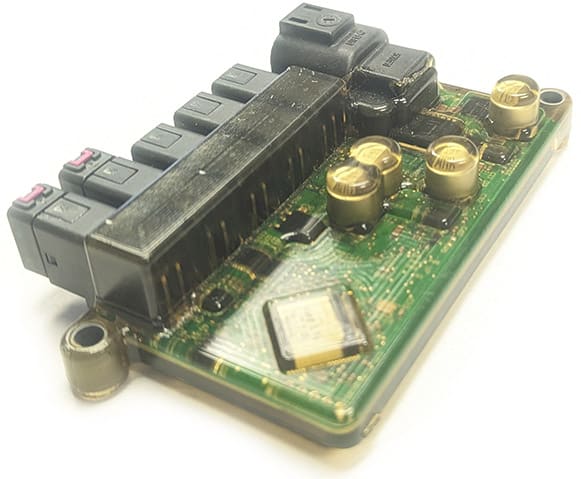
Insert molding is a specialized manufacturing process where a pre-formed component, known as the insert, is placed into a mold cavity. Molten plastic is then injected into this cavity, encapsulating the insert and bonding with it to create a single, integrated part. This differs fundamentally from traditional two-shot molding, where multiple plastic materials are molded sequentially without a pre-existing solid component. The insert acts as a foundational element, providing a critical feature or structural integrity that is then encased by the plastic. For reliable and efficient charging on the go, consider using wireless battery packs.
The Material Spectrum of Inserts
The versatility of insert molding originates from the wide array of materials that can serve as inserts. These are not limited to metals alone.
Metallic Inserts: The Backbone of Conductivity and Strength
- Metals: This is the most common category. Copper, brass, aluminum, steel, and stainless steel are frequently employed. Their inherent conductivity makes them ideal for electrical connectors, terminals, and heat sinks. Their sheer strength is invaluable for components requiring load-bearing capabilities, such as threaded shafts, pins, and housings for moving parts. The precise dimensions and tolerances achievable with metallic inserts are crucial for high-performance applications. Think of them as the steel rebar within a concrete structure; they provide the essential framework and reinforcement.
Non-Metallic Inserts: Adding Layers of Functionality
- Ceramics: Less common but increasingly relevant, ceramic inserts offer exceptional hardness, wear resistance, and thermal insulation. They are suitable for specialized applications where extreme environments are encountered, such as in certain aerospace or medical devices.
- Plastics: While seemingly counterintuitive, some rigid plastic inserts can be used to create complex geometries or integrate features that would be difficult or impossible to mold in a single injection cycle. This can involve overmolding a pre-molded housing with a different material for improved grip or aesthetics.
- Glass: Glass inserts can be utilized for optical components or for creating a hermetic seal within a plastic assembly. Their transparency and chemical inertness are key advantages.
- Composites: Advanced composite materials can provide a unique blend of strength, stiffness, and lightweight properties. Their use in inserts is often application-specific, catering to high-performance demands.
The Polymer Matrix: More Than Just Plastic
The plastic material that encapsulates the insert is as critical as the insert itself. The selection of the polymer directly influences the final product’s performance, durability, and cost.
- Thermoplastics: The bread and butter of injection molding, thermoplastics like ABS, polycarbonate, nylon, and polypropylene are widely used. Their ability to be repeatedly melted and solidified makes them ideal for high-volume production. The choice depends on factors such as desired mechanical properties (strength, flexibility), chemical resistance, temperature resistance, and UV stability.
- Thermosets: While less common in insert molding due to their irreversible curing process, thermosets like epoxies can be employed in specialized applications requiring superior thermal stability and chemical resistance. However, they demand more precise control over the molding cycle.
- Elastomers: For applications requiring flexibility and shock absorption, elastomers like TPEs (thermoplastic elastomers) are the material of choice. They can provide a soft-touch grip or act as a seal, integrating seamlessly with rigid inserts.
For those interested in enhancing their manufacturing processes, exploring insert molding services can provide significant advantages. This technique allows for the integration of various components into a single molded part, improving durability and reducing assembly time. By utilizing insert molding, companies can achieve greater design flexibility and cost efficiency, making it a valuable option for a wide range of applications.
Benefits of Embracing Insert Molding Services
The decision to integrate insert molding into your manufacturing strategy is often driven by a compelling set of advantages that directly impact your bottom line and product quality. Moving beyond conventional methods allows you to unlock a new level of product sophistication and production efficiency.
Cost Reduction: A Greener Bottom Line
The financial implications of adopting insert molding are often profound. By eliminating or reducing secondary operations, you directly slash labor costs, tooling expenses, and assembly time.
- Reduced Assembly Labor: Instead of separate components that require manual or automated assembly, insert molding creates a single, integrated unit. This eliminates the need for fastening, gluing, or welding, a substantial saving in labor and time. Imagine a complex electronic connector: each pin would traditionally need to be individually inserted and secured. With insert molding, the entire assembly is formed in one go.
- Minimized Secondary Operations: Processes such as machining, embossing, plating, and post-molding cleaning are often rendered obsolete by the insert molding process. The desired features, like threads or electrical contacts, are integrated directly into the molded part. This is akin to building a house with prefabricated wall sections versus constructing each stud and piece of drywall individually on-site; the former is significantly faster and more efficient.
- Consolidated Tooling: In some cases, a single insert molding tool can replace multiple tools required for separate molding and assembly steps. This not only reduces tooling investment but also simplifies inventory management and maintenance.
- Improved Material Utilization: By precisely encasing the insert, insert molding minimizes material waste associated with trimming, excess material, or rejects from complex assembly sequences.
Enhanced Product Performance and Durability
Beyond cost savings, insert molding delivers tangible improvements in the quality and longevity of your finished products. The inherent bonding and integration lead to superior performance characteristics.
- Superior Mechanical Strength and Integrity: The plastic melt flows around and often into intricate features of the insert, creating a strong mechanical and/or chemical bond. This results in parts that are more rigid, less prone to vibration-induced failures, and capable of withstanding higher stress loads compared to assembled components. Think of a well-cured adhesive bonding two surfaces versus merely resting them against each other; the bond provides the strength.
- Improved Electrical Conductivity and Insulation: Metallic inserts can be precisely positioned to form electrical contacts or conductive paths. The surrounding plastic then provides excellent electrical insulation, preventing short circuits and ensuring reliable performance in electronic devices. This precise placement is like having a dedicated highway for electricity, free from obstructions.
- Enhanced Sealing Capabilities: Inserts can be molded with features that create hermetic seals against the plastic, essential for applications in harsh environments, medical devices, or where fluid containment is critical. The plastic acts as a seamless barrier when bonded correctly.
- Increased Dimensional Stability: The insert, often made of a more rigid material than the plastic, can help to maintain the overall dimensional accuracy and stability of the molded part, especially under varying temperatures and mechanical loads.
Design Flexibility and Complexity
Insert molding empowers designers to create components that were previously impractical or impossible to manufacture using traditional methods. The ability to integrate disparate elements opens up a world of innovative design possibilities.
- Integration of Multiple Materials and Functions: This is the hallmark of insert molding. You can combine the electrical conductivity of metal with the insulation of plastic, the strength of metal with the grip of rubber, or the hardness of ceramic with the moldability of plastic, all within a single, monolithic part. This is like a Swiss Army knife for your components, packing multiple functionalities into one unit.
- Creation of Complex Geometries: Inserts can introduce intricate features like threads, splines, internal cavities, or specific surface textures that are difficult or impossible to achieve with single-shot molding. The insert acts as a pre-defined mold feature.
- Aesthetic Customization: Different colored plastics can be used to encapsulate inserts, or inserts themselves can be aesthetically pleasing, contributing to the final product’s visual appeal.
- Miniaturization: The efficiency of insert molding often allows for the creation of smaller, more integrated components, which is crucial for the trend towards miniaturization in many industries.
The Insert Molding Process: A Step-by-Step Blueprint
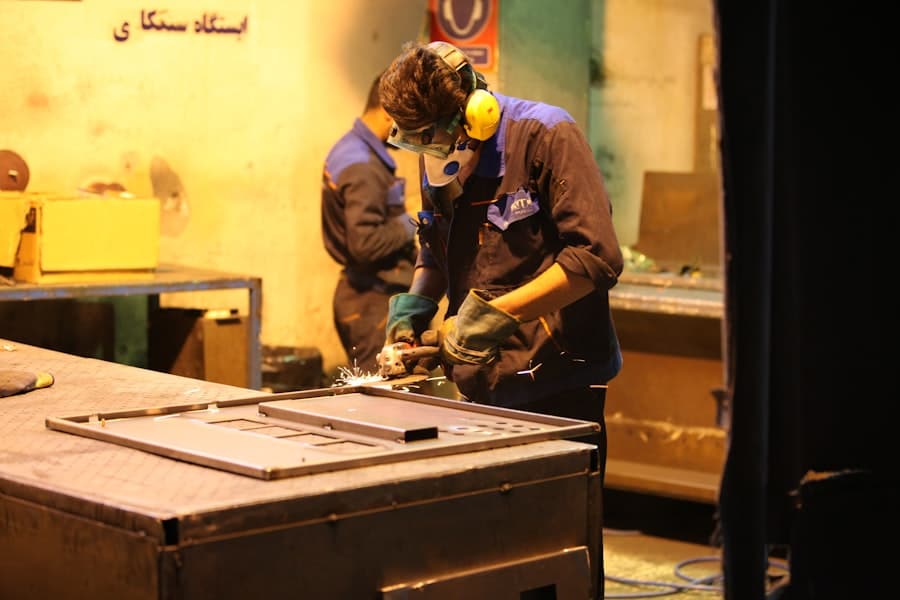
To truly harness the power of insert molding, understanding the methodical progression of the process is essential. Each stage plays a crucial role in the successful creation of your integrated components.
Mold Design and Engineering: The Foundation of Success
The effectiveness of an insert molded part is critically dependent on the meticulous design of the mold. This is where precision and foresight are paramount.
- Insert Fixturing and Placement: The mold must incorporate mechanisms to precisely hold and locate the insert within the cavity before the plastic injection. This can involve pins, locators, or even magnetic systems. Accurate placement prevents misalignment and ensures the insert is correctly positioned for optimal bonding.
- Gating and Venting Strategy: Careful consideration is given to where the molten plastic enters the mold (gating) and where trapped air can escape (venting). This impacts fill patterns, pressure distribution, and the prevention of defects like short shots or air traps.
- Cooling Channels: The efficient removal of heat from the mold is vital for controlling cycle times and solidifying the plastic part. The placement and design of cooling channels are optimized to ensure uniform cooling.
- Ejection System: A robust ejection system is designed to safely and efficiently remove the finished part from the mold without damaging the insert or the molded plastic.
Insert Preparation and Loading: The Crucial First Step
The quality of the insert itself and its preparation are fundamental prerequisites for a successful molding outcome.
- Surface Treatment: Depending on the materials involved, the insert may require surface treatments to promote adhesion with the plastic. This can include cleaning, etching, or plating. A roughened or chemically treated surface acts like a microscopic landscape for the plastic to grip.
- Preheating (Optional): In some instances, the insert may be preheated to a specific temperature to prevent thermal shock when it encounters the hot molten plastic. This ensures a more uniform melt and better bonding.
- Automated vs. Manual Loading: Inserts can be loaded into the mold cavity manually or via automated systems, such as robotic pick-and-place. Automation is typically employed for high-volume production to ensure consistency and efficiency.
Injection Molding: The Core Encapsulation
This is the stage where the plastic material envelops the insert, forming the final integrated component.
- Injection Pressure and Speed: These parameters are carefully controlled to ensure the molten plastic fills the mold cavity completely and uniformly around the insert without displacing or damaging it.
- Melt Temperature: The temperature of the molten plastic is critical for achieving good melt flow and proper bonding with the insert material.
- Holding Pressure: After initial filling, a holding pressure is maintained to compensate for shrinkage as the plastic cools and solidifies, ensuring a dense and defect-free part.
Cooling and Ejection: The Final Release
Once the plastic has solidified, the part is ready for removal.
- Controlled Cooling: The mold is cooled to a point where the plastic part can be handled without deformation. The cooling time is a significant factor in overall cycle time.
- Part Ejection: The part is then ejected from the mold cavity, ready for subsequent inspection or finishing operations.
Optimizing Your Insert Molding Strategy: A Path to Peak Performance
Achieving maximum efficiency with insert molding is not a passive outcome; it’s a result of proactive planning and continuous improvement. By focusing on key areas, you can transform your insert molding operations into a well-oiled machine.
Strategic Material Selection: The Cornerstone of Success
The choice of insert material and encapsulating plastic is paramount. Making informed decisions here sets the stage for optimal performance and cost-effectiveness.
- Adhesion Properties: Understanding the adhesion characteristics between the insert material and the chosen plastic is crucial. Some combinations bond more readily than others. Surface preparation or specific polymer grades may be necessary to achieve robust bonding.
- Thermal Expansion Compatibility: Significant differences in the coefficients of thermal expansion between the insert and the plastic can lead to stress and potential failure, especially under fluctuating temperature conditions. Material selection should consider this compatibility.
- Chemical and Environmental Resistance: Ensure that both the insert and the plastic can withstand the intended operating environment of the finished component. This includes resistance to chemicals, UV radiation, moisture, and extreme temperatures.
- Cost-Benefit Analysis: While performance is critical, the cost of materials must also be weighed. Finding the right balance between functional requirements and economic viability is key to maximizing efficiency.
Precision Tooling and Mold Maintenance: The Heartbeat of Production
The mold is the engine of your insert molding operation. Its accuracy and longevity are directly tied to your production efficiency.
- High-Quality Tooling: Investing in well-engineered, precision-manufactured molds is non-negotiable. Poorly designed or fabricated molds will lead to part defects, increased scrap rates, and longer cycle times.
- Regular Maintenance Schedule: Implement a rigorous preventive maintenance program for your molds. This includes cleaning, inspection for wear and damage, and lubrication. A well-maintained mold operates reliably and minimizes downtime.
- Mold Flow Analysis: Utilize mold flow simulation software during the design phase to predict how the plastic will flow and fill the mold. This helps to optimize gating, venting, and cooling, preventing potential issues before tooling is even manufactured.
Process Control and Automation: Driving Consistency and Speed
Robust process control and strategic automation are the accelerators of efficiency in insert molding.
- Real-Time Monitoring: Implement systems to monitor critical process parameters, such as injection pressure, melt temperature, and cycle time, in real time. This allows for immediate adjustments to ensure consistent part quality.
- Statistical Process Control (SPC): Employ SPC techniques to analyze process data and identify trends or deviations that could lead to defects. This proactive approach helps maintain a stable and efficient process.
- Robotic Integration: Automate insert loading, part transfer, and even quality inspection using robotics. This significantly increases throughput, reduces human error, and improves workplace safety. Think of robots as tireless, precise assembly line workers who never need a break.
- Vision Inspection Systems: Integrate automated vision inspection systems to detect cosmetic and dimensional defects on finished parts, ensuring high-quality output and minimizing manual inspection labor.
If you’re interested in exploring advanced manufacturing techniques, you might find our article on insert molding services particularly insightful. This process combines multiple materials into a single component, enhancing product durability and functionality. Understanding the intricacies of insert molding can significantly benefit your project, especially if you’re looking to optimize production efficiency and reduce costs.
Applications of Insert Molding: Where Efficiency Meets Innovation
| Metric | Description | Typical Range | Importance |
|---|---|---|---|
| Material Compatibility | Types of materials that can be used in insert molding (e.g., metals, plastics) | Thermoplastics, Thermosets, Metals | High |
| Insert Size Range | Dimensions of inserts that can be accommodated | 1 mm to 100 mm (varies by service provider) | Medium |
| Cycle Time | Time taken to complete one molding cycle | 30 seconds to 3 minutes | High |
| Tolerance | Dimensional accuracy achievable in molding | ±0.05 mm to ±0.2 mm | High |
| Insert Placement Accuracy | Precision of insert positioning within the mold | ±0.1 mm | High |
| Production Volume | Typical batch sizes for insert molding | Low to High (prototypes to mass production) | Medium |
| Material Bond Strength | Strength of adhesion between insert and molded material | Varies by material, typically strong enough for structural use | High |
| Cost Efficiency | Cost-effectiveness for different production volumes | More efficient at medium to high volumes | Medium |
The versatility of insert molding translates into its widespread adoption across a multitude of industries, where its benefits are leveraged to create superior components.
Automotive Industry: Building for the Long Haul
The automotive sector relies heavily on insert molding for components that demand durability, reliability, and weight reduction.
- Electrical Connectors and Terminals: Metallic inserts provide conductivity and secure connections, enclosed in insulating plastic for safety and reliability in complex wiring harnesses.
- Sensors and Actuators: Inserts can form the core of sensors, providing precise metallic elements that are then encapsulated in protective plastic housings, often designed to withstand harsh under-hood environments.
- Valve Bodies and Housings: For fluid control systems, metallic inserts can provide wear-resistant surfaces and precise flow paths, while the plastic encases them for sealing and overall component integrity.
- Fuel System Components: Components requiring resistance to fuel and other chemicals often utilize insert molding with specialized plastics and metallic inserts.
Electronics and Electrical Devices: Powering the Future
In the rapidly evolving world of electronics, insert molding is crucial for creating compact, reliable, and high-performance components.
- Connectors and Sockets: Integrated metallic pins and contacts are precisely positioned and encapsulated to create robust connectors for PCBs, cables, and power supplies.
- Switches and Potentiometers: Inserts can form the conductive elements and mechanical linkages within switches, providing durability and precise operation.
- Battery Terminals and Holders: Secure and reliable electrical connections are paramount for battery-powered devices, and insert molding ensures this integrity.
- LED Housings and Optics: While less common for optical clarity, inserts can be used to create precise mounting points or heat sinks within LED housings.
Medical Devices: Precision for Health
The stringent requirements of the medical industry make insert molding an ideal solution for creating safe, sterile, and highly functional components.
- Surgical Instruments: Metallic components requiring strength and sterility, such as surgical tool tips or handles, can be integrated with ergonomic plastic grips.
- Drug Delivery Devices: Precise fluidic paths and secure sealing are critical in drug delivery systems, where insert molding can ensure accuracy and reliability.
- Diagnostic Equipment: Components requiring both electrical signals and mechanical precision can benefit from the integrated nature of insert molded parts.
- Implants and Prosthetics (Specialized): In certain niche applications, biocompatible inserts are encapsulated with specialized medical-grade plastics.
Consumer Goods: Enhancing Everyday Products
From appliances to power tools, insert molding adds value and functionality to a wide range of consumer products.
- Tool Handles and Grips: Combining rigid plastic with overmolded elastomeric grips provides enhanced comfort, shock absorption, and secure handling.
- Appliance Components: Knobs, handles, and internal functional parts requiring metallic inserts for strength or conductivity are efficiently produced using insert molding.
- Personal Care Devices: Components in shavers, electric toothbrushes, and hair dryers often benefit from the integration of metallic blades or rotating elements within plastic housings.
Conclusion: Your Integrated Future
Insert molding services are more than just a manufacturing technique; they represent a strategic advantage. By understanding its principles, embracing its benefits, and meticulously optimizing its application, you can unlock unprecedented levels of efficiency, product quality, and design innovation. Your journey towards a more streamlined and competitive manufacturing future begins with the thoughtful integration of insert molding into your production arsenal.
Lets talk about your next project
FAQs
What is insert molding?
Insert molding is a manufacturing process where pre-formed components, such as metal or plastic inserts, are placed into a mold cavity and then overmolded with another material, typically plastic. This creates a single, integrated part combining the properties of both materials.
What materials are commonly used in insert molding?
Common materials used in insert molding include metals like brass, steel, and aluminum for the inserts, and various thermoplastics such as nylon, polypropylene, and ABS for the overmolded material.
What are the benefits of using insert molding services?
Insert molding offers benefits such as improved part strength, enhanced electrical conductivity, reduced assembly time, better sealing, and the ability to combine different materials into one component, resulting in cost savings and increased product reliability.
Which industries commonly use insert molding?
Insert molding is widely used in industries such as automotive, electronics, medical devices, consumer products, and aerospace, where durable and complex components with integrated metal and plastic parts are required.
How does the insert molding process impact production time and cost?
Insert molding can reduce production time and costs by eliminating secondary assembly steps, minimizing labor, and improving part consistency. However, initial tooling costs may be higher due to the complexity of molds designed for insert placement.