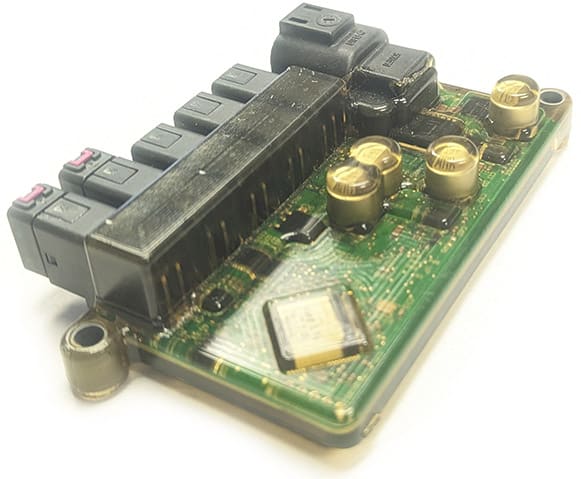

Injection molding is a manufacturing process used to produce plastic and other material components by injecting molten material into a mold cavity. The material cools and solidifies within the mold to form the final product shape. This process enables high-volume production with consistent dimensional accuracy and surface finish quality.
The injection molding process accommodates various thermoplastic and thermosetting materials, including polyethylene, polypropylene, ABS, nylon, and specialized engineering plastics. Manufacturing applications span multiple industries, including automotive components, consumer electronics housings, medical devices, packaging containers, and industrial parts. Key advantages of injection molding include rapid production cycles, typically ranging from seconds to minutes per part, precise dimensional control with tolerances as tight as ±0.005 inches, and the ability to produce complex geometries with undercuts, threads, and intricate surface details.
The process supports high-volume manufacturing runs, making it cost-effective for large-scale production requirements. The injection molding system consists of an injection unit that melts and injects material, a clamping unit that holds the mold closed under pressure, and the mold tooling that defines the part geometry. Process parameters such as injection pressure, temperature, cooling time, and cycle speed are controlled to ensure consistent part quality and dimensional specifications.
Key Takeaways
- Injection molding is a manufacturing process for producing parts by injecting molten material into a mold.
- It offers advantages like high efficiency, repeatability, and the ability to produce complex shapes.
- The process involves melting material, injecting it into a mold, cooling, and ejecting the finished part.
- Quality control ensures precision and consistency through inspection and testing during production.
- Material choice and design considerations are critical for optimizing performance and manufacturability.
The Advantages of Injection Molding
One of the most compelling advantages of injection molding is its efficiency in producing large quantities of parts with minimal waste. When you consider the speed at which molds can be filled and the rapid cooling times involved, it becomes clear why this method is favored for high-volume production runs. The ability to create thousands of identical parts in a short timeframe not only reduces labor costs but also enhances overall productivity.
This efficiency translates into significant cost savings for manufacturers, making injection molding an economically viable option. Another key benefit of injection molding is the design flexibility it offers. You can create complex shapes and intricate details that would be difficult or impossible to achieve with other manufacturing processes.
This capability allows designers to innovate and push the boundaries of product development. Additionally, the variety of materials available for injection molding means that you can select the best option for your specific application, whether it requires durability, flexibility, or resistance to heat and chemicals. This adaptability makes injection molding an attractive choice for a wide range of industries.
The Process of Injection Molding
The injection molding process begins with the creation of a mold, which is typically made from steel or aluminum. This mold is designed to reflect the exact shape and dimensions of the final product. Once the mold is ready, plastic pellets or other materials are fed into a heated barrel where they are melted down into a viscous liquid.
You might find it fascinating that this melting process requires precise temperature control to ensure that the material flows smoothly into the mold. After the material is melted, it is injected into the mold under high pressure. This step is crucial as it ensures that every detail of the mold is filled completely, preventing defects in the final product.
Once the material has cooled and solidified, the mold opens, and the finished part is ejected. This entire cycle can take just a few seconds to a couple of minutes, depending on the complexity and size of the part being produced. As you can see, the efficiency and speed of this process are what make injection molding so appealing for mass production.
Quality Control in Injection Molding
Quality control is an integral part of the injection molding process, ensuring that each product meets stringent standards before it reaches consumers. You may be surprised to learn that quality checks begin even before production starts, with thorough inspections of the molds and materials used. During production, various techniques such as visual inspections, dimensional measurements, and functional tests are employed to ensure that each part adheres to specifications.
In addition to these checks, advanced technologies like automated inspection systems and statistical process control (SPC) are increasingly being utilized in injection molding facilities. These systems can detect anomalies in real-time, allowing for immediate corrective actions to be taken. By implementing rigorous quality control measures, manufacturers can minimize defects and ensure that their products are reliable and safe for use.
This commitment to quality not only enhances customer satisfaction but also strengthens brand reputation in a competitive market.
Design Considerations for Injection Molding
| Metric | Description | Typical Range | Unit |
|---|---|---|---|
| Part Volume | Volume of the molded part | 1 – 500 | cm³ |
| Material Cost | Cost of raw plastic material | 0.5 – 5 | per kg |
| Cycle Time | Time to produce one part | 10 – 60 | seconds |
| Tooling Cost | Cost to create the mold/tool | 1,000 – 50,000 | one-time |
| Order Quantity | Number of parts to be produced | 100 – 100,000 | units |
| Lead Time | Time to deliver the order | 2 – 12 | weeks |
| Labor Cost | Cost of labor per part | 0.1 – 1 | per part |
| Setup Cost | Cost to set up the machine for production | 100 – 1,000 | per run |
When designing a product for injection molding, several key considerations must be taken into account to ensure successful production. One of the primary factors is wall thickness; uniform thickness helps prevent issues such as warping or uneven cooling during the molding process. As you embark on designing your product, think about how variations in thickness can affect both the structural integrity and aesthetic appeal of your final piece.
Another important aspect is draft angles—slight inclines on vertical surfaces that facilitate easier ejection from the mold. Without adequate draft angles, you may encounter difficulties during the demolding process, leading to potential damage to both the part and the mold itself. Additionally, incorporating features like ribs or gussets can enhance strength without significantly increasing material usage.
By paying attention to these design elements, you can optimize your product for injection molding and improve its manufacturability.
Materials Used in Injection Molding
The choice of materials in injection molding plays a crucial role in determining the performance characteristics of the final product. Plastics are by far the most commonly used materials due to their versatility and cost-effectiveness. You might be familiar with popular options such as polypropylene (PP), polystyrene (PS), and acrylonitrile butadiene styrene (ABS), each offering unique properties suited for different applications.
However, plastics are not the only materials suitable for injection molding; metals and ceramics can also be molded using specialized techniques. For instance, metal injection molding (MIM) allows for the production of complex metal parts with high precision. This method combines fine metal powders with binders that are then injected into molds before undergoing sintering to achieve solid metal components.
As you explore material options further, consider how each choice impacts not only functionality but also cost and environmental considerations.
Applications of Injection Molding
Injection molding finds applications across a multitude of industries due to its adaptability and efficiency. In the automotive sector, for example, it is used to produce everything from dashboard components to intricate engine parts. The ability to create lightweight yet durable components helps manufacturers meet stringent fuel efficiency standards while maintaining safety and performance.
In consumer goods, injection molding plays a vital role in producing everyday items such as containers, toys, and household appliances. The process allows for high-volume production at low costs while maintaining consistent quality across batches. Additionally, medical devices benefit significantly from injection molding due to its precision and ability to create complex geometries required for various applications such as syringes and surgical instruments.
As you consider these applications, it becomes evident how integral injection molding is to modern life.
The Future of Injection Molding
Looking ahead, the future of injection molding appears promising as advancements in technology continue to reshape the industry. Innovations such as 3D printing are beginning to complement traditional injection molding processes by enabling rapid prototyping and design iterations before full-scale production begins. This synergy allows designers like you to test concepts more efficiently and refine them based on real-world feedback.
Moreover, sustainability is becoming an increasingly important focus within the injection molding sector. Manufacturers are exploring bio-based plastics and recycling methods to reduce environmental impact while still meeting consumer demands for quality products. As you engage with these emerging trends, consider how they might influence your own projects and contribute to a more sustainable future in manufacturing.
The evolution of injection molding will undoubtedly continue to shape industries for years to come, making it an exciting field to watch as it progresses.
If you’re looking to deepen your understanding of injection molding, you might find the article on the advantages of this manufacturing process particularly insightful. It discusses various benefits such as efficiency, precision, and cost-effectiveness, which are crucial for businesses considering this method. You can read more about it in the article here.
FAQs
What is an injection molding quote?
An injection molding quote is an estimate provided by a manufacturer detailing the cost to produce a specific part or product using the injection molding process. It typically includes expenses related to tooling, materials, labor, and production time.
What information is needed to get an accurate injection molding quote?
To obtain an accurate quote, you generally need to provide detailed part drawings or CAD files, material specifications, desired production volume, part dimensions, tolerances, surface finish requirements, and any special processing needs.
How long does it take to receive an injection molding quote?
The time to receive a quote can vary depending on the complexity of the part and the manufacturer’s workload. Typically, it can take anywhere from a few hours to several days.
What factors influence the cost of injection molding?
Key factors include the complexity and size of the part, type of material used, mold design and construction, production volume, cycle time, and any secondary operations such as finishing or assembly.
Is the injection molding quote binding?
Most quotes are estimates and subject to change based on final design adjustments, material price fluctuations, or changes in production requirements. It is important to clarify with the manufacturer whether the quote is fixed or subject to revision.
Can I get a quote for both prototype and production runs?
Yes, many manufacturers provide quotes for both prototype runs, which are typically smaller and may use different tooling, and full production runs, which require durable molds designed for high-volume manufacturing.
Are there different types of injection molding quotes?
Yes, quotes can be categorized as prototype quotes, low-volume production quotes, or high-volume production quotes, each reflecting different tooling and production considerations.
How can I reduce the cost of my injection molding quote?
Cost reduction strategies include simplifying the part design, selecting cost-effective materials, optimizing part size and wall thickness, minimizing tight tolerances, and increasing production volume to spread tooling costs.
What is included in the tooling cost of an injection molding quote?
Tooling cost covers the design and manufacture of the mold, including machining, polishing, and any mold components necessary to produce the part. This is often a significant portion of the overall quote.
Can I request multiple quotes from different manufacturers?
Yes, it is common practice to request quotes from multiple injection molding suppliers to compare pricing, lead times, and capabilities before selecting a manufacturer.